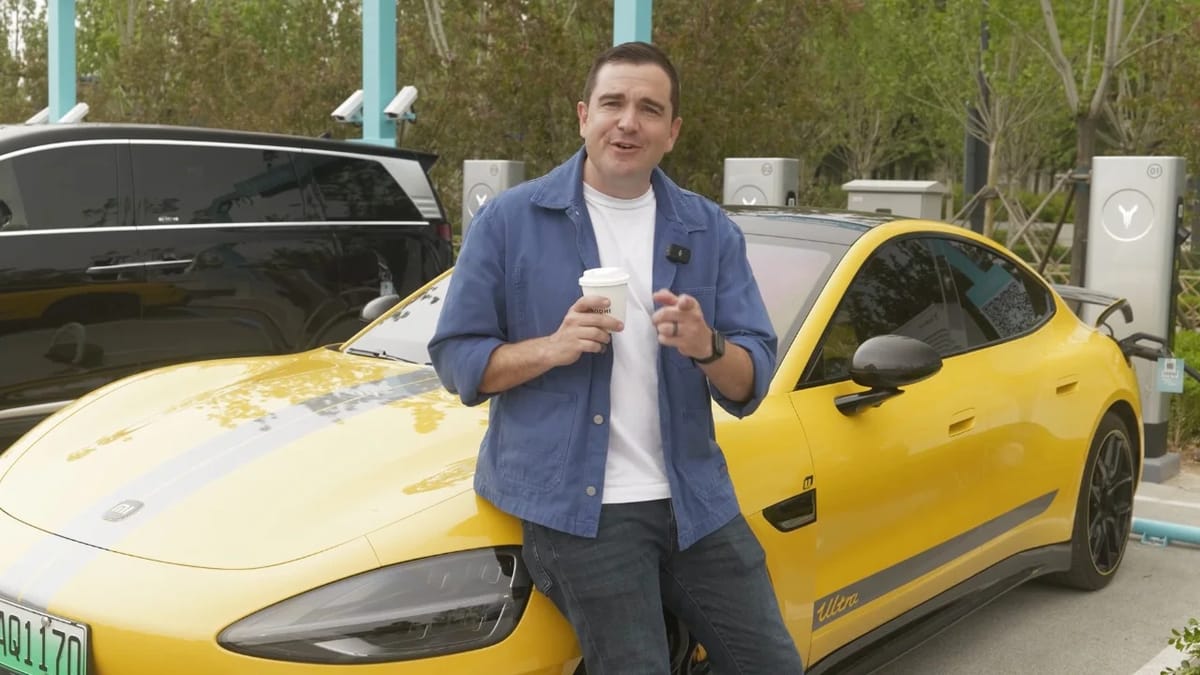
- Next-gen batteries from CATL demonstrate significant advancements in energy density and charging speed, positioning them as a formidable competitor in the global EV market.
- The testing in Beijing revealed extraordinary performance metrics that could redefine consumer expectations for electric vehicles.
- These developments signal a potential shift in the competitive landscape, as CATL's innovations may influence both automotive manufacturers and consumers alike.
The urgency of the electric vehicle (EV) market's evolution is underscored by the recent testing of next-generation batteries developed by CATL in Beijing. As the demand for more efficient, longer-range EVs intensifies, advancements in battery technology are critical. The results from this testing not only highlight CATL's innovative capabilities but also suggest a pivotal moment for the industry, where performance metrics could redefine consumer adoption and manufacturer strategies alike. The implications of these findings extend beyond mere numbers; they could reshape the competitive dynamics of the global EV landscape.
During the tests, CATL's batteries showcased remarkable improvements in both energy density and charging speed, which are crucial factors for consumers considering the transition to electric vehicles. The performance metrics observed were extraordinary, indicating that these batteries could support longer ranges and quicker charging times than many existing options on the market. This leap in technology is not just a minor enhancement; it represents a significant shift that could make electric vehicles more appealing to a broader audience, potentially accelerating the shift away from traditional combustion engines.
The implications of CATL's advancements are profound. As one of the largest battery manufacturers globally, CATL's innovations could set new standards that other manufacturers will need to meet or exceed. This could lead to a ripple effect throughout the automotive industry, prompting competitors to invest heavily in their own battery technologies to keep pace. Furthermore, as consumers become more aware of these advancements, their expectations for EV performance will likely rise, compelling manufacturers to prioritize battery technology in their development strategies.
In conclusion, the extraordinary results from the testing of CATL's next-gen batteries in Beijing not only highlight the company's technological prowess but also signal a potential transformation in the EV market. As these batteries become more widely adopted, they could redefine what consumers expect from electric vehicles, pushing the entire industry toward greater innovation and efficiency. The competitive landscape is poised for significant change, and CATL's advancements may well be the catalyst that drives this evolution forward.