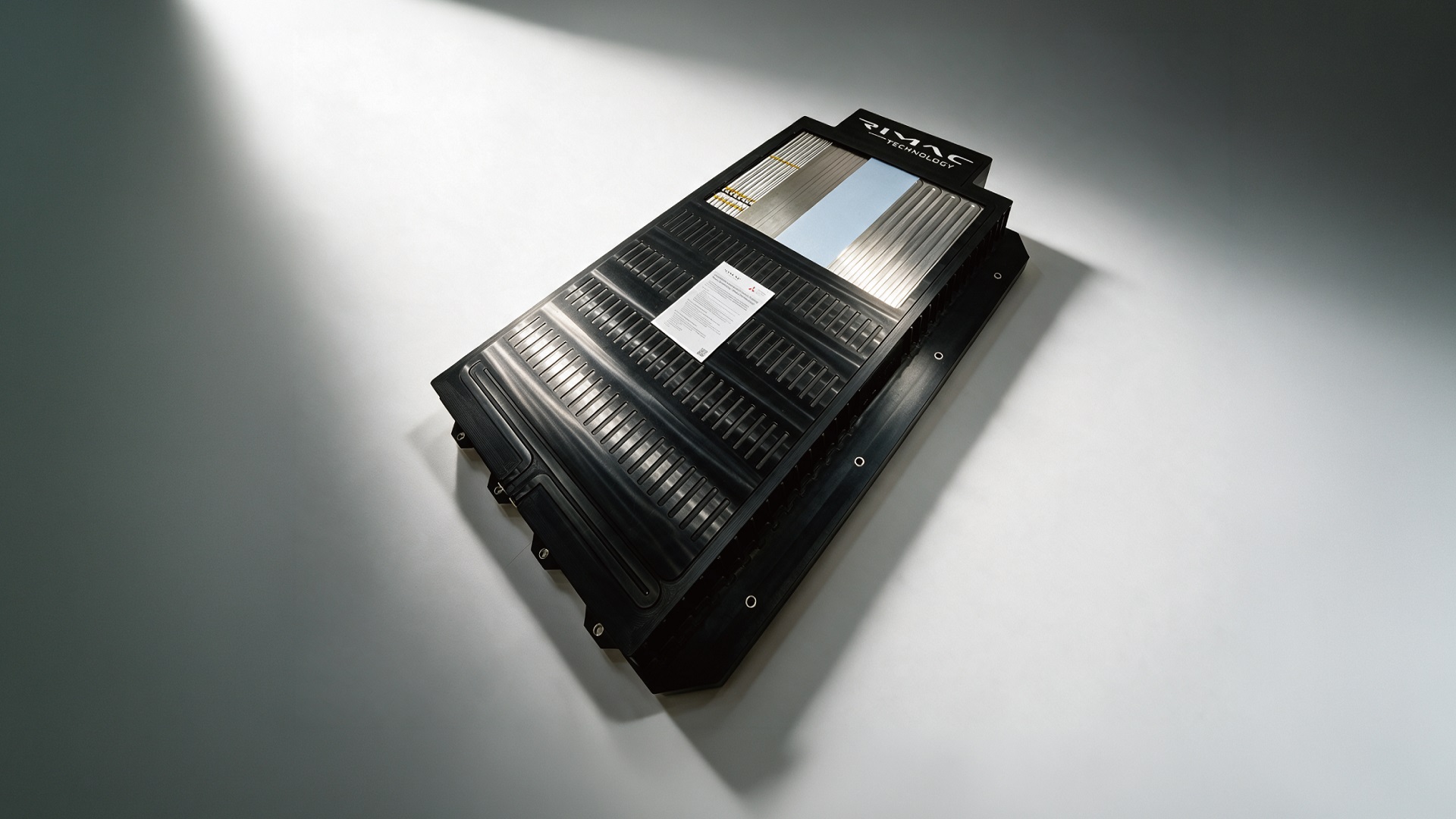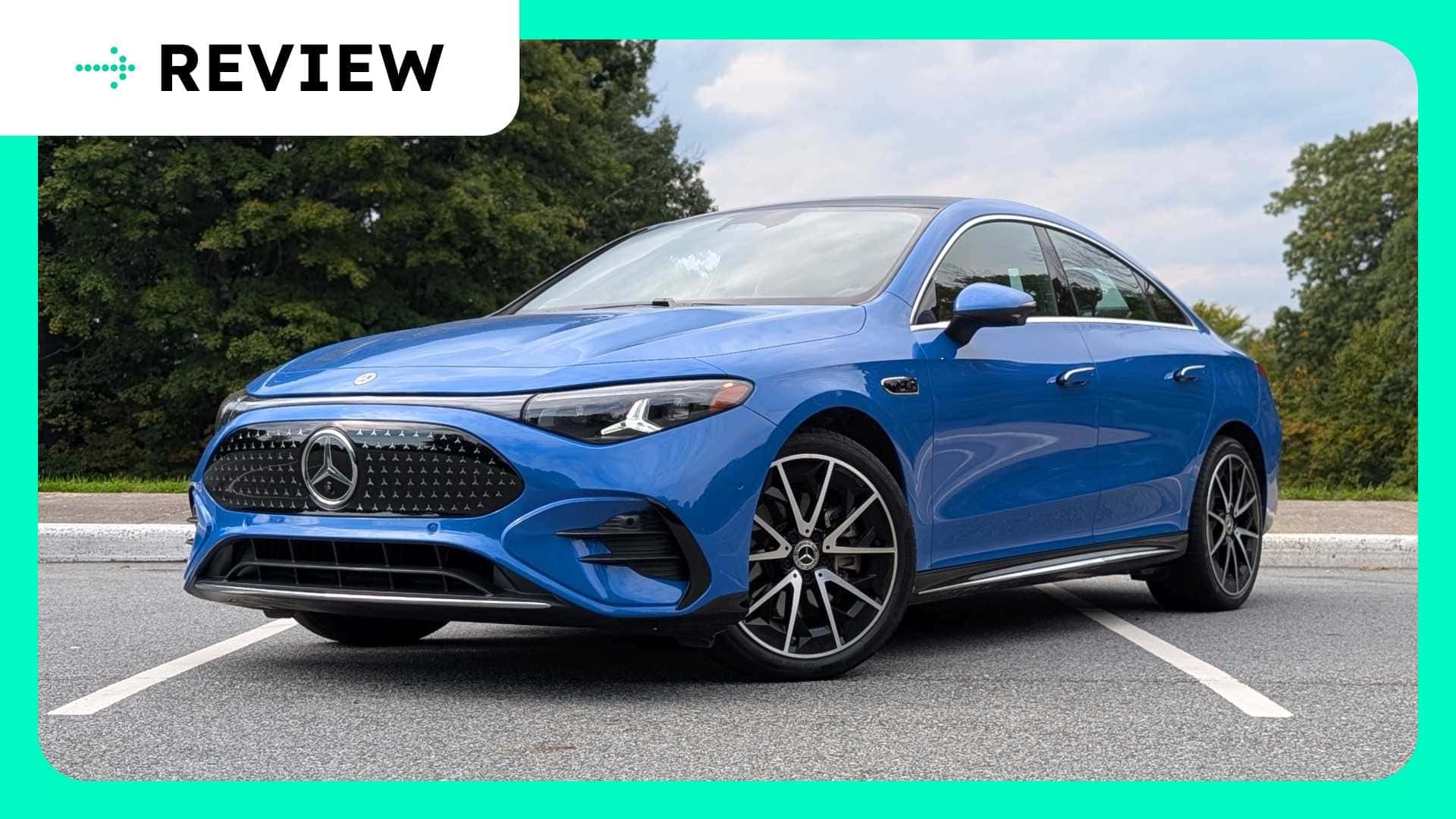
- The introduction of silicon anode batteries in the Mercedes CLA Electric represents a significant leap in EV efficiency and charging capabilities.
- Despite some flaws, the vehicle's performance underscores the potential of advanced battery technology to reshape consumer expectations in the electric vehicle market.
- This innovation positions Mercedes as a leader in the competitive EV landscape, potentially influencing future designs and battery technologies across the industry.
The unveiling of the Mercedes CLA Electric with its silicon anode battery technology is a pivotal moment in the electric vehicle sector, highlighting the urgent need for advancements in battery efficiency and performance. As the automotive industry grapples with the challenges of range anxiety and charging times, this new offering from Mercedes could redefine consumer perceptions and expectations for electric vehicles. The integration of silicon-containing cells not only enhances energy density but also promises faster charging, addressing two of the most critical pain points for EV users today.
The CLA Electric showcases impressive efficiency metrics, which are largely attributed to its innovative battery design. While the vehicle does have some shortcomings, such as interior space and certain technological features, these are overshadowed by the remarkable performance delivered by the new battery technology. The ability to charge rapidly while maintaining a longer range positions this model as a strong contender in the growing EV market, where consumers are increasingly prioritizing both performance and convenience.
This development is not merely a technical achievement; it signals a broader shift in the automotive landscape as manufacturers race to adopt and refine next-generation battery technologies. Mercedes’ commitment to silicon anode batteries could set a new standard, compelling competitors to accelerate their own innovations in battery chemistry and vehicle design. As the industry moves toward more sustainable and efficient solutions, the CLA Electric serves as a benchmark for what is possible when advanced materials and engineering are applied to electric mobility.
Ultimately, the introduction of the CLA Electric with silicon anode batteries is a clear indication that the future of electric vehicles is not just about going electric but doing so with enhanced performance and user experience. As consumers become more discerning and demand higher efficiency, the pressure will mount on all manufacturers to innovate or risk falling behind. This moment could very well mark the beginning of a new era in electric mobility, where the capabilities of EVs are redefined by cutting-edge battery technology.