- Electric vehicle battery technology is diversifying rapidly, driven by the need for improved performance and sustainability.
- New chemistries and manufacturing processes are emerging, indicating a shift towards more efficient and environmentally friendly solutions.
- The future of EV batteries will likely involve a combination of established and novel technologies to meet diverse market demands.
The current landscape of electric vehicle (EV) battery technology is marked by significant diversification, a trend that is crucial as the automotive industry grapples with the dual challenges of performance enhancement and sustainability. This evolution is not merely a response to consumer demand but a necessary adaptation to the growing pressures of environmental regulations and the urgent need for energy efficiency. As the market for EVs expands, the implications of battery technology advancements will resonate across the entire supply chain, influencing everything from raw material sourcing to end-of-life recycling strategies.
Recent developments in battery chemistries are indicative of this shift. Traditional lithium-ion batteries are being complemented by alternatives such as solid-state batteries and lithium-sulfur technologies, which promise higher energy densities and improved safety profiles. These innovations are not just theoretical; they are entering the market, driven by both established manufacturers and agile startups. The emergence of these new technologies suggests that the industry is moving towards a more heterogeneous battery ecosystem, where different applications may require tailored solutions rather than a one-size-fits-all approach.
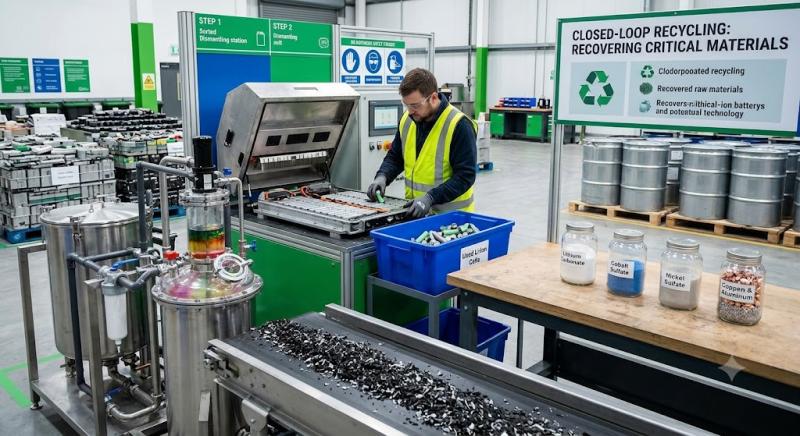
The manufacturing processes are also evolving, with a focus on reducing the carbon footprint associated with battery production. Techniques that minimize waste and enhance recycling capabilities are becoming increasingly important as stakeholders recognize the environmental impact of battery lifecycle management. This shift is not only about compliance with regulations but also about meeting consumer expectations for sustainable products. As automakers and battery producers align their strategies with these values, the entire sector is likely to see a transformation in how batteries are designed, produced, and utilized.
Looking ahead, the future of EV battery technology will likely be characterized by a blend of established and emerging solutions. The integration of various chemistries and manufacturing techniques will enable manufacturers to cater to a wider array of consumer needs, from high-performance sports cars to affordable mass-market vehicles. This diversification will also foster competition, driving innovation and potentially lowering costs for consumers. As the industry continues to evolve, the focus will remain on balancing performance, sustainability, and cost-effectiveness, ensuring that the next generation of EV batteries meets the demands of a rapidly changing automotive landscape.