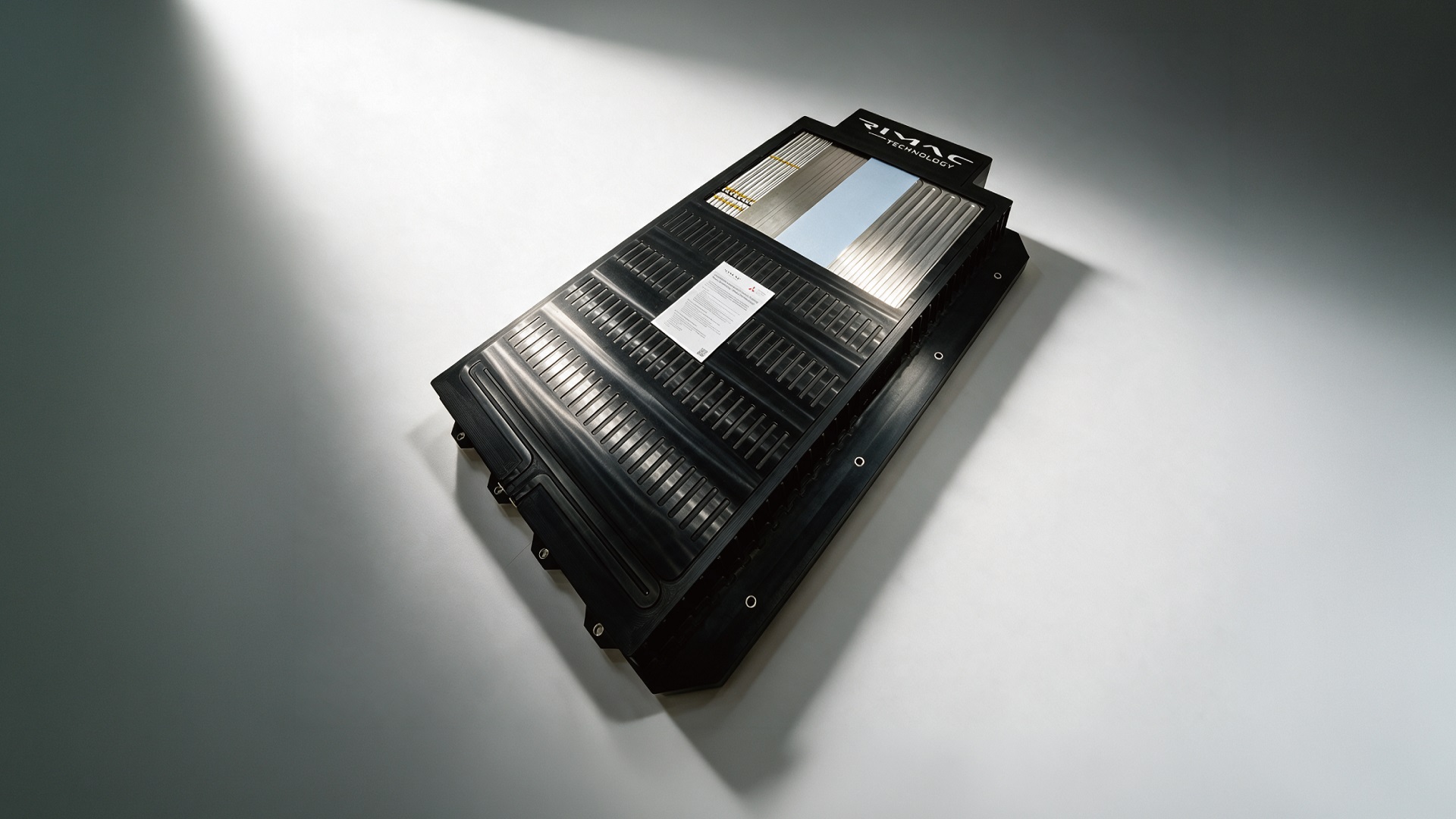
- ProLogium and Rimac Technology have unveiled a new battery pack concept aimed at enhancing electric vehicle performance through faster charging and reduced weight.
- The collaboration signifies a strategic move towards solid-state battery technology, which promises to address key limitations of current lithium-ion batteries.
- This development could accelerate the adoption of electric vehicles by improving efficiency and driving range, crucial factors for consumer acceptance.
The recent announcement by ProLogium and Rimac Technology regarding their next-generation battery pack concept is a pivotal moment for the electric vehicle (EV) industry. As the demand for EVs continues to surge, the need for advancements in battery technology becomes increasingly urgent. Faster charging times and lighter battery packs are not just enhancements; they are essential for overcoming consumer hesitance and achieving broader market penetration. The introduction of this innovative battery design could significantly influence the trajectory of EV adoption, making it a critical development to monitor closely.
The mock-up concept, revealed at an event in Paris, showcases the potential of solid-state battery technology, which is poised to revolutionize the energy storage landscape. Unlike traditional lithium-ion batteries, solid-state batteries utilize a solid electrolyte, which can lead to higher energy densities and improved safety profiles. This shift could mitigate some of the risks associated with lithium-ion batteries, such as thermal runaway and degradation over time. By focusing on these advancements, ProLogium and Rimac are positioning themselves at the forefront of a technological evolution that could redefine performance standards in the EV market.
The collaboration between ProLogium and Rimac is particularly noteworthy, as it combines ProLogium's expertise in solid-state battery development with Rimac's prowess in high-performance automotive engineering. This partnership not only enhances the credibility of the battery technology but also aligns with the growing trend of automakers seeking innovative solutions to improve vehicle efficiency. As the automotive industry grapples with the challenges of range anxiety and charging infrastructure, this new battery technology could provide a much-needed solution, enabling faster charging times that are essential for consumer convenience.
Moreover, the implications of this development extend beyond just technical specifications. By reducing the weight of battery packs, manufacturers can improve the overall efficiency of electric vehicles, potentially leading to longer ranges and better performance. This is particularly critical as consumers increasingly demand vehicles that can compete with traditional combustion engines in terms of usability and convenience. The successful implementation of these advancements could catalyze a shift in consumer perception, making electric vehicles a more attractive option for a broader audience.