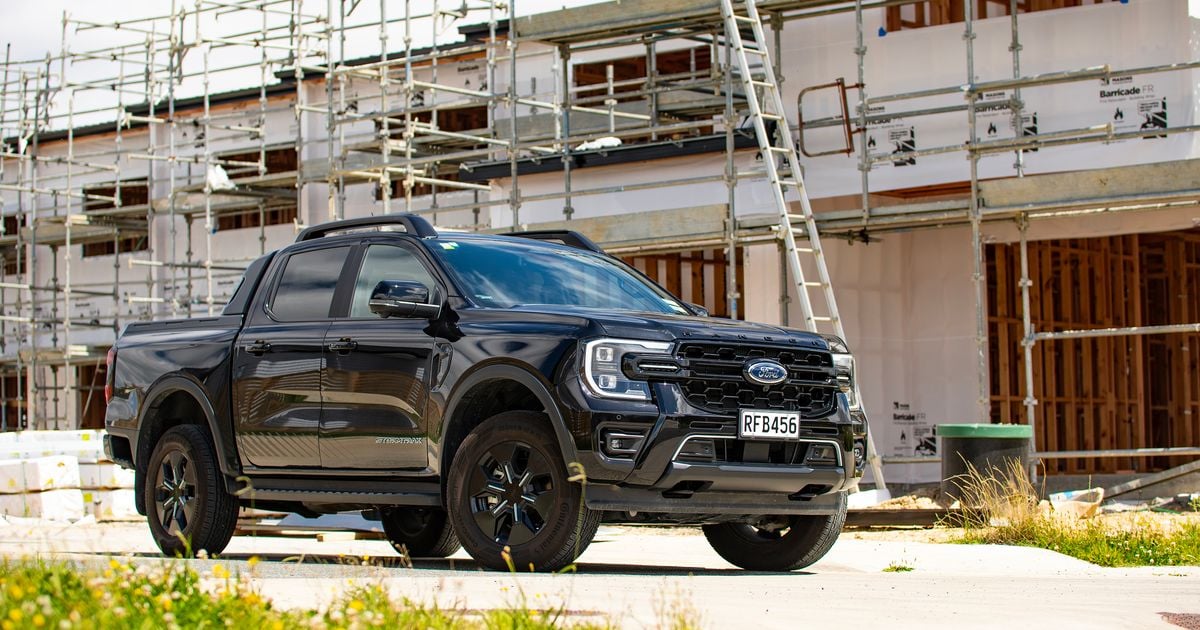
- Ford has decided to postpone the launch of the Ranger EV, citing insufficient battery-electric vehicle technology and inadequate charging infrastructure to meet consumer demands.
- This decision reflects a broader industry challenge where current EV capabilities struggle to align with the expectations of utility vehicle buyers, particularly in markets like Australia.
- The move indicates that automakers must prioritize advancements in battery technology and charging solutions before fully committing to electric versions of popular models.
The postponement of the Ford Ranger EV is a significant moment in the ongoing evolution of electric vehicles, particularly in the utility segment. As the automotive industry pivots towards electrification, the challenges faced by Ford highlight a critical gap between consumer expectations and the current capabilities of battery technology and charging infrastructure. This situation is particularly pressing in markets like Australia, where the demand for robust utility vehicles remains strong, and the infrastructure to support electric alternatives is still developing. The implications of this decision extend beyond Ford, signaling to the industry that a cautious approach may be necessary as automakers navigate the complexities of electrification.
Ford's announcement underscores the reality that while there is a growing interest in electric vehicles, the technology has not yet matured to the point where it can satisfy the specific needs of ute buyers. These consumers typically prioritize range, payload capacity, and durability—attributes that current battery-electric systems struggle to deliver effectively. The decision to hold off on the Ranger EV suggests that Ford is taking a strategic pause to reassess its approach, ensuring that when it does enter the electric utility market, it can offer a product that meets or exceeds customer expectations.
This situation also reflects a broader trend within the automotive sector, where manufacturers are increasingly recognizing the limitations of existing EV technology. The emphasis on battery performance and charging speed is paramount, especially in regions where long-distance travel and heavy-duty applications are common. Ford's choice to delay the Ranger EV launch indicates a commitment to ensuring that its electric offerings are not only competitive but also practical for everyday use. This cautious stance may serve to strengthen consumer trust in the brand, as it prioritizes delivering a reliable product over rushing to market.
Ultimately, Ford's decision to postpone the Ranger EV serves as a reminder of the complexities involved in transitioning to electric vehicles. As the industry continues to innovate, the focus must remain on developing the necessary technology and infrastructure to support a seamless shift to electrification. For now, Ford's strategy reflects a prudent acknowledgment of the current limitations, positioning the company to better align its future offerings with the evolving demands of the market.