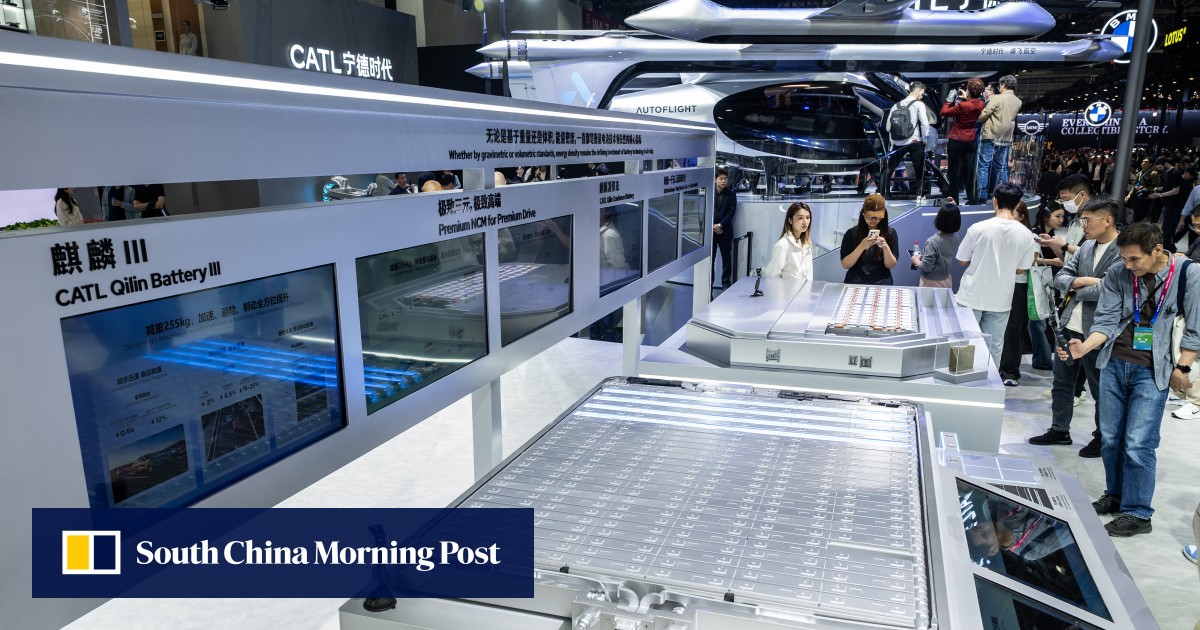
- Falling sales in China's electric vehicle (EV) market are exacerbating the profitability divide between EV manufacturers and battery suppliers.
- As competition intensifies and consumer demand shifts, many EV makers are struggling to maintain margins, while battery suppliers are benefiting from stable demand.
- This widening profit gap could lead to significant market consolidation, as weaker players may be forced out or seek partnerships to survive.
The current landscape of China's electric vehicle market is increasingly precarious, as declining sales figures threaten to widen the profitability gap between manufacturers and their battery suppliers. This situation is critical now, as it not only reflects the immediate challenges faced by EV makers but also signals potential long-term shifts in market dynamics. With consumer preferences evolving and competition intensifying, the financial health of these companies is under scrutiny, raising questions about sustainability and future growth prospects in a sector that was once seen as a beacon of innovation and opportunity.
Recent reports indicate that many EV manufacturers are grappling with reduced sales, which has led to a tightening of profit margins. This downturn is attributed to a combination of factors, including increased competition from both domestic and international players, as well as changing consumer preferences that favor more established brands. In contrast, battery suppliers are experiencing a different reality; they are benefitting from consistent demand for their products, which has allowed them to maintain or even improve their profit margins. This divergence in financial performance underscores the complexities of the supply chain and the varying pressures faced by different segments of the EV ecosystem.
The implications of this widening profit gap are significant. As EV makers struggle to adapt to the shifting market, there is a growing likelihood of consolidation within the industry. Weaker players may find themselves unable to compete effectively, leading to potential mergers or acquisitions as they seek to bolster their market positions. This consolidation could ultimately reshape the competitive landscape, favoring larger, more established manufacturers who can leverage economies of scale and stronger brand recognition. Conversely, smaller players may be forced to innovate rapidly or pivot their business models to survive in an increasingly challenging environment.
Moreover, the evolving dynamics between EV makers and battery suppliers could lead to shifts in strategic partnerships and collaborations. As manufacturers look to secure their supply chains and enhance their competitive edge, they may seek closer ties with battery producers, potentially leading to joint ventures or long-term contracts. This could create a more integrated approach to production and innovation, allowing both parties to better navigate the challenges ahead. Ultimately, the current situation serves as a critical reminder of the interconnected nature of the EV market and the need for all stakeholders to adapt to the changing landscape.