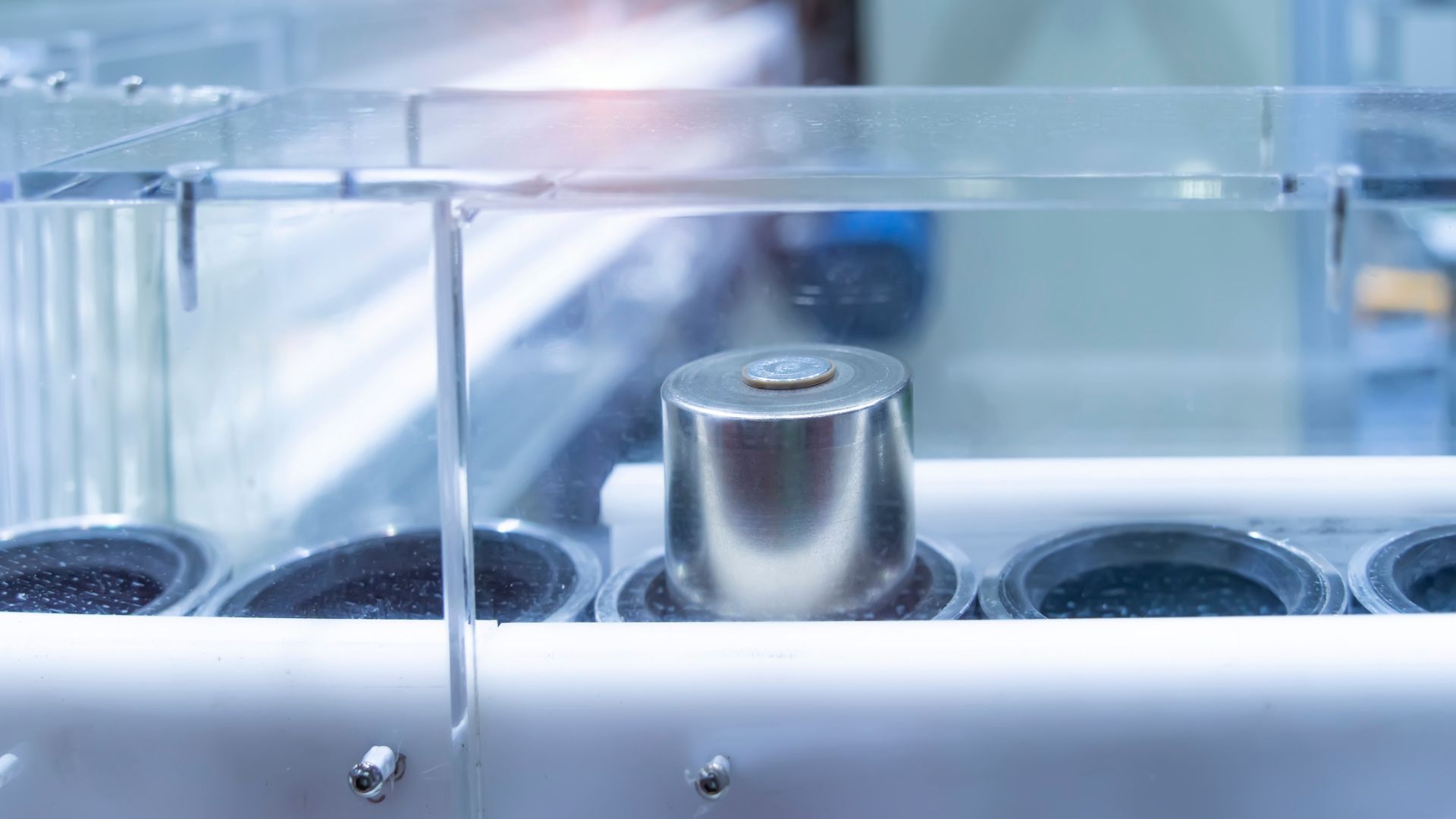
- A breakthrough in solid-state battery technology has demonstrated 500 cycles at ultra-low pressure, indicating significant advancements in performance and longevity.
- This development by KERI addresses critical challenges in scalability and interfacial stability, essential for commercial viability.
- The implications of this innovation could accelerate the transition to electric vehicles, enhancing energy density and safety in battery systems.
The recent achievement in solid-state battery technology is a pivotal moment for the electric vehicle (EV) industry, particularly as it grapples with the dual challenges of performance and safety. The demonstration of 500 cycles at ultra-low pressure not only showcases the potential for enhanced battery longevity but also signals a shift towards more robust and reliable energy storage solutions. As the demand for electric vehicles continues to surge, innovations like these are crucial for meeting consumer expectations and regulatory requirements for sustainability and efficiency.
KERI's advancements specifically tackle two of the most pressing issues in battery technology: scalability and interfacial stability. By successfully moving solid-state batteries from laboratory settings to potential factory production, KERI is paving the way for mass adoption. This transition is vital, as the current limitations of lithium-ion batteries—such as safety concerns and energy density—have hindered the broader acceptance of electric vehicles. The ability to produce solid-state batteries at scale could fundamentally alter the landscape of energy storage, making EVs more appealing to a wider audience.
The implications of this breakthrough extend beyond just technical specifications; they encompass the entire EV ecosystem. As manufacturers look to integrate these solid-state batteries into their vehicles, the potential for increased energy density means that EVs could achieve longer ranges on a single charge. This could alleviate one of the most significant barriers to EV adoption: range anxiety. Furthermore, the enhanced safety profile of solid-state batteries—due to their reduced flammability compared to traditional lithium-ion batteries—could lead to greater consumer confidence in electric vehicles.
Moreover, the successful demonstration of 500 cycles at ultra-low pressure suggests that KERI's technology could lead to lower production costs, making solid-state batteries more economically viable. As production scales up, the cost per kilowatt-hour is likely to decrease, further incentivizing manufacturers to invest in this technology. This economic shift could catalyze a broader transition to electric vehicles, aligning with global sustainability goals and reducing reliance on fossil fuels.
In conclusion, KERI's breakthrough in solid-state battery technology represents a significant leap forward for the electric vehicle industry. By addressing critical challenges in scalability and interfacial stability, this innovation not only enhances battery performance but also positions solid-state batteries as a viable alternative to traditional lithium-ion systems. As the industry moves towards mass production, the potential for improved safety, longer ranges, and reduced costs could redefine the future of electric mobility.