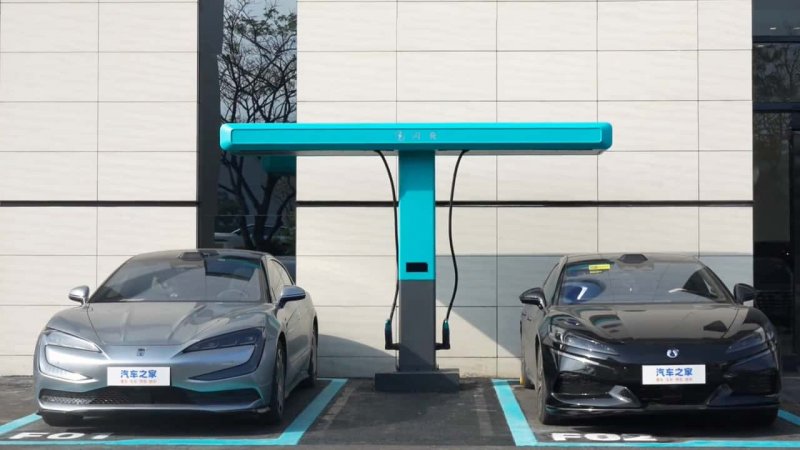
- The recent testing of BYD's 9-minute flash charging technology raises significant concerns about the thermal impact on EV batteries.
- Independent evaluations indicate that battery temperatures can soar to 70 degrees Celsius, potentially compromising battery longevity.
- This scrutiny could influence consumer confidence and regulatory perspectives on ultra-fast charging technologies in the EV market.
The urgency surrounding the safety and longevity of electric vehicle (EV) batteries is underscored by the recent scrutiny of BYD's 9-minute flash charging technology. As the EV market continues to expand, the demand for faster charging solutions grows, making it critical to assess the implications of such rapid charging methods on battery health. The independent testing that revealed battery temperatures reaching 70 degrees Celsius (158 degrees Fahrenheit) has sparked a debate about whether the convenience of ultra-fast charging comes at the cost of battery integrity and lifespan.
The independent blogger's findings have raised alarms within the industry, highlighting a potential risk associated with the extreme thermal conditions that can arise during rapid charging. Elevated temperatures can accelerate chemical reactions within the battery cells, leading to degradation and reduced performance over time. This concern is particularly relevant as manufacturers strive to balance charging speed with the durability of battery systems, which are central to the overall performance and appeal of EVs.
As the conversation around battery safety intensifies, the implications for consumer confidence cannot be overlooked. Potential buyers may hesitate to invest in EVs that utilize technologies perceived as risky, particularly if they believe that rapid charging could lead to premature battery failure. Furthermore, regulatory bodies may feel compelled to examine the safety standards surrounding ultra-fast charging technologies more closely, which could lead to stricter guidelines or even limitations on charging speeds in the future.
The ongoing dialogue about BYD's flash charging technology serves as a crucial reminder of the need for transparency and rigorous testing in the EV sector. As manufacturers innovate to meet consumer demands for speed and convenience, they must also prioritize the long-term health of their battery systems. The outcome of this debate will likely shape not only consumer perceptions but also the strategic direction of EV manufacturers as they navigate the complexities of battery technology and charging infrastructure.