Scotland's Glen Sannox, heralded as the nation's first "green" ferry, embodies a significant shift in maritime transport aimed at reducing environmental impact. Designed as a dual-fuel vessel, it operates on both marine diesel and liquefied natural gas (LNG), promising cleaner air and lower emissions for the crucial routes between the mainland and Arran. However, the ferry's launch has been marred by delays and cost overruns, raising questions about the viability of LNG as a transitional fuel. This situation highlights a broader dilemma in the push for decarbonization within the maritime sector, where the balance between immediate operational needs and long-term sustainability goals remains precarious. The implications extend beyond Scotland, as similar projects worldwide grapple with the complexities of integrating cleaner technologies while maintaining economic feasibility.
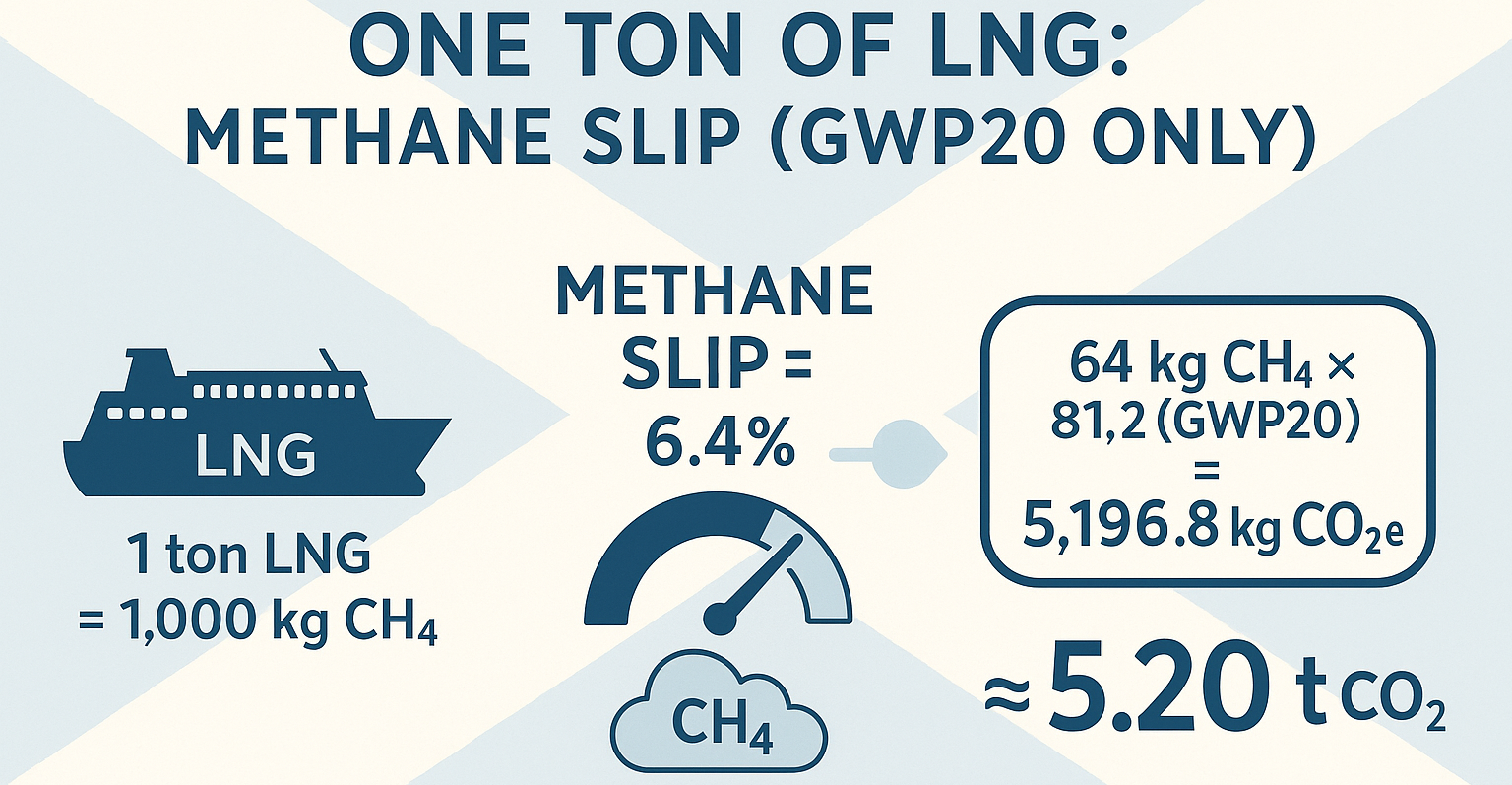
The Glen Sannox's challenges underscore the necessity for a reevaluation of strategies surrounding LNG adoption in maritime transport. While LNG can serve as a bridge towards more sustainable solutions, its role must be critically assessed against the backdrop of climate commitments and technological advancements. The key takeaway is that transitioning to greener alternatives requires not only innovative engineering but also a comprehensive understanding of the environmental trade-offs involved. Stakeholders must prioritize investments in truly sustainable technologies, such as hydrogen or battery-powered vessels, to ensure that the maritime industry does not merely shift its emissions but actively contributes to a net-zero future. The lessons learned from Scotland's experience can inform global efforts to navigate the complexities of maritime decarbonization effectively.