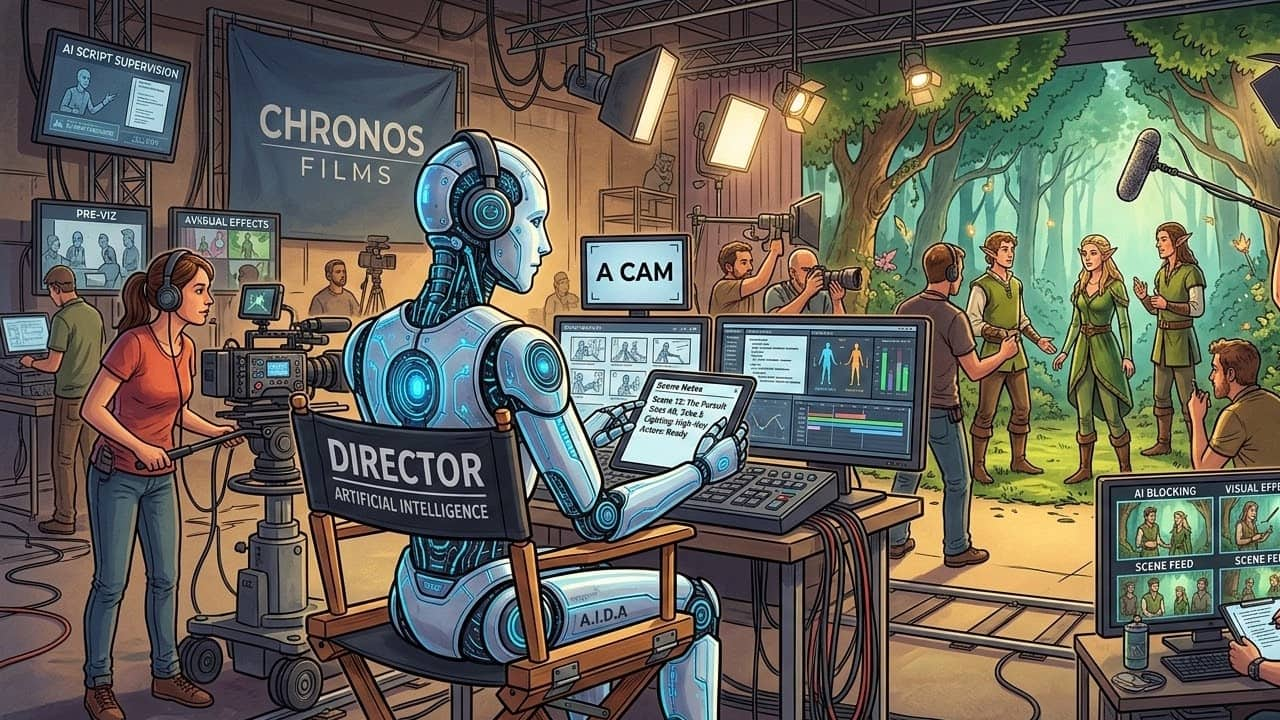
- AI is significantly shortening production timelines and reducing costs in the film industry, transforming traditional filmmaking processes.
- The integration of AI tools is enabling filmmakers to enhance creativity and streamline workflows, leading to innovative storytelling techniques.
- As AI continues to evolve, its role in cinema is expected to expand, potentially reshaping audience experiences and industry standards.
The current landscape of cinema is undergoing a profound transformation, driven by the rapid advancements in artificial intelligence. This shift is not merely a trend; it represents a fundamental change in how films are conceived, produced, and experienced. The urgency of this evolution is underscored by the immediate benefits that AI brings, particularly in terms of reducing both production time and costs. What once required years of meticulous planning and execution can now be accomplished in mere months, allowing filmmakers to respond more swiftly to market demands and creative impulses.
The integration of AI tools into the filmmaking process is revolutionizing traditional workflows. Filmmakers are now leveraging AI for various aspects of production, from scriptwriting to post-production editing. These tools not only enhance creativity but also streamline operations, enabling teams to focus on storytelling rather than getting bogged down by logistical challenges. The ability to analyze vast amounts of data allows filmmakers to make informed decisions about casting, marketing, and distribution, ultimately leading to more successful projects.
Moreover, the implications of AI in cinema extend beyond production efficiencies. As AI technologies continue to develop, they are poised to redefine audience engagement and the overall cinematic experience. For instance, AI can personalize content recommendations, creating a more tailored viewing experience that resonates with individual preferences. This shift could lead to a more interactive form of storytelling, where audiences are not just passive viewers but active participants in the narrative.
As the film industry embraces these technological advancements, it is essential to consider the broader implications for creativity and artistic expression. While AI can enhance certain aspects of filmmaking, there is a critical dialogue to be had about the balance between technology and human creativity. The future of cinema will likely hinge on how effectively filmmakers can harness AI's capabilities while preserving the unique human touch that defines compelling storytelling.