Please note: This article was created as a technical guide for customer use at BigEV.com. While it may be shared externally, its purpose was intended as more of a reference than editorial.
Climate doesn’t care what you believe. Extreme weather events are increasing in frequency and amplitude. For modern life, power is at the center of survival. It moves our water, cooks our food and keeps us safe. If we can't stop these changes, we can at least be prepared. The idea of "prepping" has moved from the fringes to the mainstream due to a convergence of factors that make personal and household resilience increasingly vital. Global events and environmental changes have shown that disruptions can happen to anyone, shifting the focus from apocalyptic scenarios to practical readiness for a range of modern risks.
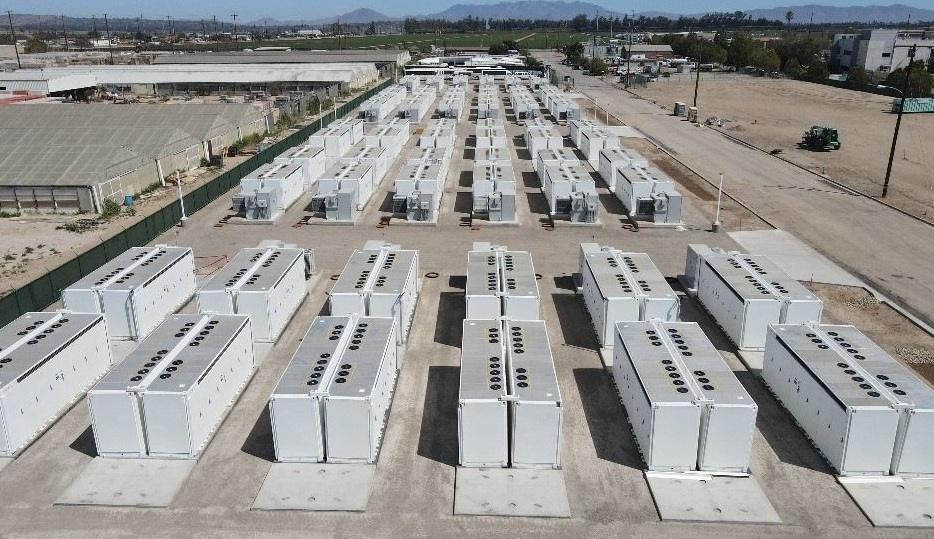
Rising energy demands continue to strain the supply possible from aging power grids electricity supply, homeowners are rethinking their backup power strategies. Modern battery backup systems are rapidly replacing traditional gas-powered generators as the preferred safeguard. With clean operation, whisper-quiet performance, low maintenance needs, and the ability to integrate with solar technology, these systems are redefining what it means to be ready for an outage.

When the power goes out, safety, comfort, and daily routines can grind to a halt. For decades, combustion generators running on gasoline, diesel, or propane have been the go-to solution. But their environmental impact, fuel costs, loud noise, and constant upkeep have left many seeking something better. Backup power in 2025 isn’t just about restoring electricity—it’s about restoring it reliably, quietly, affordably, and sustainably.
Batteries as the smarter solution deliver seamless, emission-free power with smart monitoring and automatic control, ensuring that when the grid fails, your home continues to run smoothly. When paired with rooftop solar, their economic, environmental, and lifestyle advantages extend far beyond what traditional generators can offer.

Lack of indoor fumes — is one of the clearest differences between the two systems. Battery systems operate with zero direct emissions, making them safe indoors and compliant with environmental regulations, while avoiding the hazards of fuel storage and waste disposal. Traditional generators, by contrast, burn fossil fuels and produce CO₂ and carbon monoxide, contributing to pollution and posing health risks.
Noise pollution is nonexistent with batteries, which operate silently at 0 decibels, preserving neighborhood peace and keeping you in compliance with local noise ordinances. Generators typically produce a constant 60–70 decibel hum—the volume of a vacuum cleaner—which can be intrusive during extended outages.
Reliability & Maintenance — Batteries have no moving parts, require minimal annual inspections, and last 10–15 years on average. Generators demand frequent oil changes, filter replacements, and fuel system cleaning, often lasting only 5–10 years.
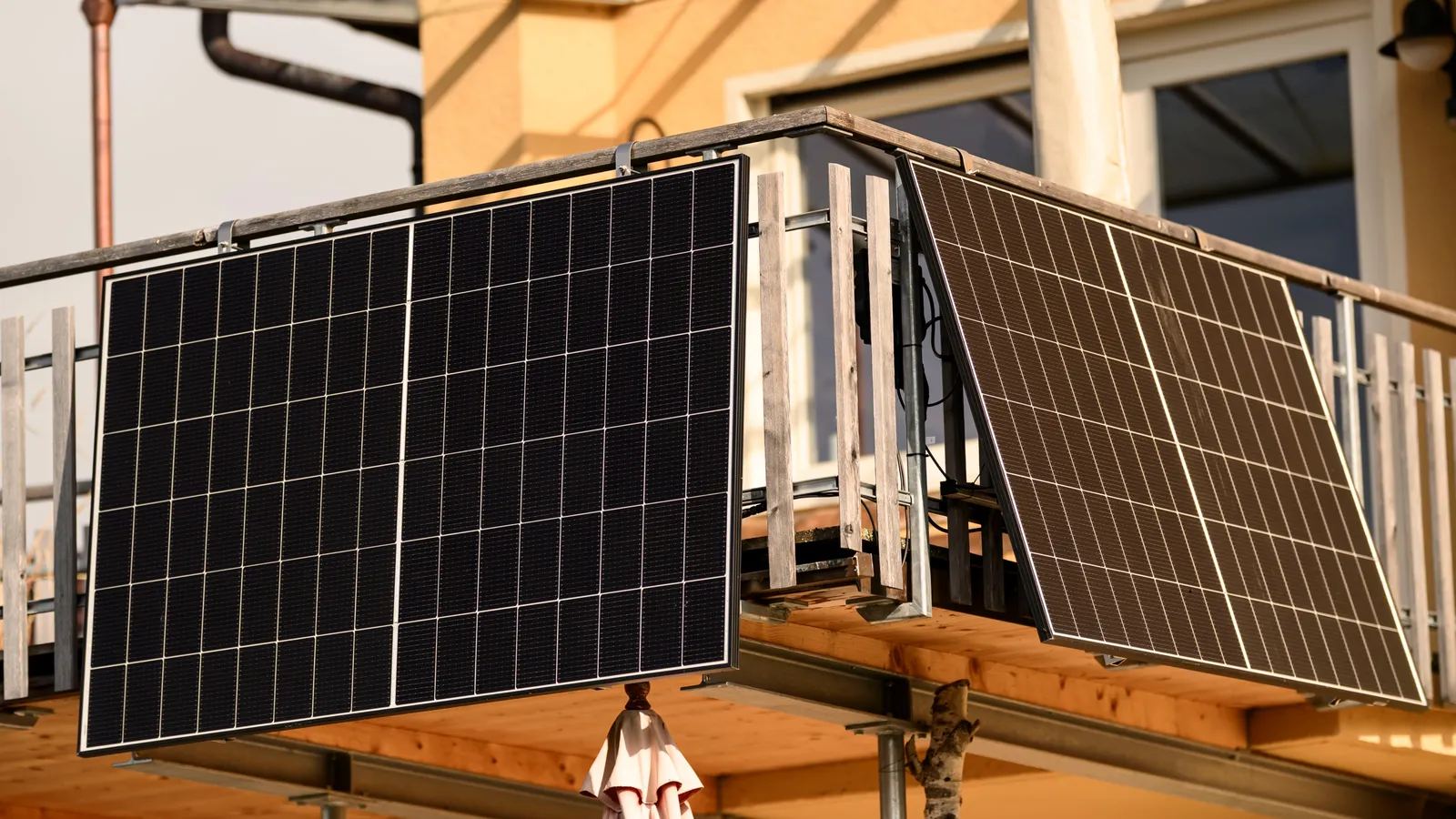
Solar integration —gives batteries the unique ability to recharge during daylight hours—providing long-term independence from the grid. Generators, on the other hand, stop working as soon as fuel runs out, which can be especially problematic during extended emergencies when supply is scarce.
Smart technology in today’s battery systems allows homeowners to monitor usage from a mobile app, automatically shed non-essential loads, track real-time energy consumption, and receive predictive maintenance alerts. Generators offer none of these automation or connectivity advantages.
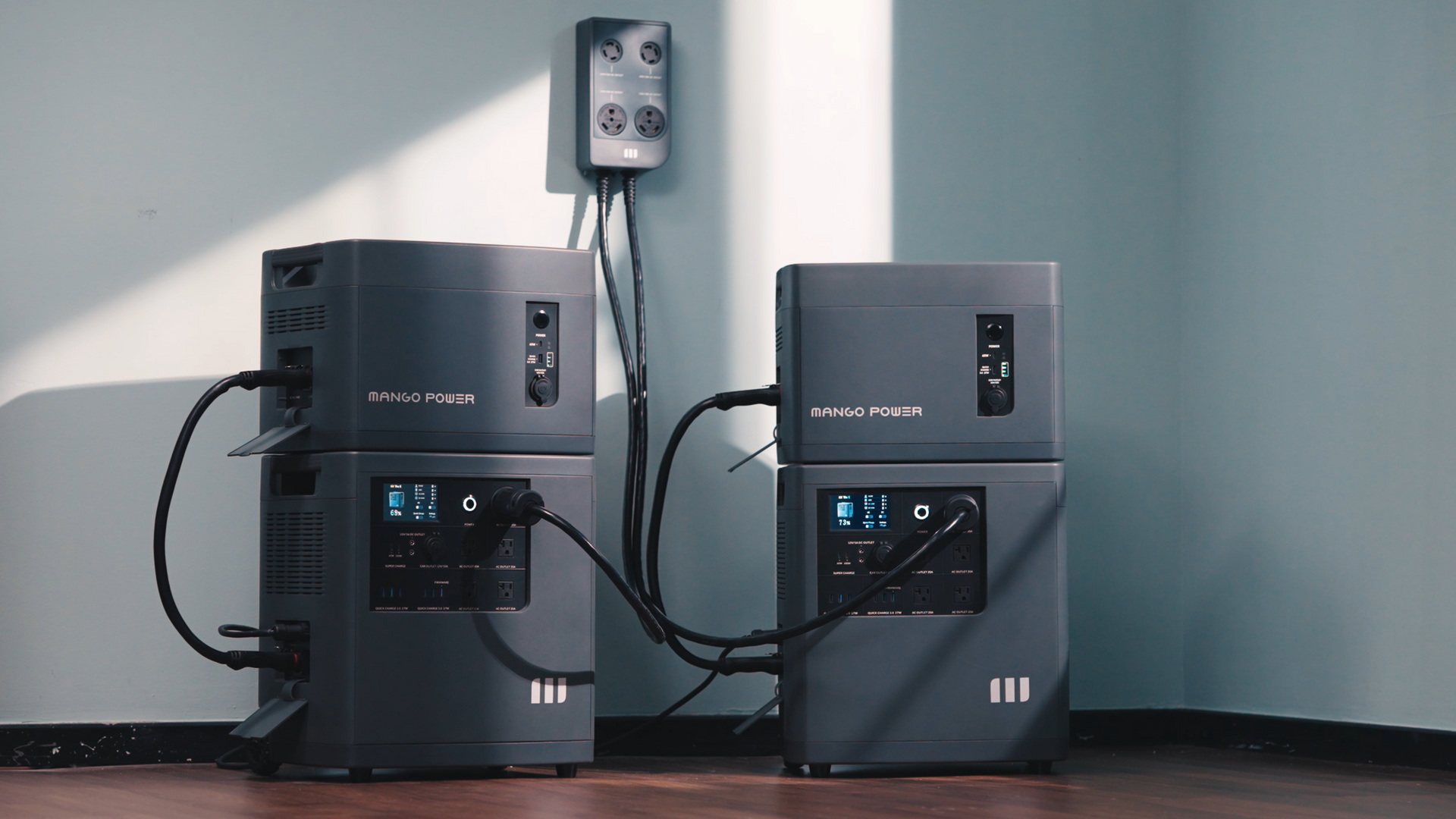
Economic value & cost — comparison shows batteries often cost more upfront but save significantly over time. They cut out fuel costs entirely when paired with solar, require less maintenance, can lower utility bills via peak shaving, qualify for tax incentives, and can even increase home value. By contrast, generators may be cheaper to purchase initially, but over a 10-year period the cost of fuel—often several thousand dollars—and constant service quickly make them more expensive to own.
Safety — favors batteries by a wide margin, as they require no fuel storage, produce no exhaust fumes, and have no hot moving parts, enabling safe indoor installation. Generators carry the inherent risks of fire hazards, fuel leaks, and potentially deadly carbon monoxide buildup.
Feature | Battery Backup Systems | Traditional Generators |
|---|---|---|
Emissions | Zero | High CO₂, CO emissions |
Noise Level | Silent (0db) | Loud (60–70db) |
Maintenance | Annual inspection, <2hr/year | Frequent oil/filter changes |
Solar Integration | Yes | No |
Reliability | High (solid-state) | Lower (mechanical wear) |
Safety | No fumes/fuel | Fumes/fire risk |
Installation | Flexible, quick | More complex |
Lifespan | 10–15 years | 5–10 years |
Operating Cost | Low, no fuel required | High, ongoing fuel required |
Fuel Cost (10 yrs) | $0 (solar) | $1,000s in gasoline/diesel |
Home Value Impact | Positive | Neutral |
As technology improves and costs drop, battery backup systems are poised to make gas generators obsolete for most homes. They provide reliable power without the noise, fumes, or constant trips for fuel—delivering both peace of mind and long-term savings.
Ready to make the switch? Visit bigev.com today to explore a huge variety of battery-powered backup systems—discounted daily—so you can secure your home’s energy future while saving big.