Please note: This article was created as a technical guide for customer use at BigEV.com. While it may be shared externally, its purpose was intended as more of a reference than editorial.
It does matter weather if you blame electric cars, the color blue, or rises in natural disaster, our most fundamental and most important infrastructure - the electrical grid- faces unprecedented challenges from climate unpredictability, aging systems, and exponentially growing demand. The convergence of these forces creates a perfect storm of vulnerability that demands immediate attention and proactive solutions. This analysis examines why power independence has evolved from luxury to necessity, and how innovative energy technologies are democratizing the tools once reserved for the ultra-wealthy elite.
The Fragility of Our Interconnected World
Our modern civilization operates on the premise of interconnected systems that provide convenience, efficiency, and scale. However, this interconnectedness has created a web of dependencies that can cascade into catastrophic failures when stressed beyond capacity. The electrical grid, serving as the nervous system of modern society, exemplifies this vulnerability.
Climate change is fundamentally altering the operating environment for electrical infrastructure. Weather-related events now account for 80% of all power outages, with the average customer experiencing a dramatic increase in outage duration from 109 minutes annually between 2013-2015 to 297 minutes between 2020-2022. This nearly three-fold increase in blackout duration signals a system under stress, struggling to adapt to new environmental realities.
The aging grid infrastructure compounds these challenges significantly. Over 70% of the US electrical grid is more than 25 years old and requires replacement in the coming decades. Some components date back to the 1960s and 1970s, making them increasingly susceptible to failure during extreme weather events. The infrastructure was simply not designed to handle the severity or frequency of climate events we now face regularly.
Geographic variations in grid reliability reveal systemic vulnerabilities. Hurricane Ian left 2.6 million Florida residents without power in 2022, while Hurricane Ida cut power to 1 million Louisiana residents for more than five days. Winter Storm Uri in 2021 affected at least 5 million people from Texas to North Dakota, demonstrating how extreme weather can overwhelm even robust grid systems across vast geographic areas.

Climate Unpredictability Creates Operational Chaos
The fundamental challenge facing grid operators today is that historical weather patterns no longer provide reliable guidance for future planning. Climate change has introduced new variables that stress electrical systems in unprecedented ways, creating operational environments that existing infrastructure cannot handle.
Extreme temperatures create multiple failure modes simultaneously. The 2021 Pacific Northwest heat dome melted power cables as temperatures soared over 40 degrees Celsius, while extreme cold events strain insulation and increase system loads as heating demand spikes. These temperature extremes occur with increasing frequency and intensity, often exceeding design parameters for electrical equipment.
Precipitation patterns are becoming more erratic and destructive. Higher atmospheric moisture content driven by increasing temperatures causes heavy precipitation events, resulting in floods that damage ground-level substations, transformers, and control equipment. Water inundation accelerates equipment aging and creates safety hazards that can persist long after floodwaters recede.
Wind patterns are intensifying beyond historical norms. Climate change increases peak wind intensity and duration of sustained winds, causing tower and conductor damage while creating hazards from falling trees and debris. Coastal areas face additional challenges from rising sea levels and increased storm surge intensity that threaten critical infrastructure.
Electric Vehicle Demands Strain Existing Infrastructure
The rapid adoption of electric vehicles, while environmentally beneficial, creates additional stress on electrical systems that were not designed to handle concentrated high-power charging loads. This transition represents both an opportunity and a challenge for grid stability.
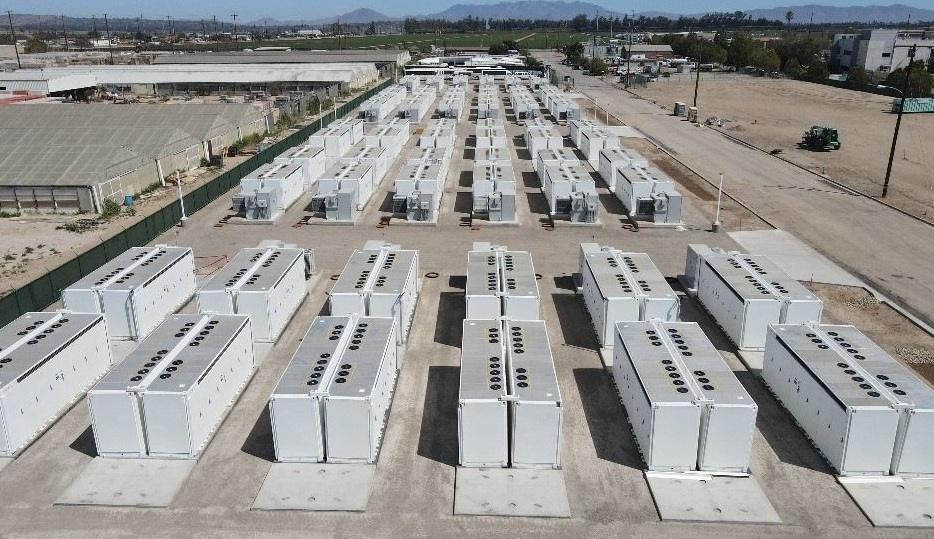
EV charging infrastructure deployment is accelerating rapidly. More than 1.3 million public charging points were added globally in 2024, representing a 30% increase over the previous year. The US alone added over 10.3 GW of new battery storage capacity in 2024, with projections indicating 18.2 GW of utility-scale battery storage additions in 2025.
Distribution grid capacity constraints are becoming apparent. Studies indicate that 67% of electrical feeders in California will need capacity upgrades by 2045 to handle EV charging demand, with a total of 25 GW of additional capacity required. Over 20% of the US requires at least a 10% distribution grid capacity increase before 2050, with six states exceeding 20% capacity expansion needs.
Charging patterns create new peak demand scenarios. Electric vehicles typically charge when people arrive home in the evening, coinciding with traditional peak electricity usage periods. This timing amplifies existing grid stress and requires sophisticated load management strategies to prevent system overloads.

Population Growth Multiplies Infrastructure Stress
Growing populations increase baseline electricity demand while concentrating loads in urban areas that already strain existing infrastructure. This demographic trend creates compounding pressure on electrical systems that struggle to expand capacity at the pace required.
Urban concentration intensifies local grid stress. More than two-thirds of chargers in Europe and the United States are located in urban areas, where population density creates concentrated demand that can overwhelm local distribution systems. European deployment shows over 70% of the population now lives within 1 kilometer of a charging point, while the US, with lower population density, has less than half the population within 1 kilometer of a charger.
Infrastructure expansion cannot keep pace with demand growth. The requirement for 500,000 public chargers in the US by 2030 represents a massive infrastructure challenge that must be coordinated with power grid developments to ensure new connections align with grid capacity. Poor coordination between charging infrastructure and grid expansion creates bottlenecks that compromise system reliability.
Geographic disparities create uneven stress patterns. Rural areas face different challenges than urban centers, with infrastructure expansion costs ranging from $15,000 to $50,000 per mile for grid extension. These costs make centralized grid expansion economically unfeasible in many remote areas, creating opportunities for independent energy solutions.

The Billionaire Bunker: Survival isn’t just for Billionaires
The ultra-wealthy have quietly been investing massive resources in independent energy and survival infrastructure, providing a blueprint for technologies and strategies that are increasingly accessible to broader populations. Their investments reveal both the severity of perceived risks and the viability of solutions.
Massive private investment indicates serious concern about system stability. Mark Zuckerberg's $100 million Hawaiian compound includes a 5,000-square-foot underground bunker with independent power systems, water tanks, and food supplies. This represents less than 0.2% of his net worth, equivalent to a household with $1 million net worth spending just $1,540—suggesting these investments reflect genuine concern rather than frivolous spending.
Advanced security and independence technologies are being refined. Contemporary bunker projects include sophisticated features like water cannons capable of defending against airborne threats, rotating fireplaces for concealed access, and moats filled with flammable liquids that can create defensive fire barriers. These projects cost between $7.5 million and hundreds of millions, demonstrating the premium placed on independence and security.
Geographic diversification strategies reveal risk assessment priorities. Billionaires are purchasing vast land holdings in remote areas: Oprah Winfrey owns over 650,000 square meters in Maui, Larry Ellison purchased almost all of Lanai island, and Frank VanderSloot acquired a 2,000-acre ranch near Zuckerberg's compound. This geographic diversification strategy indicates concerns about localized infrastructure failure and social instability.
Technology filtering down to mass markets accelerates access. The same companies building ultra-luxury bunkers also offer more accessible solutions. Atlas Survival Shelters reports business booming with systems ranging from tens of thousands to millions of dollars, while companies like Vivos offer shared facilities that make high-end survival technology accessible to middle-class families.
Independent Energy Technologies Democratize Resilience
The technological innovations driving elite preparedness are rapidly becoming accessible to ordinary consumers through advancing manufacturing, economies of scale, and competitive markets. This democratization of independence technology represents a fundamental shift in personal and community resilience capabilities.
Off-grid energy storage markets are experiencing explosive growth. The global off-grid energy storage systems market exceeded $4.9 billion in 2023 and is projected to grow at 20.7% annually through 2032. The market is expected to reach $16.58 billion by 2028, driven by investments in battery energy storage systems, growing microgrid adoption, and demand for reliable energy solutions in remote areas.
Microgrid technology is becoming economically viable for diverse applications. The global microgrid market exceeded $22.9 billion in 2024 and is expected to grow at 19.2% annually through 2034. These systems provide localized energy that can operate independently from the main grid, ensuring uninterrupted electricity supply for critical facilities and communities during grid outages.
Battery technology advances dramatically improve performance and affordability. Lithium-ion battery costs have declined by 67% between 2016 and 2019 for fast charging applications, while energy density improvements make systems more compact and powerful. Emerging solid-state batteries promise 375-450 Wh/kg energy density with 18-minute charging capability, while lithium iron phosphate (LFP) batteries offer enhanced safety and longevity at lower costs. Portable power stations now deliver 1,000-3,000Wh capacity in units weighing 20-60 pounds, providing emergency power for homes, RVs, and remote work applications. Integration of artificial intelligence and machine learning technologies optimizes energy storage and delivery, improving system efficiency and predicting maintenance needs.
Current technology landscape demonstrates maturity and reliability. Modern independent energy systems achieve 99.5%+ uptime with 25-year equipment warranties and performance guarantees. Advanced systems feature predictive maintenance using IoT sensors and AI analytics, reducing service requirements by 60% while extending equipment life 15-20%. Standardization across components enables plug-and-play compatibility, reducing installation complexity and costs.
Emerging technologies promise revolutionary capabilities. Solid-state batteries entering pilot production in 2025 offer 2x energy density and 10x faster charging compared to current lithium-ion technology. Perovskite-silicon solar cells demonstrate 30%+ efficiency in laboratory conditions, promising 40% smaller installations for equivalent power generation. Wireless power transmission systems enable 85% efficiency over 10-meter distances, revolutionizing vehicle charging and portable applications.
Integration platforms optimize performance across technologies. Advanced energy management systems using machine learning algorithms optimize power generation, storage, and consumption patterns, improving system efficiency by 25-35%. Cloud-based monitoring platforms provide remote diagnostics and performance optimization for thousands of installations simultaneously, reducing operational costs and maximizing energy production.
Manufacturing automation drives continued cost reductions. Fully automated battery production lines reduce manufacturing costs by 40% while improving quality and consistency. 3D printing technology enables rapid prototyping and customization of system components, reducing development time from years to months. Modular manufacturing approaches allow mass production of standardized components with field customization for specific applications.
Transportation Electrification Demands Independent Charging Solutions
The transition to electric transportation creates opportunities for energy independence while highlighting vulnerabilities in centralized charging infrastructure. Independent charging capabilities become essential for reliable transportation access during grid disruptions.
Electric vehicle adoption is accelerating globally. EVs now represent a significant portion of new vehicle sales in leading markets, with charging infrastructure expanding rapidly to support adoption. However, this expansion depends heavily on grid reliability and capacity, creating vulnerability during outages or system stress.
Distributed charging infrastructure improves resilience. Independent charging systems reduce dependence on centralized infrastructure while providing backup capabilities during emergencies. Solar-powered charging stations with battery storage can operate independently of the grid, ensuring transportation access even during extended outages.
Vehicle-to-grid technology enables mobile energy storage. Electric vehicles equipped with bidirectional charging capabilities can serve as mobile energy storage systems, providing power to homes or facilities during outages. This technology transforms vehicles from energy consumers into distributed energy resources.
Commercial and industrial applications drive innovation. Businesses investing in independent charging infrastructure improve operational resilience while reducing energy costs through demand management and peak shaving. These commercial installations demonstrate the economic viability of independent energy systems at scale.
Sector-Specific Applications Drive Innovation and Adoption
Marine and Offshore Applications Lead Technology Development
High-performance marine systems operate in the harshest environments. Modern electric yachts and workboats integrate 500kWh+ battery systems with solar canopies and wind generators, achieving 8-12 hour autonomous operation. Offshore platforms utilize 1-5MW hybrid systems combining wind, solar, and fuel cells to reduce diesel consumption by 60-80%. Advanced marine batteries feature IP67 waterproof ratings, corrosion-resistant housings, and thermal management systems that operate in -20°C to +60°C conditions.
Commercial fishing and cargo vessels demonstrate economic viability. Electric fishing boats reduce operational costs by $50-100 per day through eliminated fuel consumption, while electric cargo vessels achieve 40% cost reduction on short-haul routes. Modular battery systems enable quick swapping for continuous operation, while regenerative systems capture energy during braking and descent operations.
RV and Mobile Living Transform Recreation and Lifestyle
Modern RV energy systems enable indefinite off-grid living. Advanced RV installations feature 800-1,600Wh lithium battery banks, 600-1,200W solar arrays, and 3,000W inverters providing full household power capabilities. Smart energy management systems automatically balance loads, optimize charging, and provide real-time consumption monitoring through smartphone apps.
Mobile professionals leverage RV independence for remote work. Digital nomads and remote workers utilize RV-based offices with Starlink satellite internet, climate control, and full computing capabilities powered entirely by independent energy systems. These mobile offices reduce housing costs by 60-80% while providing location flexibility and energy independence.
Commercial and Industrial Applications Scale Economic Benefits
Data centers implement microgrids for critical infrastructure protection. Edge computing facilities utilize 1-10MW microgrid systems with 4-8 hour battery backup, solar canopies, and fuel cells to maintain 99.99% uptime during grid outages. These systems reduce energy costs by 20-30% through peak shaving and demand response participation while improving reliability.
Manufacturing facilities achieve energy security and cost reduction. Industrial microgrids with 5-50MW capacity integrate solar, wind, and battery storage to provide 24/7 independent operation capability. Peak demand reduction strategies save $200,000-2,000,000 annually in demand charges, while backup power prevents production losses during outages.
Defense and Emergency Response Applications Prove Mission-Critical Reliability
Military forward operating bases utilize tactical microgrids. Deployable energy systems provide 100kW-1MW power with rapid setup capability, featuring ruggedized components, silent operation modes, and cybersecurity protection. Solar-battery-fuel cell hybrid systems reduce logistics requirements by 70% while improving operational security through reduced generator noise and heat signatures.
Emergency response teams deploy portable power solutions. Mobile command centers feature 50-200kWh battery systems with solar charging, providing 48-72 hour autonomous operation for communications, lighting, and medical equipment. Rapid deployment systems can be operational within 30 minutes and scaled from single-vehicle to community-level support.
Detailed Cost-Benefit Analysis and ROI Calculations
Residential Energy Independence Economics
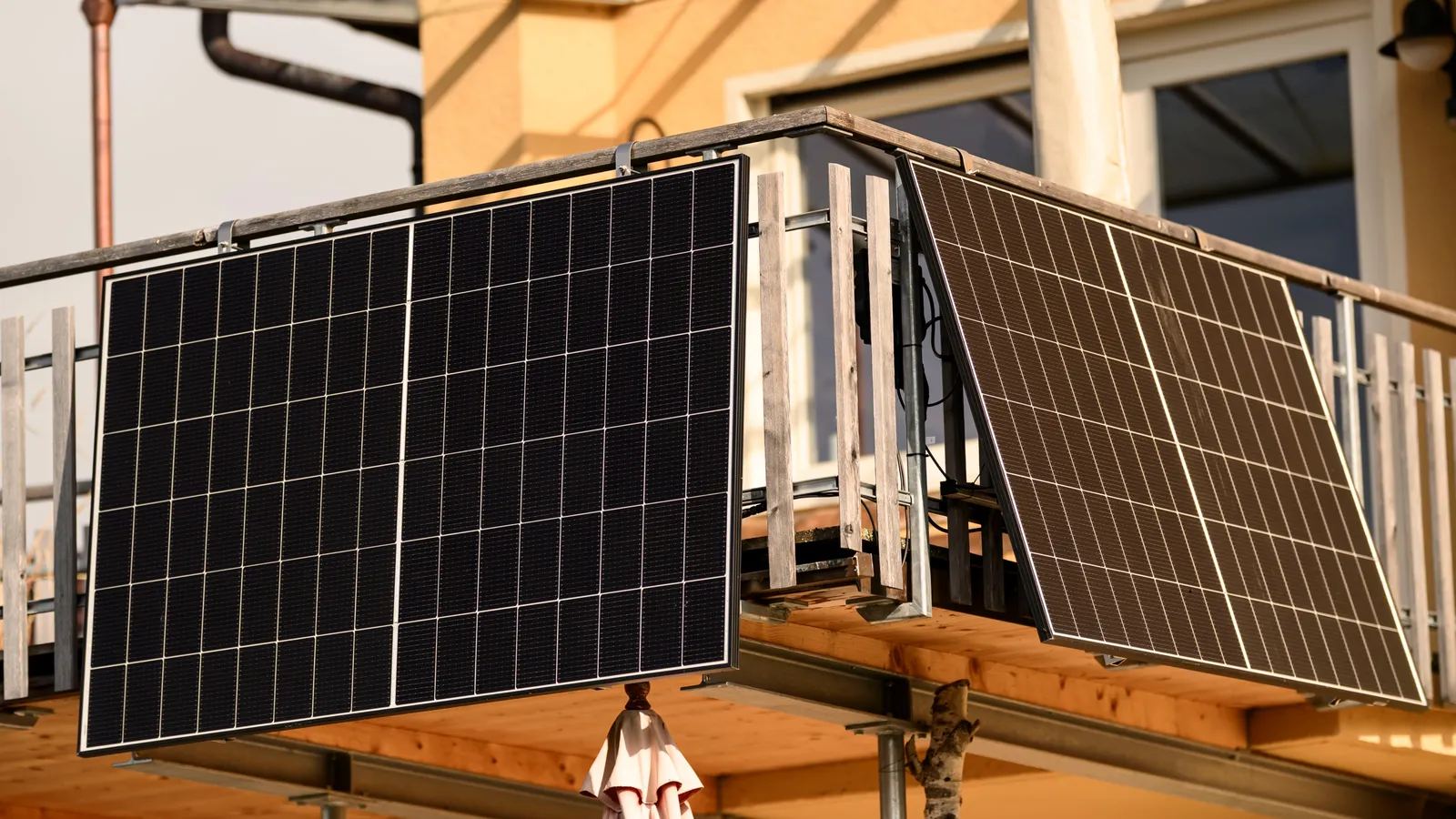
Comprehensive home energy systems deliver compelling returns. A typical 10kW solar system with 20kWh battery storage costs $35,000-45,000 before incentives, or $24,500-31,500 after the 30% federal tax credit. Annual savings of $1,800-3,600 create payback periods of 7-12 years, with 25-year net savings of $25,000-60,000 depending on local electricity rates and usage patterns.
Backup power value calculations reveal hidden benefits. Emergency power capability prevents food spoilage ($500-1,500 per outage), maintains home security systems, enables remote work continuation ($200-500 per day), and prevents HVAC system damage during extreme weather. These avoided costs add $2,000-5,000 annual value beyond direct energy savings.
Property value appreciation provides additional returns. Energy-independent homes command 4-6% premium pricing in most markets, adding $15,000-40,000 value to median-priced homes. Solar-equipped homes sell 20% faster than conventional properties, while energy independence features attract premium buyers seeking resilience and sustainability.
Commercial and Industrial ROI Analysis
Peak demand reduction generates substantial savings. Commercial facilities with 100kW-1MW peak loads save $50,000-500,000 annually through demand charge reduction strategies using battery storage. Time-of-use optimization adds 20-40% additional savings by shifting consumption from peak to off-peak periods.
Operational continuity value exceeds energy savings. Manufacturing facilities avoid $10,000-100,000 per hour production losses during outages through backup power systems. Data centers prevent $50,000-500,000 per hour downtime costs, while retail operations maintain sales during grid failures that close competitors.
Tax incentives accelerate commercial adoption. The federal Investment Tax Credit (30% through 2025), Modified Accelerated Cost Recovery System (MACRS) depreciation, and state/local incentives reduce effective system costs by 40-60%. Combined with energy savings and operational benefits, commercial systems achieve 3-7 year payback periods.
Total Cost of Ownership Comparison
Grid-dependent vs. independent system lifecycle costs:
Grid-Dependent (20-year projection):
- Electricity costs: $45,000-90,000 (3% annual increases)
- Outage losses: $5,000-25,000 (food, productivity, equipment)
- Generator fuel/maintenance: $3,000-8,000
- Total: $53,000-123,000
Energy-Independent System:
- Initial investment: $24,500-31,500 (after incentives)
- Maintenance costs: $2,000-4,000
- Equipment replacement (inverters): $3,000-5,000
- Total: $29,500-40,500
Net 20-year savings: $23,500-82,500

Future-Proofing Through Distributed Resilience
The path forward requires a fundamental shift from centralized, vulnerable systems to distributed, resilient networks that can adapt to changing conditions while maintaining reliable service. This transition represents both a technological and social evolution toward greater independence and security.
Distributed energy networks improve overall system resilience. Networks of independent systems connected through intelligent controls can share resources and support each other during stress events while maintaining the ability to operate independently when needed. This architecture provides the best of both centralized efficiency and distributed resilience.
Community-scale solutions optimize resource sharing. Neighborhood microgrids and community energy storage systems provide middle-ground solutions between individual independence and grid dependence. These systems achieve economies of scale while maintaining local control and resilience.
Technology integration accelerates capability advancement. The convergence of renewable generation, energy storage, electric transportation, and intelligent controls creates synergistic capabilities that exceed the sum of individual components. Integrated systems provide comprehensive solutions for energy independence across all applications.
Market dynamics support sustainable growth. Growing demand for energy independence solutions drives competition and innovation that improves performance while reducing costs. This positive feedback loop accelerates technology advancement and market adoption.
Skip to the end: Preparing for an Independent Future
Power controls more than lights, controls the flow of water, air, communication, hospital, equipment, gas pumps, sewage, it cooks our food cleans our clothes, keeps us safe and alive. The evidence is overwhelming: our centralized, aging electrical infrastructure cannot reliably support the demands of modern life in an era of climate unpredictability and growing consumption. The ultra-wealthy have recognized this reality and invested heavily in independent systems, but the same technologies are now accessible to everyone through advancing markets and falling costs.
Energy independence is no longer about preparing for unlikely disasters—it's about adapting to new realities of grid unreliability, extreme weather, and growing energy demands. The question is not whether these challenges will affect you, but when, and whether you'll be prepared.
The technology exists today to achieve meaningful energy independence across transportation, residential, commercial, and specialized applications. Modern systems provide 99.5%+ reliability with 25-year warranties, while costs have decreased 67% since 2016. Implementation roadmaps guide users from basic emergency preparedness ($2,000-8,000) through complete independence ($35,000-55,000), with payback periods of 7-12 years and lifetime savings of $25,000-60,000. Even without the cost savings protecting your family from the potentials of disaster is invaluable.
At BigEV.com, we believe that distributed, independent energy systems represent the future of reliable power. Join the energy independence revolution at BigEV.com—where innovation meets implementation, and preparedness meets progress.