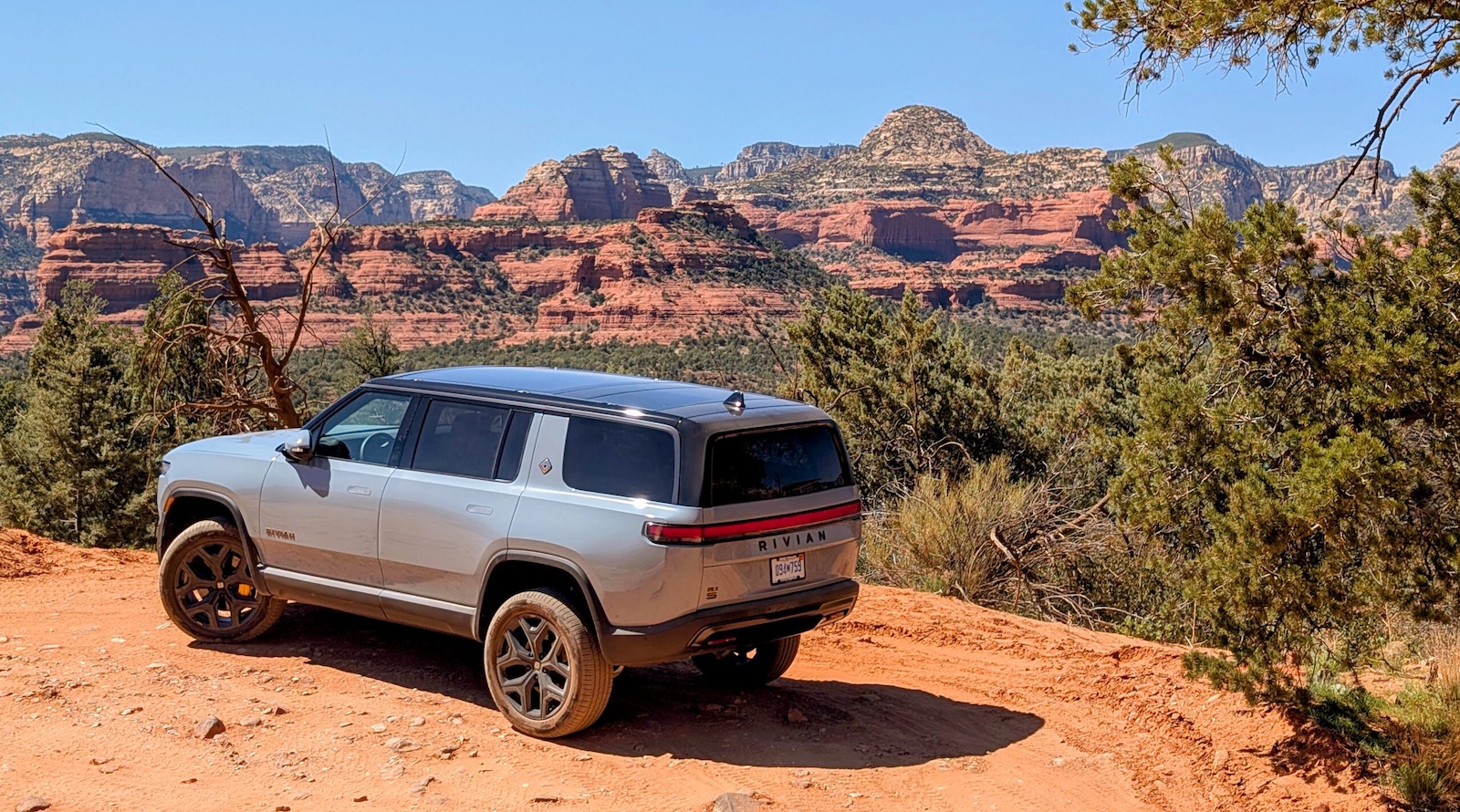
Rivian's recent sales figures reveal a 31.8% increase in the third quarter, with 13,201 vehicles delivered and 10,720 produced. While this growth is notable, it pales in comparison to the performance of other automotive brands, raising questions about Rivian's competitive positioning in a rapidly evolving market. The company’s ability to meet its production targets is commendable, yet the modest sales increase highlights a potential stagnation that could hinder its long-term viability. This situation underscores the challenges Rivian faces as it navigates a landscape increasingly dominated by established players and emerging electric vehicle manufacturers.
In light of these developments, Rivian has revised its 2025 guidance downward, signaling a need for recalibration in its strategic outlook. The implications of this adjustment are significant; it suggests that Rivian may be grappling with production constraints, market demand fluctuations, or both. For stakeholders, this calls for a reassessment of expectations regarding Rivian's growth trajectory and market share. As the electric vehicle sector becomes more competitive, Rivian's ability to innovate and adapt will be crucial in determining its future success and sustainability in the industry.