- Peripheral motion systems are essential for enhancing robotic capabilities, particularly in complex tasks like assembly and material handling.
- Seventh-axis systems, or robot-transfer units (RTUs), are critical for precision tasks but pose significant engineering challenges in synchronization and linear motion maintenance.
- Conveyor-robot integration is increasingly vital in smaller operations, where automation is often developed in-house, necessitating sophisticated software solutions for seamless operation.
The integration of peripheral motion systems with robotics is becoming increasingly crucial as industries seek to optimize efficiency and precision in their operations. As automation technologies evolve, the complexity of tasks that robots are expected to perform is also increasing, necessitating sophisticated support systems that can enhance their capabilities. This is particularly relevant in environments where robots are tasked with intricate operations, such as assembly or material handling, where the coordination of multiple components is essential for success.
Recent advancements in peripheral motion systems highlight the importance of seventh-axis systems, also known as robot-transfer units (RTUs). These systems allow for extended reach and enhanced functionality of robotic arms, enabling them to perform high-precision tasks across various applications. While pre-engineered RTUs are available, many original equipment manufacturers (OEMs) opt for custom solutions that require specialized integration expertise. The challenges associated with programming these systems to synchronize with robotic movements and maintaining accurate linear motion over extended distances underscore the complexity of modern automation solutions.
Another significant development in this space is the emergence of automated part-feeding systems, such as PBC Linear’s Applied Cobotics feeder. This technology not only streamlines the process of staging parts for CNC machines but also demonstrates the potential for substantial cost savings—evidenced by Card-Monroe's reported 78% reduction in labor costs through automation. Such systems are particularly beneficial in environments with complex assembly requirements, where the efficiency of part handling can directly impact overall productivity.
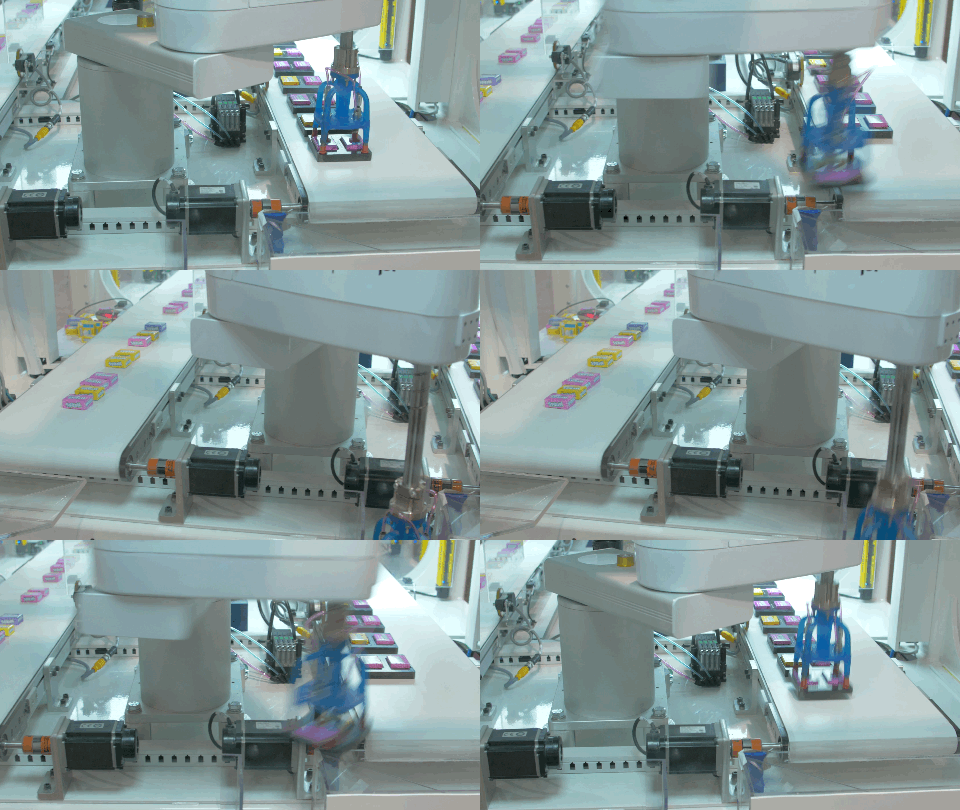
Conveyor systems represent a particularly challenging area of integration due to their variable speeds and workpiece positions. The integration process typically begins with robotic manufacturers providing the necessary software for installation and programming, which OEMs can then leverage to build out their workcells. The ability to configure and control conveyors through robot software plug-ins facilitates a more cohesive operation, allowing for synchronized movements that enhance overall efficiency. As the demand for precision increases, particularly in sectors like automotive and electronics manufacturing, the adoption of advanced conveyor technologies, such as servo-driven systems and pallet-fixture conveyors, is likely to rise, further driving the need for sophisticated robotic integrations.