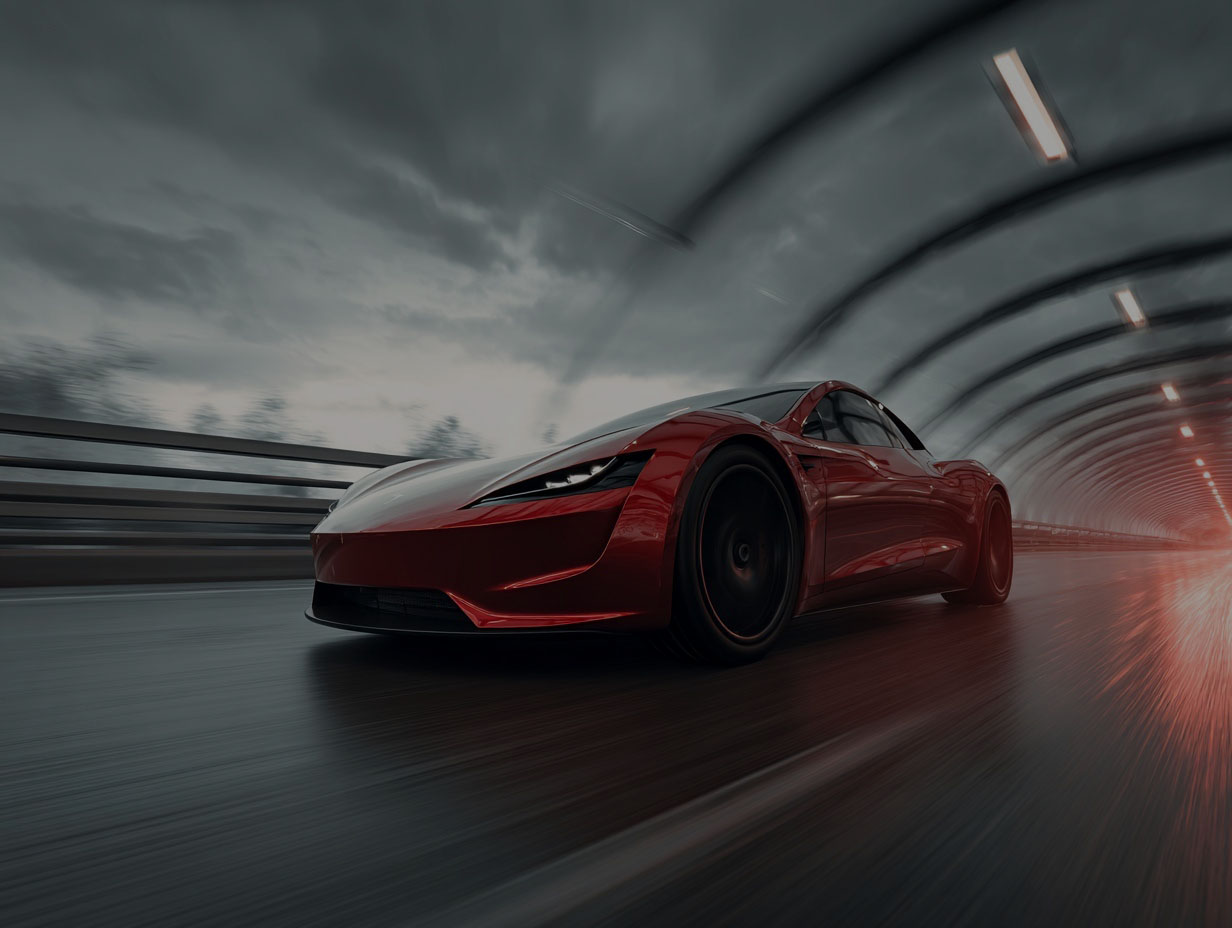
A wave of positive developments—from U.S. incentive extensions to global battery breakthroughs—signals robust momentum in the electric vehicle sector.
At a glance – The past 24 hours have seen a decisive upswing in the global electric vehicle (EV) market, with automakers reporting record sales, governments and manufacturers extending critical incentives, and new product launches capturing consumer interest. Stellantis, in particular, has extended its $7,500 EV credit for eligible models through 2025, despite the official expiration of the U.S. federal tax credit. This move comes on the heels of a standout quarter for the company, which posted a 6% year-over-year sales increase in Q3 2025, reaching 324,825 units. Jeep’s Wrangler 4xe continues to dominate as the nation’s best-selling plug-in hybrid, while the all-electric Jeep Wagoneer S has surpassed 10,000 deliveries for the year. These developments underscore a broader trend of surging demand and strategic adaptation among legacy automakers, even as the U.S. incentive landscape shifts.
Technology advance – In battery innovation, QuantumScape has emerged as a focal point for investors and industry watchers, thanks to its progress in developing solid-state lithium-metal batteries for EVs. The company’s recent technical milestones have positioned it as a leader in next-generation battery technology, which promises higher energy density, faster charging, and improved safety compared to conventional lithium-ion cells. As QuantumScape’s prototypes move closer to commercial viability, automakers and suppliers are closely monitoring its advancements, anticipating a potential leap in EV performance and cost-effectiveness that could reshape the competitive landscape in the coming years.
Partnerships – The global EV ecosystem is also being shaped by strategic alliances, with Rivian Automotive making headlines for its collaborative efforts to expand its consumer vehicle lineup. Rivian’s partnerships with key suppliers and technology firms have enabled the company to accelerate the development of its R1T pickup and R1S SUV, both of which are gaining traction in North America and select international markets. These alliances are not only enhancing Rivian’s manufacturing capabilities but also facilitating the integration of advanced features, such as over-the-air software updates and enhanced driver-assistance systems, which are increasingly demanded by tech-savvy consumers.
Acquisitions/expansions – Expansion remains a central theme, as Lucid Motors and other EV startups pursue aggressive growth strategies to capture new market segments. Lucid has announced plans to introduce vehicles priced under $50,000 within the next two years, targeting a broader customer base and aiming to significantly increase its total addressable market. This move is particularly noteworthy given the recent expiration of key U.S. tax credits, which has prompted EV makers to focus on affordability and scale. By investing in new production facilities and expanding its distribution network, Lucid is positioning itself to compete more effectively with both established automakers and emerging rivals in the global EV race.
Regulatory/policy – The regulatory environment continues to evolve, with the recent elimination of both the federal EV tax credit and the CAFE regulatory credit program in the United States. These changes are expected to impact demand and profitability for major players such as Tesla, Lucid, and Rivian, all of whom have historically benefited from selling regulatory credits to other automakers. The loss of these incentives is prompting a strategic reassessment across the industry, with companies exploring new pricing models, cost efficiencies, and alternative revenue streams to maintain momentum in a more competitive and less subsidized market.
Finance/business – Despite regulatory headwinds, the financial outlook for the EV sector remains robust, as evidenced by strong trading volumes and investor interest in leading stocks such as Tesla, QuantumScape, and Rivian. Market analysts are highlighting these companies as top picks for the coming month, citing their innovation pipelines, expanding product portfolios, and ability to adapt to shifting market dynamics. Meanwhile, Ford has reported a 19.8% year-over-year increase in EV sales for the quarter, with the Mustang Mach-E achieving its best-ever performance. This surge in sales, coupled with ongoing investments in new models and infrastructure, signals a healthy appetite for electric vehicles among consumers and a resilient growth trajectory for the industry as a whole.
Sources: moparinsiders, marketbeat, aol.com/articles/2-problems-rivian-lucid-tesla, aol.com/articles/earn-1-000-plugging-electric