From BigEV.com - From billion-dollar storms to week-long blackouts—how to stay powered when the grid can’t.
Please note: This article was created as a technical guide for customer use at BigEV.com. While it may be shared externally, its purpose was intended as more of a reference than editorial.
If you think the weather’s been getting worse lately, you’re not imagining it. In just the last year, the U.S. saw 27 billion-dollar disasters—nearly tying the all-time record. Across the globe, floods, droughts, and extreme heat waves are hitting harder, lasting longer, and causing more disruption than ever before. And when the storms pass or the heat finally breaks, that’s often when the real challenge begins: the power stays out.
The Big Shift in Weather and Outages
Let’s start with the facts. NASA’s latest data shows that droughts and floods have doubled in intensity, frequency, and duration compared to the 2003–2020 average. In 2024 alone, human-driven climate change added an average of 41 extra days of dangerous heat worldwide. Some regions suffered through heat for more than 150 days straight.
In the U.S., 80% of major outages are now weather-related, and they’re happening twice as often as they did a decade ago. It’s not just coastal states or hurricane zones—winter storms in the Midwest and Northeast, along with flooding in inland states, are knocking out power for days. In 2024, Hurricane Helene cut power to nearly 4 million customers, Hurricane Milton hit over 3 million, and Hurricane Beryl left almost 3 million Texans in the dark, with Houston enduring extended blackouts. Worse, heat waves make outages longer—increasing duration by over 8% and frequency by about 4%. And when the grid goes down during extreme heat, the stakes get higher fast.
Federal Support is Thinning
Here’s the other piece people don’t always think about: recovery resources aren’t guaranteed. FEMA reimbursement rates, which can range from 75% to 100% for rebuilding, have been cut in some places. North Carolina recently dropped from 100% to 90%, losing an estimated $200 million in federal support. On top of that, the $4–4.5 billion Building Resilient Infrastructure and Communities (BRIC) program—a key source for disaster prevention funding—was cancelled in 2025. That leaves states with more disasters to prepare for but fewer federal dollars to work with. Translation: the time between the grid going down and full power restoration is likely to get even longer.
Why Diesel Generators Aren’t the Safety Net They Used to Be
For decades, the go-to backup plan for an outage was simple: a diesel generator. But in today’s world, they’re less of a lifeline and more of a liability. Diesel is flammable, degrades over time, and requires proper sealed containers. In many areas, large-scale storage isn’t even allowed under local fire codes. Fumes from improperly stored fuel are toxic, creating health risks in enclosed or attached spaces.
When everyone needs fuel at once, deliveries become unreliable. Roads get blocked, supplies get diverted to hospitals and emergency services, and regional shortages are common. A generator without fuel is just expensive lawn art. Diesel generators are also loud—often 70–80 decibels—and release exhaust that worsens air quality. During extreme heat, when air is already compromised, this becomes a real health risk. The noise can also be a security concern, signaling your location in less stable situations.
Engines with many moving parts need maintenance. Without regular use, generators can fail when you finally try to start them—dead batteries, clogged fuel lines, broken starters. These are not systems you can ignore for months and expect to work perfectly when the power goes out.

The Case for Modern Battery Backup
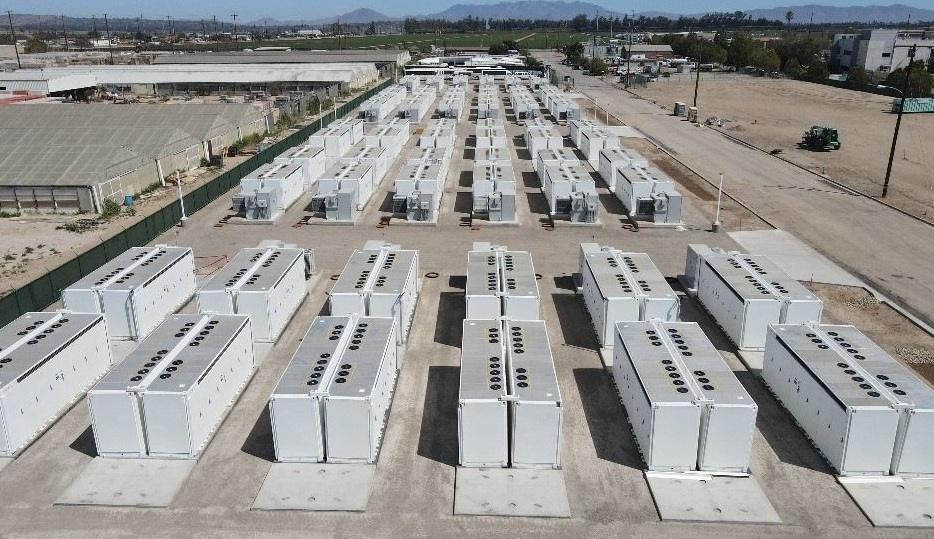
Battery power systems have quietly been replacing diesel as the smarter choice for outage preparedness, and for good reason. They’re silent, low-maintenance, and scalable—able to power anything from your phone to your entire home.
Battery systems operate without noise, so there are no complaints from neighbors and no unwanted attention. They have zero on-site emissions, which means they’re safe indoors and don’t pose a carbon monoxide risk. Maintenance is minimal—no oil changes, no spark plugs, no fuel management. Many models detect a grid outage and switch on automatically, providing instant power.
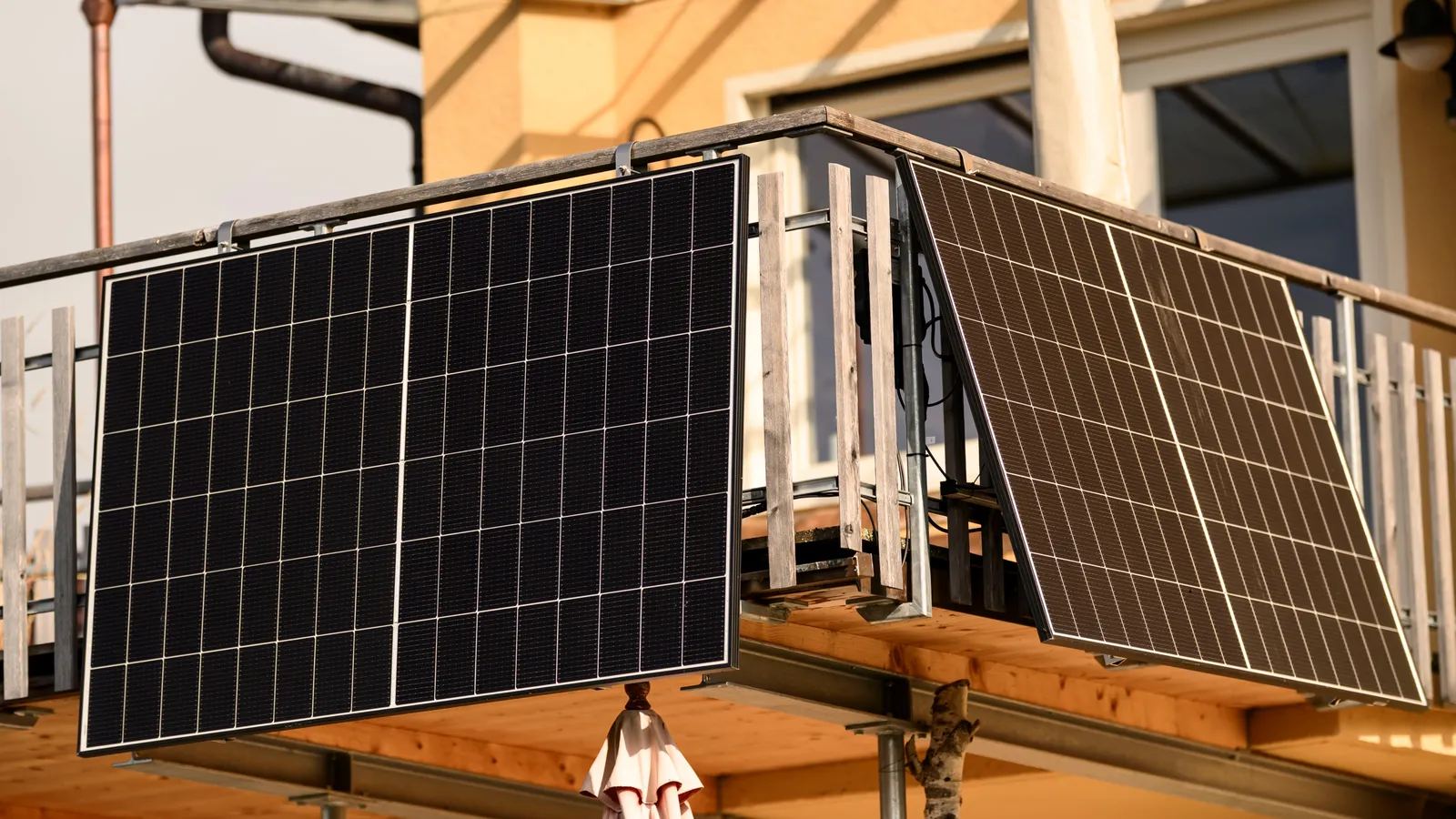
Capacity can be scaled over time, starting with a small portable unit and building up to a full-home system. When paired with solar or wind, these systems can recharge indefinitely without relying on fuel deliveries. And unlike diesel, battery backups can be stored in a garage, closet, or cabinet without ventilation concerns or the hazards of combustible fuel.
Readiness Is No Longer Optional
The combination of rising extreme weather, longer outages, and shrinking federal recovery resources means you can’t afford to wait until the power goes out to think about backup power. The best time to prepare was yesterday—the second-best time is now.
Your backup plan should be quiet, clean, reliable, and ready to switch on the instant the lights go out. For most people today, that means ditching fuel-reliant diesel systems for modern battery solutions that work every time—without the noise, fumes, or supply chain worries.
Skip Ahead
We’re living in a world where billion-dollar weather disasters happen multiple times a month and outages are stretching from hours into days. If you’ve been relying on luck—or an old generator—to get you through the next blackout, now’s the time to make the shift to something safer, cleaner, and more reliable.