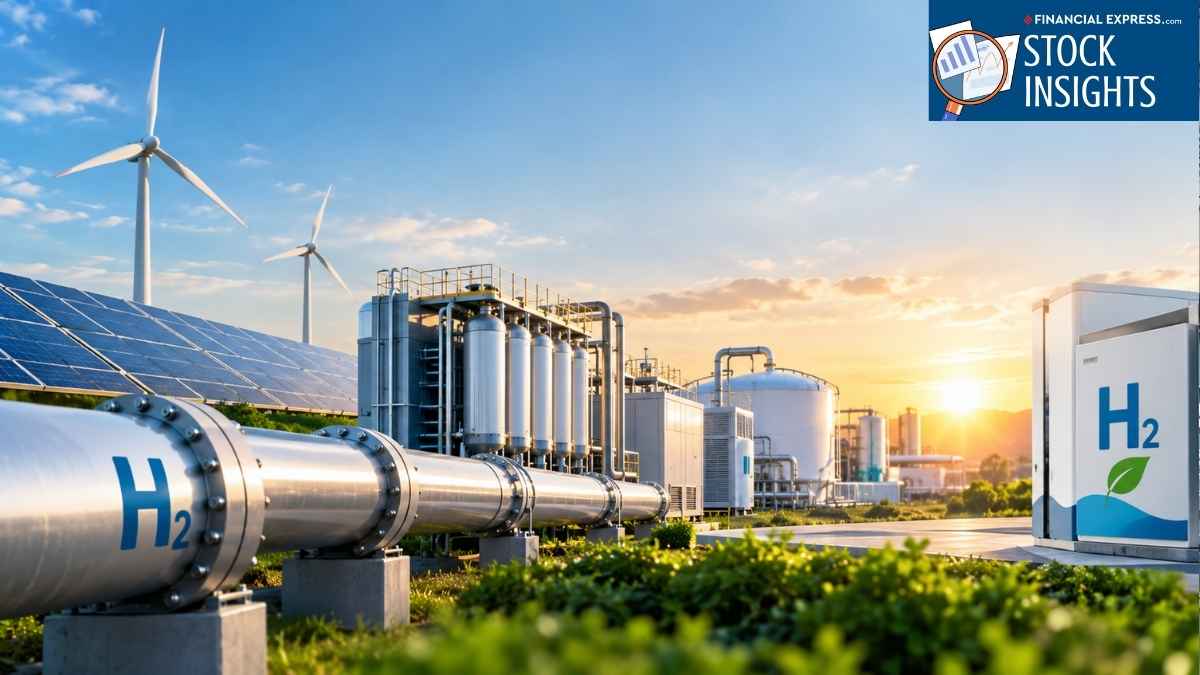
- China's dominance in renewable energy and electrical infrastructure positions it favorably in the evolving global energy landscape.
- The ongoing conflict in the Strait of Hormuz has significant implications for energy supply chains, further solidifying China's strategic advantage.
- As the world shifts towards clean energy, China's investments in innovation and technology will likely dictate the pace and direction of this transition.
The current geopolitical tensions, particularly surrounding the Strait of Hormuz, underscore a pivotal moment for global energy dynamics. With the potential for disruptions in traditional oil supply routes, the focus on renewable energy sources and infrastructure has never been more critical. China, already a leader in these sectors, is poised to leverage this situation to enhance its influence and capabilities in the clean energy arena. The implications of this shift are profound, as they not only affect energy markets but also reshape international relations and economic dependencies.
As the conflict between the United States and Iran unfolds, the strategic importance of the Strait of Hormuz becomes increasingly evident. This chokepoint is vital for global oil shipments, and any closure or restriction could lead to significant supply chain disruptions. In this context, China's investments in renewable energy technologies and electrical infrastructure present a compelling alternative to traditional fossil fuel reliance. By positioning itself as a leader in these sectors, China is not merely responding to current challenges; it is actively shaping the future of global energy supply and demand.
The implications of China's advancements in clean energy are multifaceted. As countries around the world seek to reduce their carbon footprints and transition to sustainable energy sources, China's role as a supplier of renewable technologies and innovations will likely expand. This shift not only enhances China's economic prospects but also allows it to exert greater influence over global energy policies and practices. The investments made today in renewable energy infrastructure will determine the pace at which nations can transition away from fossil fuels, and China is strategically positioned to lead this charge.
In summary, the intersection of geopolitical conflict and energy innovation is creating a unique landscape where China's leadership in renewable energy and electrical infrastructure is becoming increasingly critical. As the world grapples with the implications of potential disruptions in traditional energy supply routes, China's proactive approach to clean energy positions it as a key player in the future energy landscape. The outcomes of these developments will resonate far beyond immediate economic impacts, influencing global energy strategies and international relations for years to come.