- The Turkish Lira faces unprecedented volatility, driven by soaring inflation and geopolitical tensions, which are prompting drastic measures from both the central bank and the government.
- Domestic political turmoil, characterized by authoritarian governance, is undermining foreign investment and exacerbating the Lira's decline.
- In response to economic chaos, Turkish firms are pivoting towards innovation and operational efficiency, leveraging technology to mitigate the impacts of rampant inflation.
The current state of the Turkish Lira is a critical concern, as it reflects broader economic and geopolitical dynamics that threaten its stability. With inflation forecasts skyrocketing to 26 percent, the Lira has plummeted to record lows against the US Dollar, signaling a severe crisis that demands immediate attention. The anticipated 300 basis point rate hike from Turkey's central bank underscores the urgency of the situation, as policymakers scramble to stabilize the currency amidst a backdrop of rising US interest rates and global economic pressures. This volatility is not merely a financial issue; it is a symptom of deeper systemic problems that could have long-lasting implications for Turkey's economy.
The geopolitical landscape further complicates the situation, with regional conflicts, particularly involving Iran, straining Turkey's strategic borders. The government's decision to liquidate American treasury holdings in a bid to defend the Lira is viewed as a desperate measure, indicative of the severe pressures facing the Turkish economy. Coupled with this is the alarming trend of political repression, exemplified by the annulment of the main opposition party's leadership congress, which signals a move towards enduring autocracy. Such actions not only deter foreign direct investment but also create an environment of instability that is detrimental to the Lira's prospects.
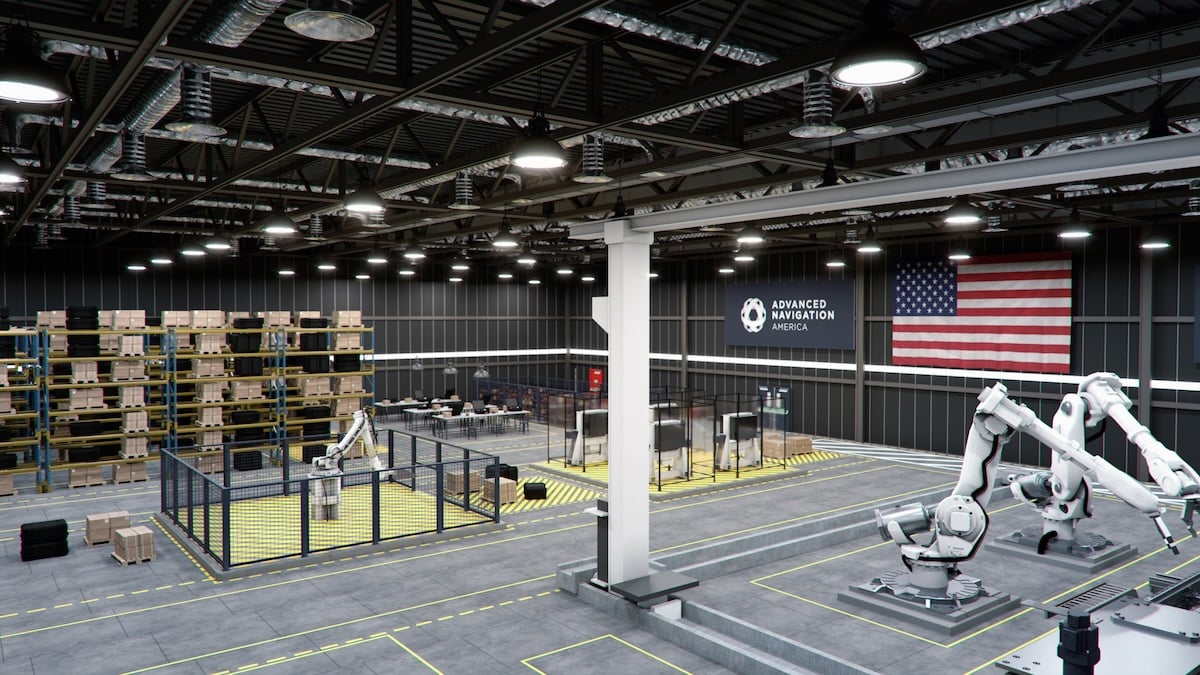
In light of these challenges, Turkish corporations are adapting by fostering agile, innovation-driven cultures that prioritize hard-currency revenue streams. The shift away from traditional corporate hierarchies towards more dynamic management structures is essential for survival in this hostile economic environment. Companies are increasingly focused on operational efficiency and technological advancements, utilizing artificial intelligence and robotics to optimize production and reduce costs. This pivot towards innovation is not just a strategic choice; it is a necessary response to the economic realities of rampant inflation and currency devaluation.
Moreover, the financial sector is responding to the chaos with sophisticated risk management strategies, employing complex derivatives to hedge against currency fluctuations. The Turkish Wealth Fund's aggressive interventions in equity and bond markets illustrate the lengths to which state-backed entities will go to stabilize domestic asset prices. However, private sector leaders must navigate these turbulent waters independently, adjusting their capital expenditures and building resilient supply chains to withstand macroeconomic shocks. The emphasis on strong leadership and adaptability is paramount as firms seek to endure the ongoing political and economic instability.
Finally, the rapid digital transformation within Turkey's financial infrastructure introduces both opportunities and risks. As cybersecurity threats escalate, particularly against high-frequency trading systems, Turkish banks are investing heavily in advanced security measures. The focus on protecting intellectual property through innovative patent filings in cybersecurity reflects a recognition of the importance of safeguarding technological advancements in a volatile economy. This high-tech revolution not only aims to bolster the resilience of Turkish exports but also serves as a critical defense against the challenges posed by a collapsing Lira.