- India's logistics sector is embracing electric vehicles (EVs) to reduce costs and emissions, but the focus must shift to operational efficiency for true success.
- Effective management of fleet uptime, charging infrastructure, and route planning is critical for companies to thrive in the evolving EV landscape.
- Operational discipline will be the key differentiator among logistics firms as they navigate the transition to electric mobility.
The urgency of optimizing fleet operations in India's logistics sector cannot be overstated, especially as the country accelerates its transition to electric vehicles. While the initial push towards EV adoption has garnered significant attention, the real test lies in how effectively companies can manage their fleets in this new paradigm. The challenge extends beyond merely deploying electric vehicles; it encompasses a comprehensive strategy that includes maximizing uptime, ensuring adequate charging infrastructure, and refining route planning. Without addressing these operational intricacies, the potential benefits of EVs may not be fully realized, leaving companies vulnerable in a competitive landscape that increasingly prioritizes sustainability and efficiency.
The current landscape reveals that while government support and environmental concerns have catalyzed the adoption of electric vehicles, the logistics sector must now pivot towards operational excellence. Companies that merely focus on the number of EVs in their fleets may find themselves at a disadvantage if they fail to implement robust systems for managing vehicle availability and performance. This operational discipline is essential not only for maintaining service levels but also for optimizing cost structures, which are critical as margins in logistics can be razor-thin.
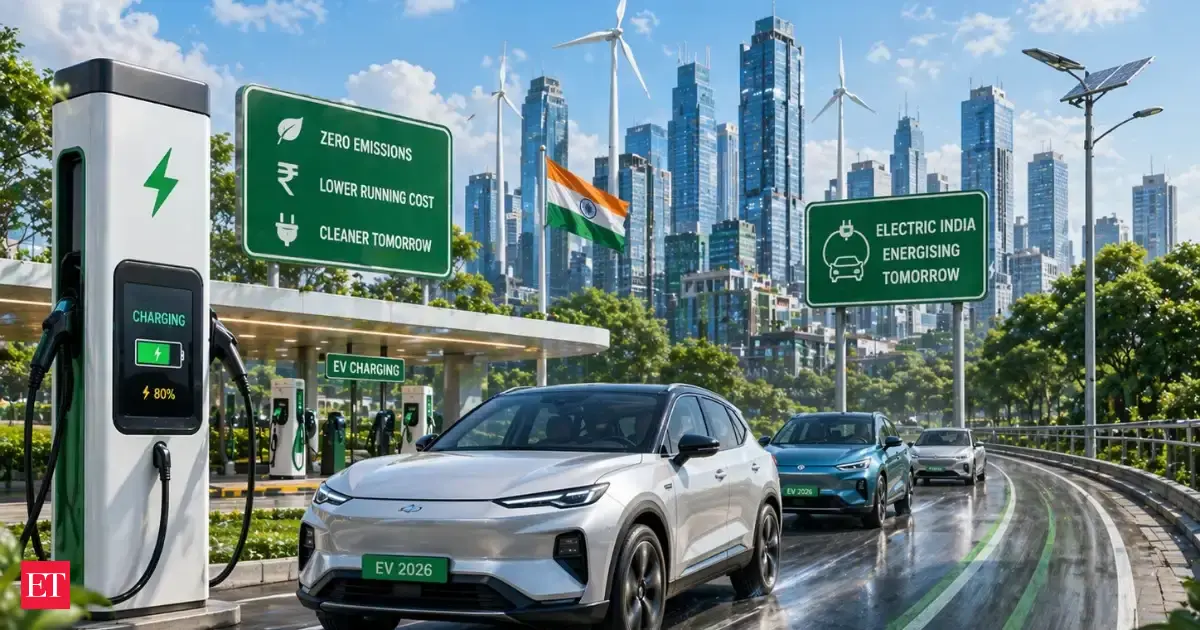
Moreover, the integration of charging infrastructure into fleet management is a pivotal factor that cannot be overlooked. As logistics companies expand their electric fleets, they must ensure that charging stations are strategically located and that charging times are factored into route planning. This requires a sophisticated understanding of both the vehicles' capabilities and the logistical demands of their operations. Companies that excel in this area will likely emerge as leaders, as they will be able to offer reliable service while minimizing downtime associated with charging.
Ultimately, the future of India's EV logistics hinges on the ability of firms to cultivate operational discipline. As the industry evolves, those that can effectively manage the complexities of fleet operations will not only enhance their competitive edge but also contribute to the broader goals of reducing emissions and promoting sustainable practices. The transition to electric mobility is not merely a technological shift; it is a comprehensive transformation that demands a reevaluation of how logistics companies operate at every level.