
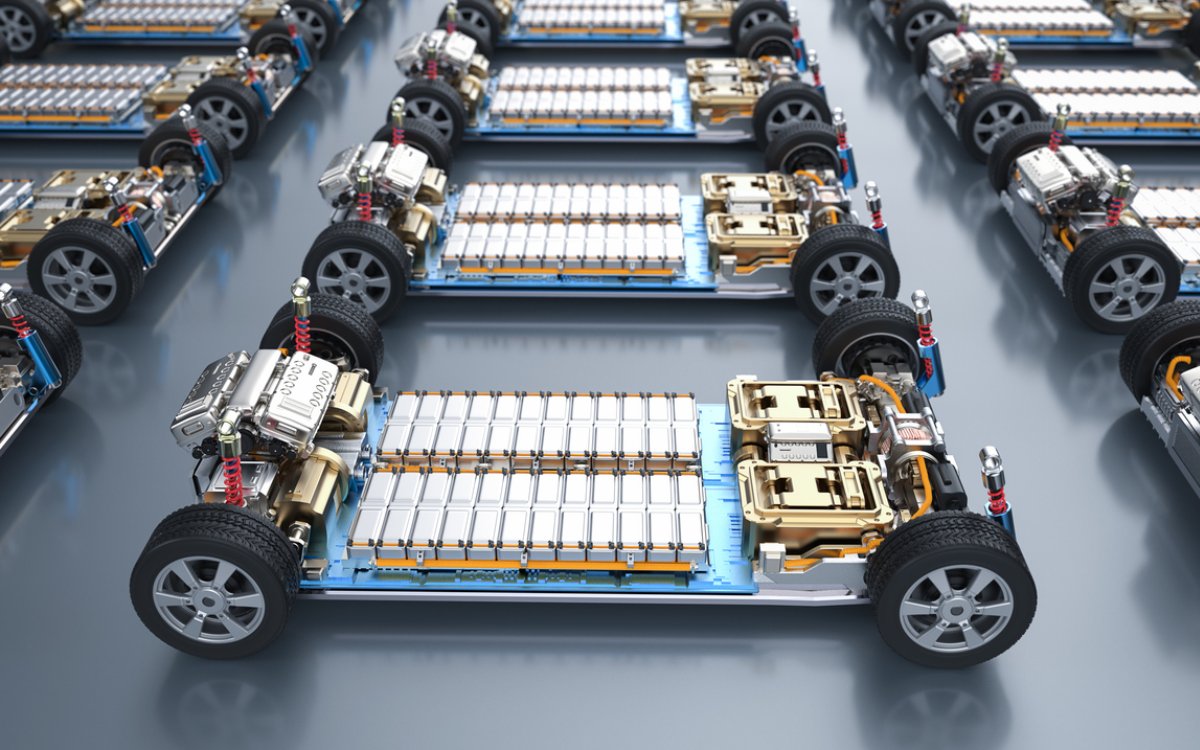
- Canada's significant investments in mining and manufacturing for electric vehicle (EV) batteries necessitate a parallel focus on recycling to create a sustainable circular economy.
- Developing a robust EV battery recycling strategy could transform waste into a valuable domestic industry, enhancing both environmental sustainability and economic resilience.
- Without proactive measures, Canada risks losing the opportunity to lead in the burgeoning EV battery market, as global competition intensifies.
The urgency for Canada to establish a comprehensive EV battery recycling strategy cannot be overstated, especially as the country positions itself as a key player in the electric vehicle market. With substantial federal investments directed towards mining and manufacturing, the next logical step is to ensure that the lifecycle of these batteries is managed effectively. The potential for repurposing and recycling batteries not only addresses environmental concerns but also opens avenues for economic growth, creating a domestic industry that can capitalize on the increasing demand for sustainable practices in the EV sector.
Recent trends indicate that as the adoption of electric vehicles accelerates, so too will the volume of spent batteries that require responsible disposal or recycling. Currently, the focus has been predominantly on the extraction of raw materials and the production of new batteries, but this approach is shortsighted. By neglecting the recycling aspect, Canada risks creating a significant waste problem that could negate the environmental benefits of EVs. A strategic pivot towards recycling could mitigate this risk, transforming potential waste into a resource that fuels further innovation and job creation within the country.
The implications of a well-structured recycling strategy extend beyond environmental benefits; they encompass economic resilience as well. By fostering a domestic recycling industry, Canada can reduce its dependency on foreign supply chains for battery materials, which is particularly critical in the context of geopolitical tensions and market volatility. This self-sufficiency would not only stabilize the local economy but also position Canada as a leader in the global EV battery market, attracting investments and partnerships that could further enhance its competitive edge.
Moreover, the establishment of a circular economy for EV batteries aligns with broader sustainability goals, including reducing carbon footprints and promoting responsible resource management. As consumers become increasingly aware of the environmental impacts of their choices, a transparent and effective recycling strategy could enhance public trust and encourage further adoption of electric vehicles. In this context, the Canadian government and industry stakeholders must collaborate to develop policies and infrastructure that support battery recycling initiatives, ensuring that the country does not fall behind in this critical sector.







