
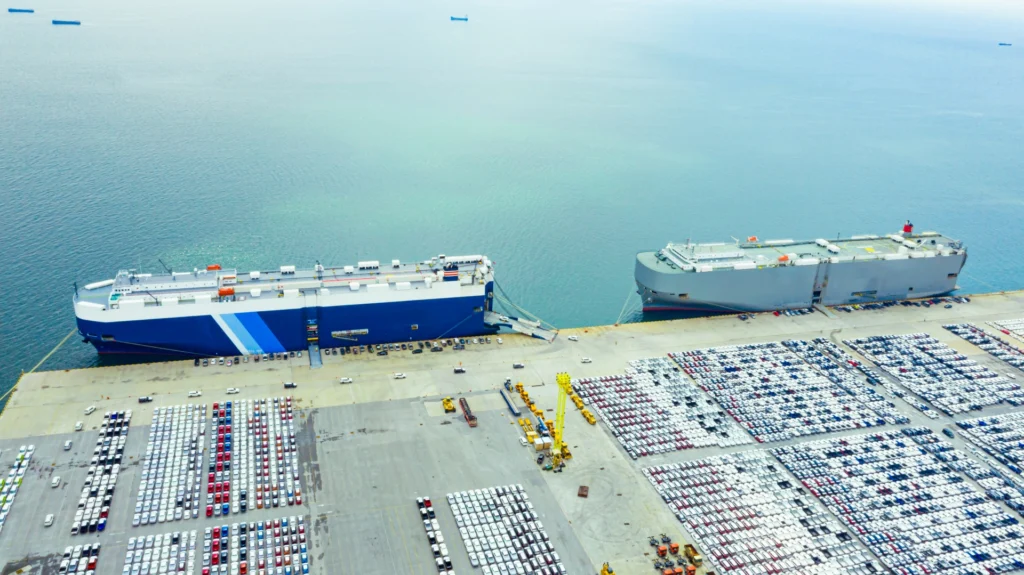
- Chinese EV manufacturers leverage streamlined supply chains and localized production to maintain lower cost structures.
- This competitive pricing strategy poses significant challenges for Western original equipment manufacturers (OEMs) in the electric vehicle market.
- The focus on domestic demand allows Chinese firms to optimize their offerings and pricing, potentially reshaping global market dynamics.
The current landscape of the electric vehicle (EV) market is increasingly dominated by Chinese manufacturers, whose ability to offer lower prices is a critical factor that industry stakeholders must address. The implications of this pricing strategy are profound, as it not only threatens the market share of Western OEMs but also signals a shift in the competitive dynamics of the global automotive industry. Understanding the mechanisms behind the affordability of Chinese EVs is essential for any player looking to navigate this evolving terrain.
Chinese carmakers have effectively harnessed tighter control over their supply chains, which allows them to reduce costs significantly. By focusing on the domestic market, these manufacturers can optimize production processes and minimize logistics expenses, creating a more efficient operational model. This contrasts sharply with many Western OEMs, who often rely on complex global supply chains that can introduce delays and inflate costs. The result is a stark competitive advantage for Chinese firms, enabling them to offer vehicles at prices that are difficult for their Western counterparts to match.
Moreover, the emphasis on the China market allows these manufacturers to tailor their products to local consumer preferences and regulatory requirements, further enhancing their market appeal. This localized approach not only streamlines production but also fosters innovation that aligns closely with the needs of Chinese consumers. As a result, Chinese EVs are not only cheaper but also increasingly sophisticated, which could lead to a redefinition of consumer expectations in the EV sector.
The ramifications of this pricing strategy extend beyond mere competition; they could reshape the entire global automotive landscape. As Chinese EVs gain traction both domestically and internationally, Western OEMs may be compelled to rethink their strategies, potentially leading to increased investment in local production and supply chain optimization. The challenge for these manufacturers will be to balance cost reduction with maintaining quality and innovation, ensuring they can compete effectively in a market that is rapidly evolving.







