
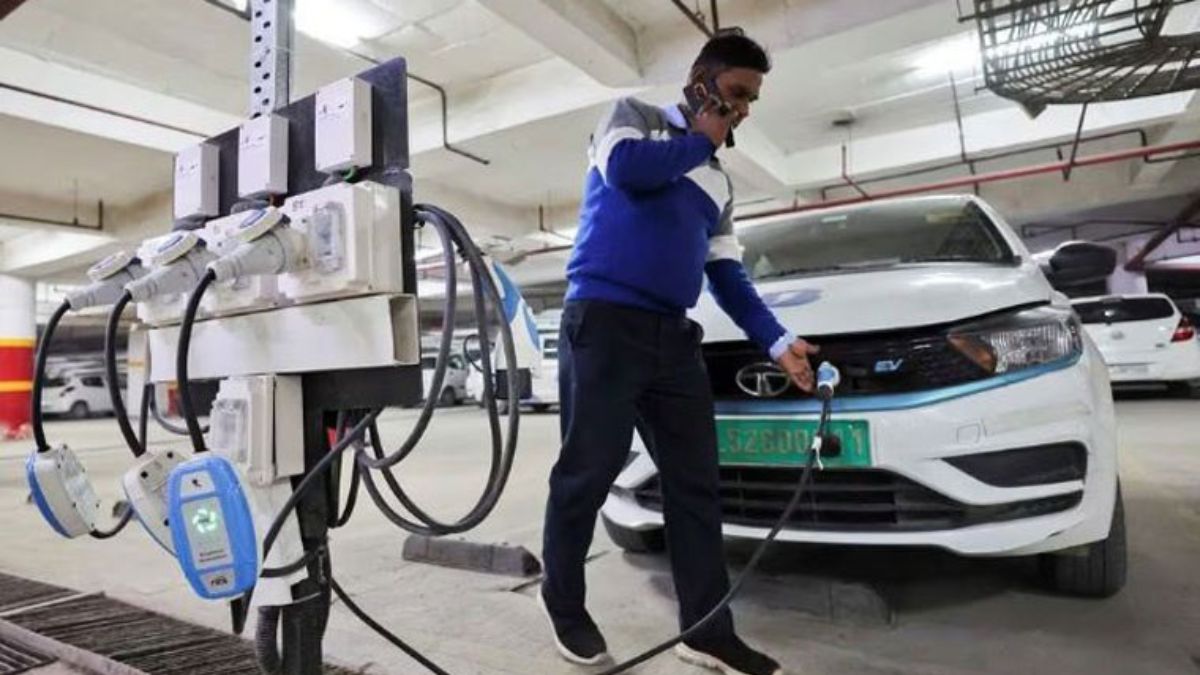
- India's electric vehicle sales surged to over three lakh units last month, marking a 63% year-on-year increase.
- The growth is driven primarily by electric passenger cars, indicating a shift in consumer preferences towards sustainable transportation.
- This momentum in the EV market suggests a pivotal moment for India’s automotive industry, with potential implications for manufacturing and infrastructure development.
The recent surge in electric vehicle (EV) sales in India is not just a statistic; it represents a critical turning point in the nation’s automotive landscape. With sales surpassing three lakh units last month and a remarkable 63% increase year-on-year, the momentum indicates a robust shift towards electrification. This trend is particularly pronounced in the electric passenger car segment, which has emerged as a key driver of this growth, reflecting changing consumer preferences and a growing acceptance of EVs as a viable alternative to traditional vehicles. The implications of this shift are profound, as they signal a potential transformation in manufacturing, infrastructure, and energy consumption patterns across the country.
The surge in sales can be attributed to several factors, including government incentives, increasing environmental awareness, and advancements in battery technology. The Indian government has implemented various policies to promote EV adoption, such as subsidies and tax benefits, which have made electric vehicles more accessible to consumers. Additionally, as awareness of climate change and pollution grows, consumers are increasingly seeking sustainable transportation options. The advancements in battery technology have also played a crucial role, as improvements in range and charging times make EVs more practical for everyday use. Together, these factors create a conducive environment for the EV market to flourish.
This growth trajectory in the EV sector is not merely a passing trend; it suggests a fundamental shift in the automotive industry in India. As electric passenger cars gain traction, manufacturers are likely to pivot their strategies to focus more on EV production, which could lead to increased investments in research and development. This shift may also encourage the establishment of new supply chains and partnerships, particularly in battery manufacturing and charging infrastructure. The implications extend beyond just the automotive sector; they could influence energy policies and urban planning as cities adapt to accommodate a growing number of electric vehicles.
Moreover, the current momentum in the EV market presents an opportunity for India to position itself as a leader in the global electric vehicle landscape. With the right investments and policy frameworks, India could not only meet its domestic demand but also emerge as a significant player in the international EV market. This potential for growth underscores the importance of continued support from both the government and private sectors to sustain this upward trajectory. As the market evolves, stakeholders must remain vigilant and responsive to the changing dynamics to capitalize on the opportunities presented by this electric revolution.







