
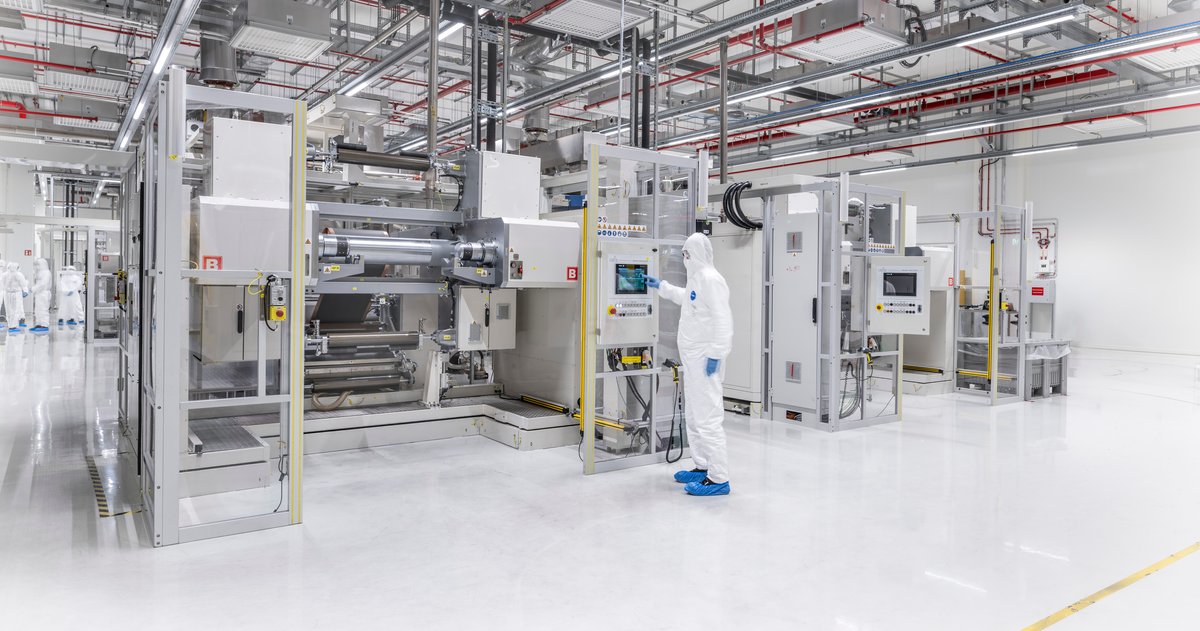
- Volkswagen Group's PowerCo is initiating European battery cell production to enhance its electric vehicle supply chain independence.
- This strategic move is aimed at reducing reliance on external suppliers and securing critical components for EV manufacturing.
- The establishment of local production capabilities is expected to bolster Volkswagen's competitive position in the rapidly evolving EV market.
The urgency of Volkswagen Group's decision to launch European battery cell production through its subsidiary PowerCo cannot be overstated, especially as the automotive industry undergoes a seismic shift towards electrification. As global demand for electric vehicles (EVs) surges, the need for a reliable and independent supply chain has become paramount. By establishing local production capabilities, Volkswagen is not only addressing potential supply chain vulnerabilities but also positioning itself to capitalize on the growing market for EVs in Europe and beyond.
This initiative marks a significant step in Volkswagen's broader strategy to enhance its autonomy in the EV sector. Historically, the company has relied heavily on external suppliers for battery components, which has exposed it to risks associated with supply chain disruptions and fluctuating prices. By bringing battery cell production in-house, Volkswagen aims to mitigate these risks and ensure a steady supply of high-quality batteries, which are critical for the performance and range of its electric vehicles.
The implications of this move extend beyond mere supply chain independence. By investing in local production, Volkswagen is also likely to create jobs and stimulate economic growth within the regions where these facilities are established. This aligns with broader European goals of fostering sustainable manufacturing practices and reducing carbon footprints. Moreover, local production can lead to shorter lead times and lower transportation costs, further enhancing the overall efficiency of Volkswagen's operations.
As the automotive landscape continues to evolve, Volkswagen's proactive approach to securing its supply chain is indicative of a larger trend among automakers to prioritize vertical integration. This strategic pivot not only strengthens Volkswagen's competitive edge but also sets a precedent for other manufacturers in the industry. The successful implementation of this battery cell production initiative could serve as a model for how automakers can navigate the complexities of the EV supply chain while ensuring sustainability and resilience in their operations.







