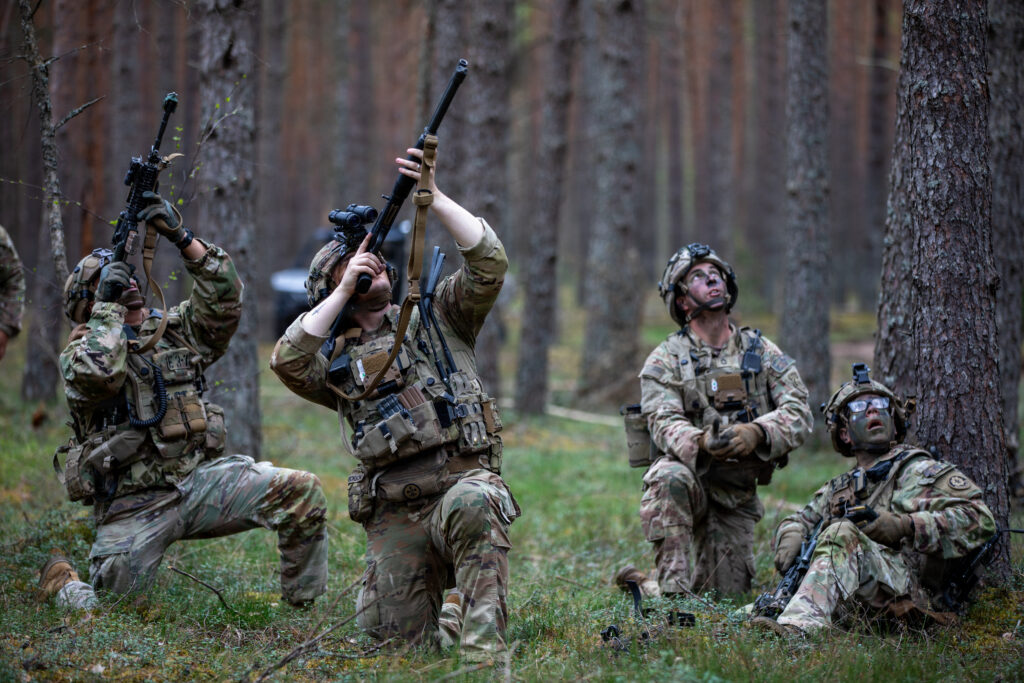
- The US Army is exploring audio training for soldiers to identify drones, highlighting the increasing importance of drone warfare in modern combat.
- This initiative reflects a shift towards integrating sensory awareness into military training, emphasizing the need for soldiers to adapt to evolving threats.
- Field experience is being prioritized as a practical method for soldiers to develop skills in recognizing different drone types by sound.
The urgency of adapting military training to counter the growing prevalence of drones in warfare cannot be overstated. As drone technology continues to evolve, the ability to identify and respond to these aerial threats is becoming a critical skill for soldiers on the battlefield. The US Army's exploration of audio training represents a proactive approach to enhancing situational awareness among troops, ensuring they are equipped to handle the complexities of modern combat scenarios where drones play a pivotal role.
Currently, the Army has not formally integrated audio drone training into its curriculum; however, the insights shared by Harrington indicate a recognition of the value of field experience. By encouraging soldiers to listen actively to their environment, the Army aims to foster a deeper understanding of the acoustic signatures associated with various drone types. This approach not only enhances soldiers' auditory skills but also prepares them for real-world situations where visual identification may be compromised.
The emphasis on differentiating drone sounds underscores a broader shift in military strategy, where sensory awareness is increasingly prioritized. As drones become more sophisticated and ubiquitous, traditional methods of detection may no longer suffice. The Army's initiative to train soldiers in this manner signals a commitment to innovation in military training, adapting to the realities of contemporary warfare where threats can emerge from unexpected angles.
Ultimately, the move towards audio training reflects an understanding that the battlefield is evolving, and so too must the skills of those who operate within it. By integrating this sensory training into their preparation, soldiers will be better equipped to identify and respond to drone threats, enhancing their effectiveness and safety in combat. This initiative could serve as a model for other branches of the military, highlighting the importance of adapting training methodologies to meet the demands of modern warfare.