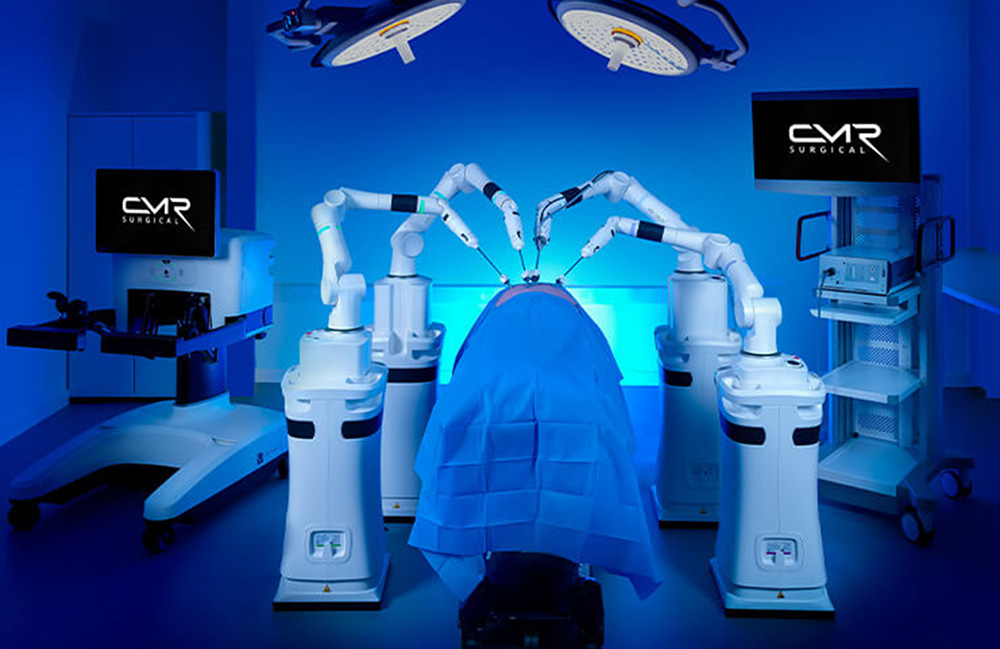
- A Tokyo-based university has launched a groundbreaking laboratory where robots are now conducting medical experiments previously performed by human researchers.
- This shift towards automation and AI in research signifies a major transformation in the medical field, potentially increasing efficiency and precision.
- The integration of robotics in experimental procedures raises important questions about the future role of human researchers in scientific inquiry.
The establishment of this unmanned laboratory in Tokyo represents a pivotal moment in the intersection of artificial intelligence and medical research. As the demand for faster and more accurate experimental results grows, the reliance on automation is becoming increasingly critical. This initiative not only showcases the capabilities of robotics in performing complex tasks but also highlights a broader trend within the scientific community to embrace technology as a means of enhancing research productivity and innovation.
In this new facility, robots are taking on the responsibilities that were traditionally managed by human researchers, conducting medical experiments with a level of precision that may surpass human capabilities. This transition is driven by the need for consistency and repeatability in experimental procedures, which are essential for generating reliable data. By leveraging AI and robotics, researchers can potentially reduce human error and variability, leading to more robust findings and accelerated timelines for research outcomes.
The implications of this shift extend beyond mere efficiency gains; they challenge the conventional roles within research teams. As robots become more integrated into the experimental process, the question arises regarding the future responsibilities of human researchers. Will their roles evolve into more supervisory or interpretative functions, or will there be a diminishing need for human involvement in certain types of research? This transformation could redefine the landscape of scientific inquiry, necessitating new skill sets and approaches to collaboration between humans and machines.
Moreover, the move towards automation in medical research raises ethical considerations that must be addressed. As robots take on more complex tasks, the potential for bias in AI algorithms and the implications of relying on machines for critical scientific decisions come to the forefront. Researchers must navigate these challenges carefully to ensure that the integration of technology enhances the integrity of scientific research rather than undermining it. The Tokyo laboratory serves as a case study for the future of research, illustrating both the opportunities and challenges that lie ahead as the field continues to evolve.