- Unitree Robotics' IPO filing indicates a significant shift towards a viable hardware business model, with strong revenue growth and improved margins.
- Despite the promising financial indicators, the humanoid robot segment remains largely dependent on research and education markets, limiting its industrial application potential.
- The company's ability to reduce costs while maintaining margins suggests a competitive advantage in manufacturing, but the broader humanoid market still requires validation.
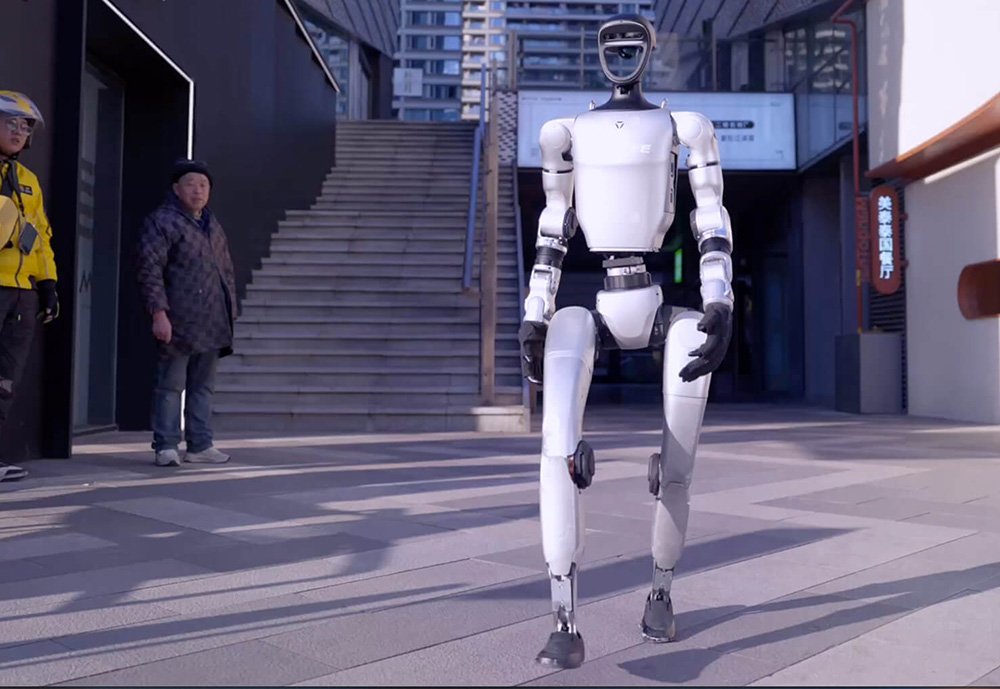
The recent IPO filing by Unitree Robotics is a pivotal moment for the company, underscoring its transition from a conceptual humanoid narrative to a tangible hardware business. The filing seeks to raise approximately $610 million on the STAR Market in Shanghai, a move that signals investor confidence in Unitree's manufacturing capabilities. With reported revenues of around $248 million in 2025, the financial metrics suggest that Unitree has established a solid foundation in the robotics sector, particularly in hardware production, which is often fraught with challenges.
Key to understanding Unitree's positioning is the notable decrease in the average selling price of its humanoid robots, which plummeted from $85,000 in 2023 to about $25,000 in early 2025. This price reduction, coupled with an impressive gross margin increase to 59.8%, indicates that Unitree has managed to enhance its cost structure effectively. The company's strategy of developing and producing core components in-house has likely contributed to this cost advantage, allowing it to maintain profitability even as prices drop—a scenario that is atypical in hardware industries.
Moreover, the revenue breakdown reveals that humanoids now constitute over half of Unitree's core revenue, a significant increase from just 1.9% in 2023. This shift highlights the growing commercial relevance of humanoid robots within the company. However, the current customer base remains heavily skewed towards research and education, with 73.6% of humanoid revenue derived from these sectors. This reliance on institutional clients rather than industrial applications raises questions about the scalability and broader market acceptance of humanoid robots, which investors must consider when evaluating the company's long-term prospects.
Unitree's operational metrics also reflect a healthy demand for its products, evidenced by a 95.95% sell-through rate of humanoids in the first nine months of 2025. While this indicates effective inventory management and production alignment with market demand, it does not fully address the depth of the market should Unitree expand its production capacity. Furthermore, the company's R&D spending, although decreasing as a percentage of revenue, has increased in absolute terms, suggesting that Unitree is still committed to innovation and product development, which is crucial for maintaining its competitive edge.
In summary, Unitree Robotics presents a compelling case as a legitimate hardware business, characterized by lower prices, improved margins, and meaningful revenue growth in humanoids. However, the current revenue mix and customer demographics indicate that the industrial application of humanoids is still in its infancy. The IPO filing serves as a critical juncture for Unitree, highlighting both its achievements and the challenges that lie ahead in proving the viability of humanoid robots in broader industrial contexts.