- Ukraine's strategic adaptation on the battlefield is reversing the momentum of the war against Russia, highlighting the importance of flexibility in military operations.
- Recent Ukrainian long-range strikes have successfully targeted critical Russian infrastructure, revealing vulnerabilities in Russia's military capabilities and command structure.
- The contrast in operational approaches between Ukraine and Russia underscores a broader narrative of adaptation versus stagnation, with implications for future engagements in modern warfare.
The ongoing conflict in Ukraine has reached a pivotal moment, characterized by a significant shift in strategic dynamics. As Ukraine adapts its military tactics and operational strategies, it is not merely responding to Russian aggression but actively reshaping the battlefield landscape. This evolution is critical now, as it reflects a broader understanding of modern warfare where adaptability can determine the outcome of engagements. The ability to recognize and exploit vulnerabilities in an opponent's strategy is proving to be Ukraine's secret weapon, allowing it to regain the initiative and challenge the status quo established by Russian forces.
In recent months, Ukraine has demonstrated a remarkable capacity for adaptation, moving beyond traditional metrics of success such as territorial gains. Instead, the focus has shifted to disrupting the Russian military-industrial complex through targeted strikes on logistics, command centers, and industrial facilities. This strategic pivot is underscored by recent assessments from the Institute for the Study of War, which indicate that Russian forces have experienced a net territorial loss for the first time since Ukraine's Kursk incursion. Such developments signal a significant decline in Russian operational effectiveness, driven by Ukraine's innovative approaches to warfare that leverage new technologies and intelligence capabilities.
The disparity between Russian claims of success and the reality on the ground further illustrates the challenges faced by Moscow. The exaggeration of territorial gains by Russian military leaders not only reflects a disconnect from battlefield realities but also highlights deeper institutional weaknesses within the Russian military hierarchy. This pattern of misinformation can hinder effective decision-making and adaptation, leaving Russian forces vulnerable to Ukrainian initiatives that exploit these weaknesses. As Ukraine continues to evolve its tactics, it is increasingly clear that the Kremlin's inability to accurately assess its own situation may lead to strategic dysfunction and operational failures.
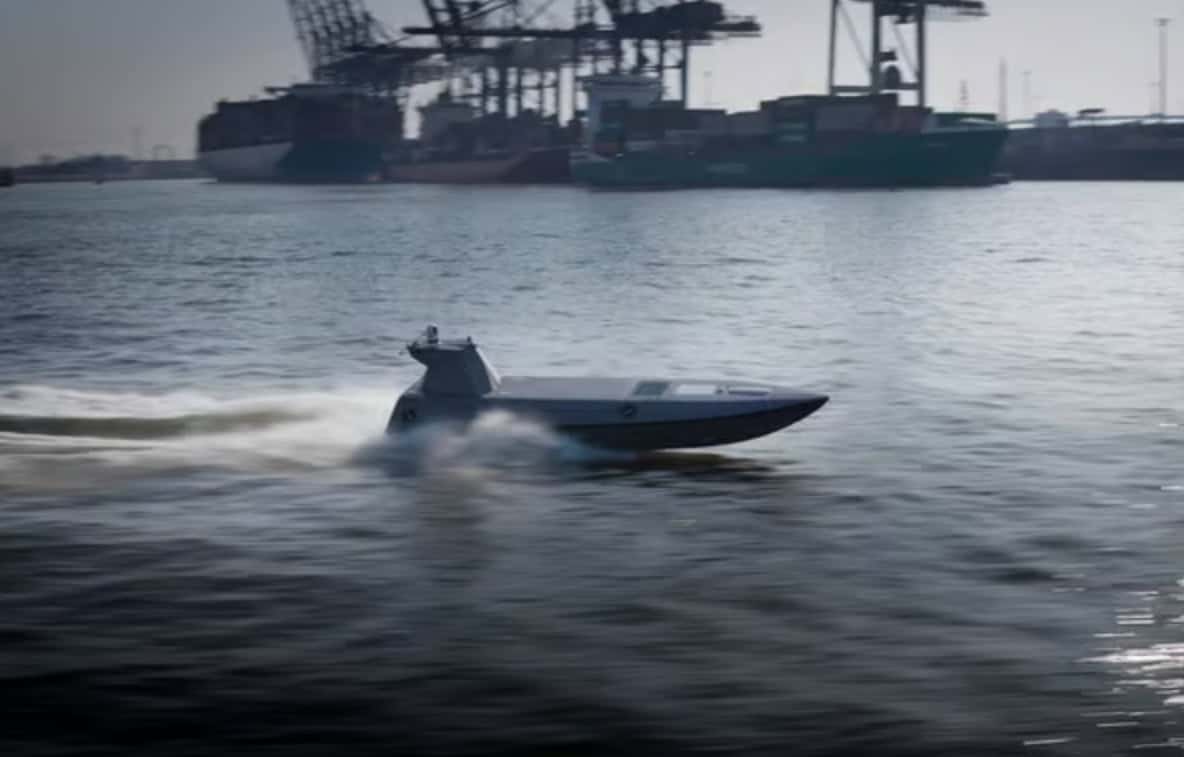
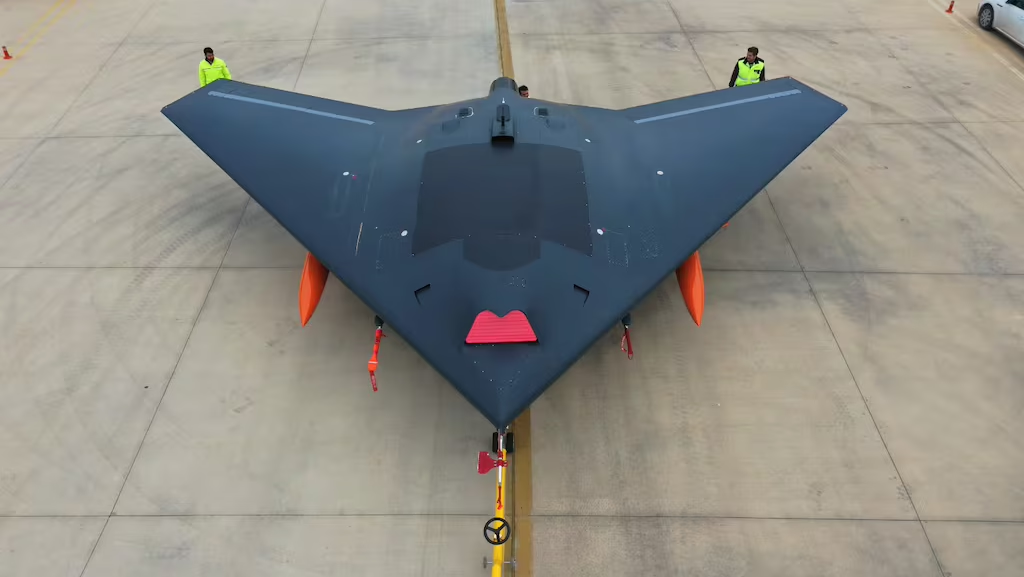
Moreover, Ukraine's shift from a symmetric approach to asymmetric warfare has profound implications for the conflict. By targeting the broader Russian military infrastructure rather than engaging in direct confrontations, Ukraine is effectively neutralizing Russia's quantitative advantages. This strategy not only conserves Ukrainian resources but also imposes significant psychological and operational pressure on Russian forces. The successful strikes against key facilities, such as oil refineries and drone production plants, indicate a sophisticated understanding of the interconnected nature of modern military operations. As Ukraine continues to bring the fight to Russia's rear areas, it is reshaping the strategic calculus of the conflict.
While the war is far from over, and both sides face significant challenges, Ukraine's ability to adapt and innovate in the face of adversity stands as a testament to its resilience. The ongoing conflict serves as a critical case study in modern warfare, illustrating the importance of learning and adapting faster than the enemy. As the situation evolves, the lessons drawn from Ukraine's experiences may offer valuable insights for military strategists and policymakers worldwide, emphasizing the necessity of flexibility and responsiveness in the face of changing battlefield dynamics.