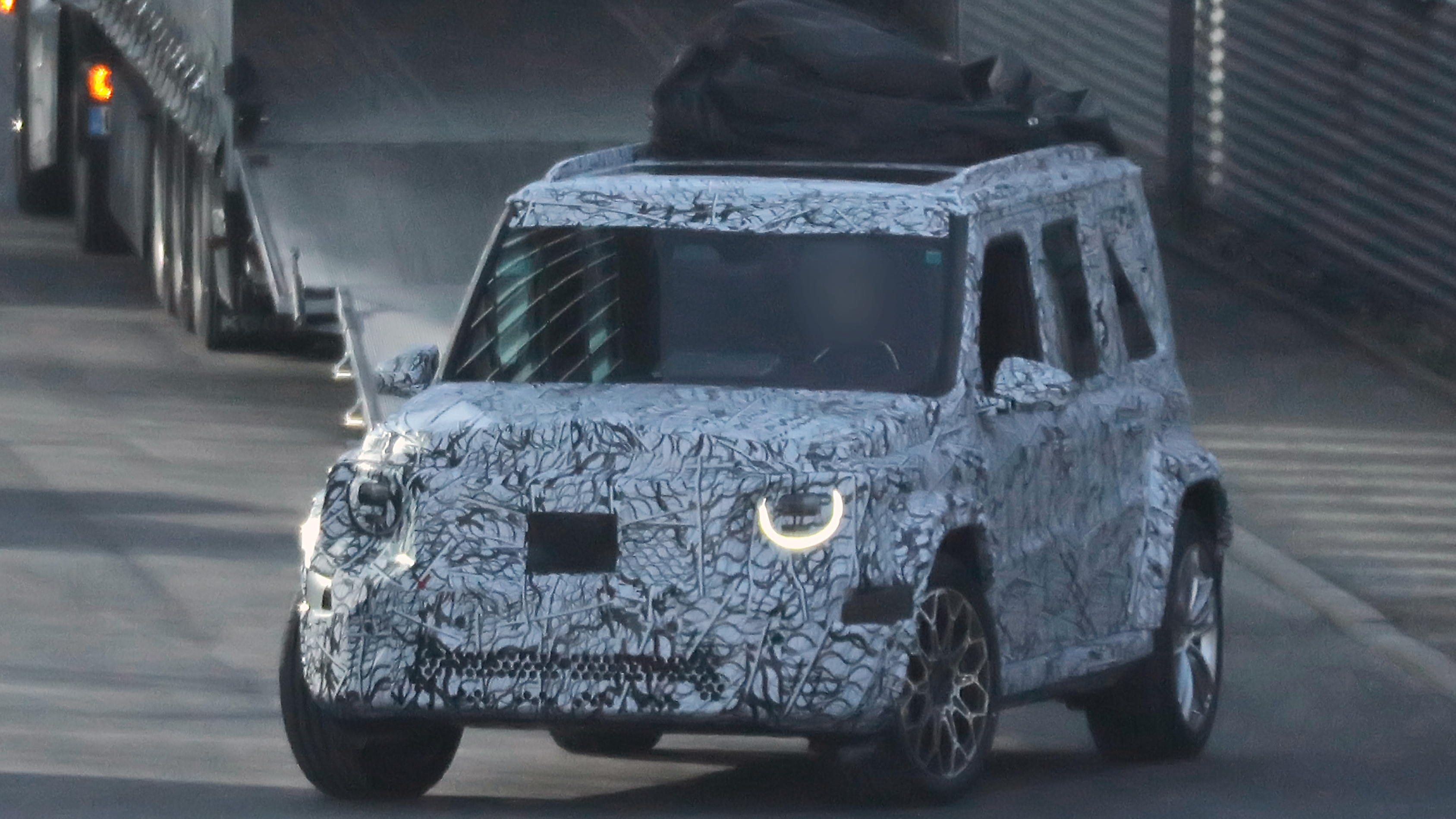
- U.S. dealers played a pivotal role in persuading Mercedes to introduce an internal combustion engine (ICE) version of the ‘Little G’ model, reflecting their influence on product strategy.
- This decision aligns with a broader trend in the automotive industry where consumer preferences for traditional engines remain strong, particularly in the U.S. market.
- The addition of the ICE variant underscores Mercedes' commitment to catering to diverse customer demands while navigating the transition to electrification.
The decision by Mercedes to add an internal combustion engine (ICE) version of the ‘Little G’ model is particularly significant in the current automotive landscape, where the balance between electrification and traditional powertrains is increasingly scrutinized. As manufacturers pivot towards electric vehicles, the influence of U.S. dealers in this case highlights the persistent demand for ICE vehicles, especially among American consumers who may not yet be ready to fully embrace electric alternatives. This move signals a recognition of the complexities involved in transitioning to a more sustainable lineup while still addressing immediate market preferences.
U.S. dealers, leveraging their insights into consumer behavior, effectively communicated the necessity of offering an ICE variant to Mercedes. Their advocacy reflects a broader understanding of the market dynamics at play, where a significant segment of buyers still favors traditional gasoline engines. This feedback loop between dealers and manufacturers is crucial; it ensures that product offerings align with consumer expectations, which can vary significantly across different regions. The decision to include an ICE option in the ‘Little G’ lineup illustrates how dealer input can shape strategic product decisions, particularly in a market as diverse as the U.S.
The introduction of the ICE version of the ‘Little G’ also serves as a strategic counterbalance to the ongoing shift towards electrification. While Mercedes is committed to expanding its electric vehicle portfolio, the company recognizes that a phased approach may be necessary to retain customer loyalty and market share. This dual strategy allows Mercedes to cater to a wider audience, ensuring that it does not alienate traditional buyers while still making strides towards sustainability. The ICE variant can be seen as a bridge, allowing consumers to transition at their own pace while still engaging with the brand.
Ultimately, this development is indicative of the broader challenges facing the automotive industry as it navigates the complexities of electrification and changing consumer preferences. The decision to add an ICE version of the ‘Little G’ reflects a nuanced understanding of market demands and the importance of dealer feedback in shaping product offerings. As Mercedes and other manufacturers continue to innovate and adapt, the ability to balance traditional and electric options will be critical in maintaining competitiveness in a rapidly evolving landscape.