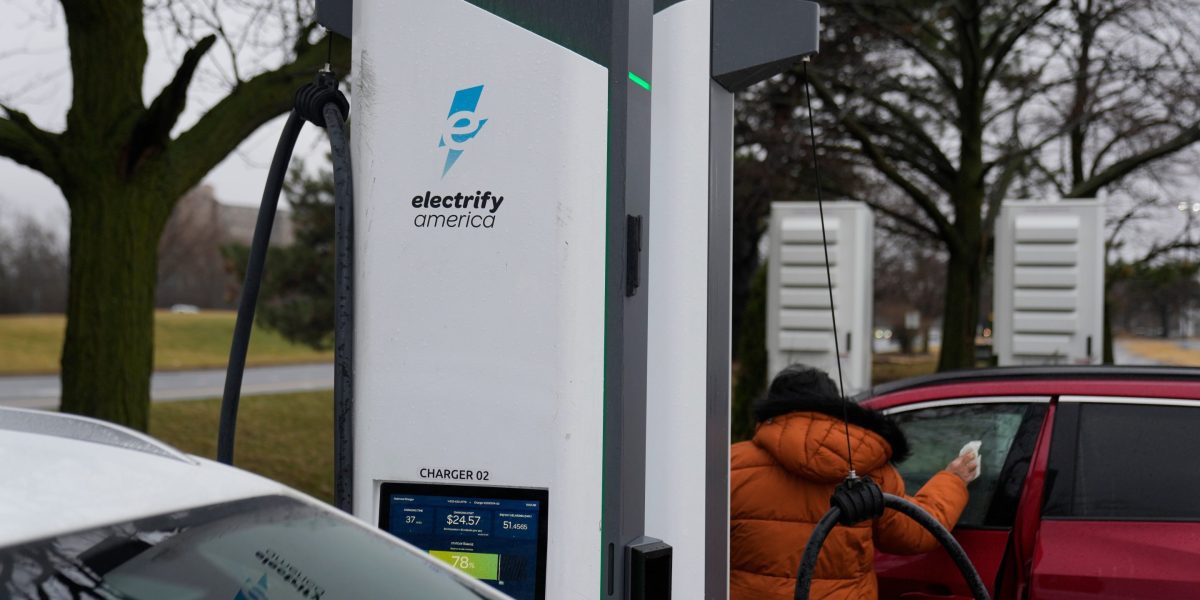
- Investing in electric vehicles (EVs) is increasingly seen as a strategic move to mitigate rising fuel costs amid geopolitical tensions.
- The volatility of gas prices, exacerbated by events like the Iran war, underscores the financial advantages of transitioning to electric mobility.
- As electricity prices remain relatively stable compared to gasoline, the long-term economic benefits of EV ownership become more apparent.
The current geopolitical landscape, particularly the ongoing tensions surrounding the Iran war, has heightened concerns about fuel price volatility, making the case for electric vehicles more compelling than ever. As traditional fuel costs fluctuate dramatically, the stability of electricity prices presents a significant advantage for consumers considering the switch to EVs. This shift is not merely a trend but a strategic response to unpredictable market conditions that can severely impact household budgets and operational costs for businesses reliant on transportation.
Kevin Ketels, a 55-year-old supply chain management professor, exemplifies this shift in perspective. By purchasing an electric vehicle last year, he has positioned himself to benefit from the inherent advantages of EVs in a volatile market. Ketels highlights a crucial point: while electricity prices can rise, they do so at a much slower rate compared to gasoline. This insight reflects a broader understanding of the economic landscape, where the stability of electricity becomes a key factor in long-term financial planning for individuals and businesses alike.
The implications of this transition extend beyond individual consumers; they signal a broader movement towards sustainable energy solutions that can withstand external shocks. As more consumers like Ketels recognize the financial prudence of investing in electric vehicles, the demand for EVs is likely to increase, prompting further innovation and investment in clean technology. This shift not only supports personal financial health but also aligns with global efforts to reduce carbon emissions and combat climate change.
Ultimately, the decision to embrace electric vehicles amid rising gas prices is not just about immediate savings; it reflects a strategic foresight that prioritizes long-term stability and sustainability. As geopolitical tensions continue to influence energy markets, the transition to electric mobility may well be seen as a necessary evolution in how we approach transportation and energy consumption. The narrative is clear: electric vehicles are not merely an alternative; they are becoming a vital component of a resilient economic strategy in an uncertain world.