- Electric lift systems and quasi-direct drive (QDD) motors are revolutionizing motion control in autonomous mobile robots, moving away from traditional hydraulics.
- This shift enhances precision and efficiency in warehouse automation, indicating a broader trend towards electrification in industrial applications.
- The adoption of these technologies signals a significant evolution in the design and functionality of mobile robots, potentially reshaping operational paradigms in logistics and manufacturing.
The transition from hydraulic systems to electric lift technologies and quasi-direct drive (QDD) motors in autonomous mobile robots is not just a technical upgrade; it represents a pivotal moment in the evolution of warehouse automation. As industries increasingly demand smarter and more efficient solutions, the limitations of traditional hydraulics become more pronounced. Electric systems offer enhanced precision, responsiveness, and energy efficiency, making them more suitable for the dynamic environments of modern logistics operations. This shift is crucial as companies strive to optimize their supply chains and reduce operational costs while maintaining high levels of productivity.
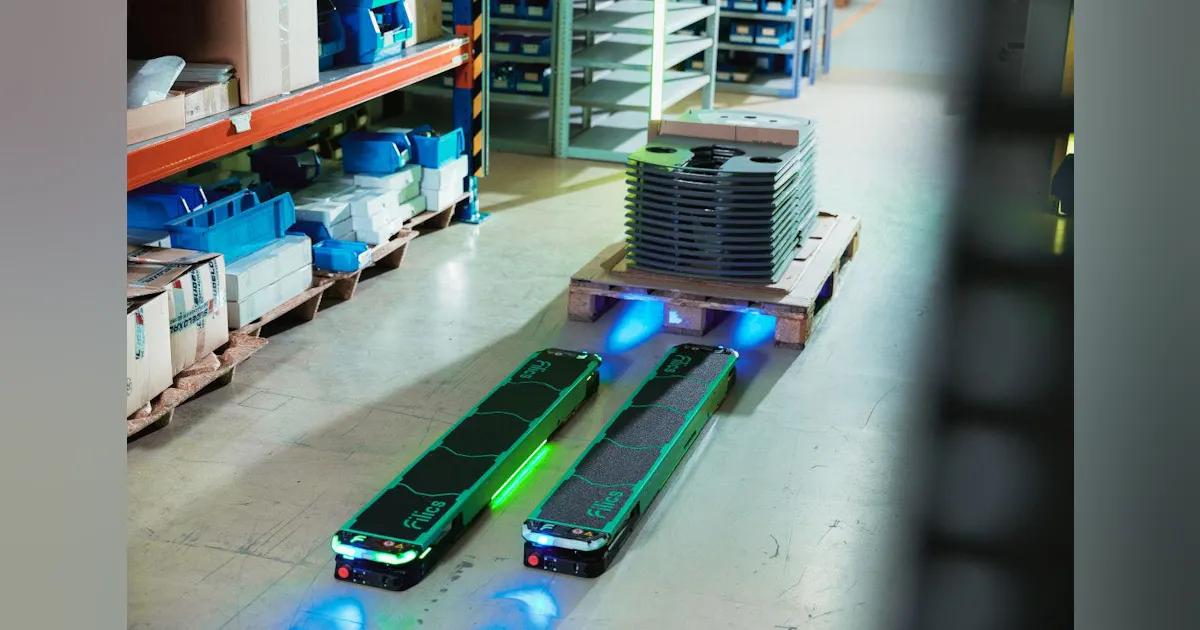
The move towards electric lift systems and QDD motors is driven by the need for greater control and flexibility in motion. Unlike hydraulics, which can be cumbersome and less precise, electric systems allow for finer adjustments and more reliable performance. This is particularly important in settings where autonomous mobile robots must navigate complex environments and interact with various types of loads. The integration of QDD motors further amplifies these benefits by providing direct drive capabilities that minimize mechanical losses and enhance overall system efficiency. As a result, these robots can operate with greater agility and accuracy, which is essential for tasks such as pallet handling and inventory management.