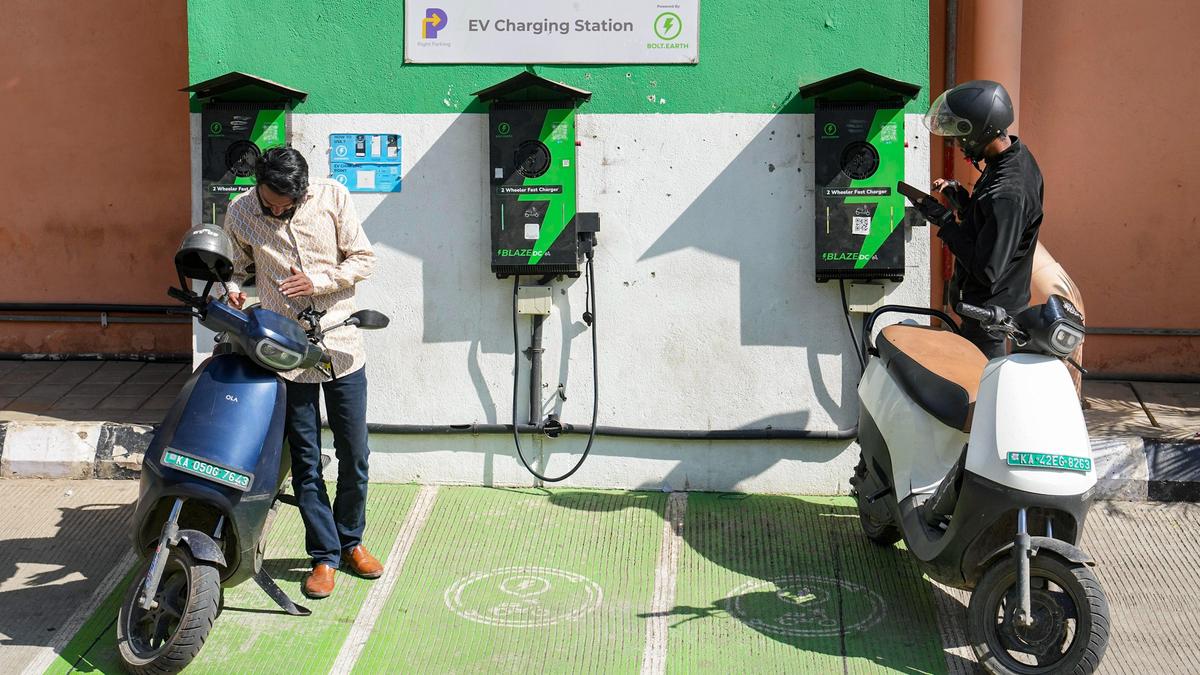
- India's rapid EV adoption necessitates a robust domestic supply chain to mitigate reliance on foreign sources.
- Strengthening local manufacturing capabilities will enhance resilience against global supply chain disruptions.
- Investment in research and development is crucial for fostering innovation within India's EV sector.
The urgency to fortify India's electric vehicle (EV) supply chains has never been more pronounced, especially as the country accelerates its transition towards sustainable transportation. With EV adoption on the rise, the vulnerabilities associated with dependence on external suppliers for critical components have become increasingly apparent. This situation underscores the necessity for India to cultivate a self-sufficient ecosystem that can withstand global market fluctuations and geopolitical tensions, which have the potential to disrupt supply chains at any moment.
The current landscape reveals that India relies heavily on imports for essential EV components, such as batteries and semiconductors. This dependency not only poses risks to the stability of the EV market but also hampers the country's ambitions to become a global leader in clean technology. The need for a comprehensive strategy to localize production is clear; without it, India risks falling behind in the global race for EV supremacy. The government and industry stakeholders must prioritize the establishment of domestic manufacturing capabilities to ensure a steady supply of critical components.
Moreover, the focus on local manufacturing should be complemented by significant investments in research and development. Innovation is key to overcoming the challenges posed by the current supply chain dynamics. By fostering a culture of R&D, India can develop homegrown technologies that not only meet domestic needs but also position the country as a competitive player in the global EV market. This approach will not only enhance the resilience of the supply chain but also create job opportunities and stimulate economic growth within the sector.
In conclusion, the path forward for India’s EV sector hinges on a multifaceted strategy that emphasizes strengthening local supply chains, investing in innovation, and reducing reliance on foreign imports. As the global demand for EVs continues to surge, India must act decisively to build a robust infrastructure that supports sustainable growth and positions the nation as a leader in the clean energy transition. The time to act is now, as the window of opportunity for establishing a competitive edge in the EV market is rapidly closing.