- Power architecture is a critical factor in swarm robotics, influencing coordination efficiency and fault tolerance.
- Centralized models offer advantages in structured environments but face scalability and vulnerability issues, while decentralized models enhance fault tolerance at the cost of increased communication traffic.
- Hybrid architectures are emerging as a solution, combining the strengths of both centralized and decentralized systems to improve operational flexibility and resilience.
The exploration of power architecture in swarm robotics is increasingly urgent as industries seek to optimize multi-agent systems for efficiency and reliability. The choice between centralized and decentralized power models significantly impacts how robotic fleets operate, particularly in dynamic environments where adaptability and real-time responsiveness are paramount. Understanding these differences is essential for robotics engineers and automation professionals aiming to enhance operational performance in various applications, from logistics to manufacturing.
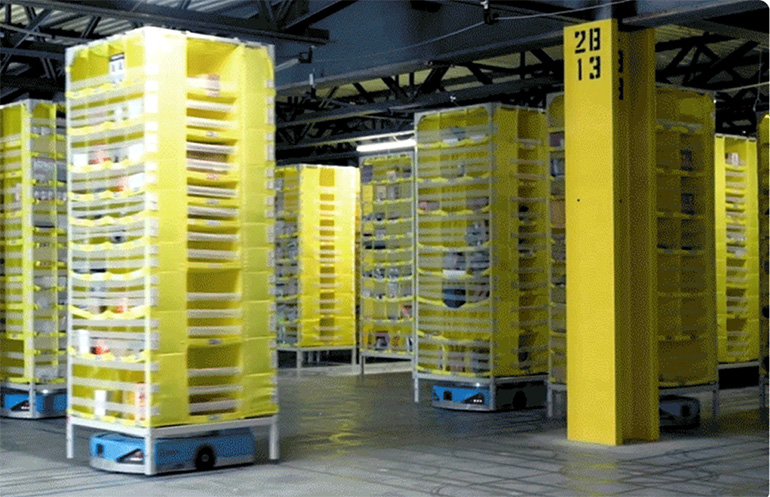
Centralized power models in swarm robotics rely on a unified orchestration system that coordinates energy distribution and charging schedules across the fleet. This architecture excels in environments with predictable workflows, such as industrial automation and warehouses, where centralized control can optimize synchronization and workload efficiency. However, the reliance on a single control layer introduces potential bottlenecks and vulnerabilities; if the central system fails, the entire operation may be compromised. This highlights the need for careful consideration of the operational context when implementing centralized systems.
In contrast, decentralized power models distribute energy management and operational decision-making across individual robotic agents. This approach enhances fault tolerance, allowing the swarm to continue functioning even amid connectivity disruptions or localized failures. However, as the swarm size increases, the communication demands also grow, potentially leading to congestion that can hinder real-time responsiveness. The balance between maintaining decentralized coordination and managing increased message traffic is a critical challenge that engineers must address to ensure effective swarm behavior.
Hybrid architectures are emerging as a promising solution, combining the benefits of centralized oversight with the adaptability of decentralized energy management. By leveraging edge AI processing and localized decision-making, hybrid systems can enhance resilience in environments where conditions frequently change. This approach allows for the distribution of certain computational functions closer to individual robots, reducing communication congestion and improving operational efficiency. As the complexity of swarm robotics deployments increases, particularly in sectors like manufacturing and autonomous mobility, hybrid frameworks may become essential for achieving scalable and resilient robotic systems.