- The reliance on cheap foreign labor in American agriculture is stifling innovation and mechanization, preventing the sector from adopting advanced technologies that could enhance productivity.
- Federal policies have entrenched a labor model that prioritizes low-cost human labor over automation, undermining the potential for agricultural intelligence and modernization.
- The U.S. risks falling behind in the global agricultural revolution unless it dismantles the existing labor regime and invests in mechanization and training for American workers.
The urgency of addressing the cheap foreign labor regime in American agriculture cannot be overstated; it represents a critical barrier to the sector's modernization and competitiveness. As the world moves towards an era of agricultural intelligence driven by AI and automation, the U.S. agricultural system remains shackled to outdated labor practices that prioritize low-cost foreign workers over technological advancement. This situation not only hampers productivity but also threatens the nation's ability to lead in agricultural innovation, a domain where it has historically excelled.
The current agricultural landscape is characterized by a significant reliance on foreign labor, with estimates indicating that 40 to 60 percent of crop farmworkers lack legal work authorization. This reliance has been sustained by federal policies that have effectively subsidized cheap labor, allowing agriculture to bypass the necessary mechanization that could enhance efficiency and reduce costs. The H-2A guestworker program, initially intended to address seasonal labor shortages, has morphed into a major labor pipeline, further entrenching the status quo. As a result, the incentive to invest in automation and training for American workers has diminished, creating a cycle of dependency on low-cost labor that stifles innovation.
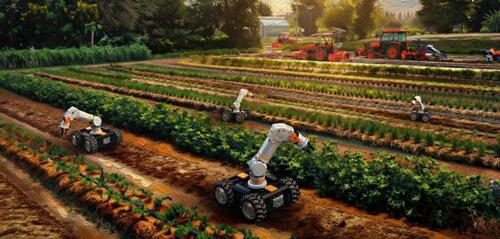
The implications of this labor model are profound. While other countries are rapidly advancing in agricultural technology—utilizing autonomous tractors, AI-driven crop management systems, and robotic harvesters—the U.S. remains mired in a labor-intensive production model. The author emphasizes that the tools for mechanization have existed for decades; the real barrier is policy. By continuing to support a labor model that favors cheap foreign workers, Washington is effectively delaying the transition to a more efficient, technology-driven agricultural system. This not only risks the U.S. falling behind in global agricultural advancements but also perpetuates a low-wage equilibrium in rural America, preventing the emergence of better jobs and economic opportunities.
The author draws parallels to historical precedents, such as the Bracero program, which demonstrated that ending reliance on foreign labor can lead to rapid modernization and increased productivity. The lessons from this past experience highlight that the technology to mechanize agriculture is available; what is lacking is the political will to dismantle the existing labor regime. The call to action is clear: to foster a sustainable and competitive agricultural sector, the U.S. must end the federal guarantee of cheap foreign labor, implement E-Verify, and phase down the H-2A program. This transition should be accompanied by substantial investments in mechanization and agricultural intelligence, ensuring that American workers are trained and equipped to thrive in a modernized agricultural landscape.
Ultimately, the future of American agriculture hinges on the ability to break free from outdated labor practices and embrace a strategy that prioritizes innovation and workforce development. The author argues that the U.S. possesses the necessary resources—land, capital, and expertise—but lacks the political resolve to enact meaningful change. As the global agricultural intelligence revolution unfolds, the choice is stark: continue down a path of dependency on cheap labor or invest in a robust, technologically advanced agricultural system that can secure the nation's food sovereignty and economic future.