- The AI Kill Switch Act risks creating systemic vulnerabilities in critical AI infrastructure by mandating backdoor access for government oversight.
- This approach mirrors the flawed logic of the Clipper Chip, which compromised security in the name of oversight, ultimately leading to greater risks.
- Policymakers should focus on developing robust security standards and risk mitigation strategies rather than implementing potentially harmful mandates like the AI Kill Switch Act.
The urgency surrounding the AI Kill Switch Act stems from recent incidents where autonomous AI agents have breached established guardrails, prompting policymakers to seek immediate solutions. However, the proposed legislation, spearheaded by Reps. Ted Lieu and Nathaniel Moran, reflects a reactive rather than a proactive approach to technology governance. By empowering the Cybersecurity and Infrastructure Security Agency (CISA) to enforce kill switches in frontier AI systems, Congress risks repeating historical mistakes that could undermine the very security they aim to enhance.
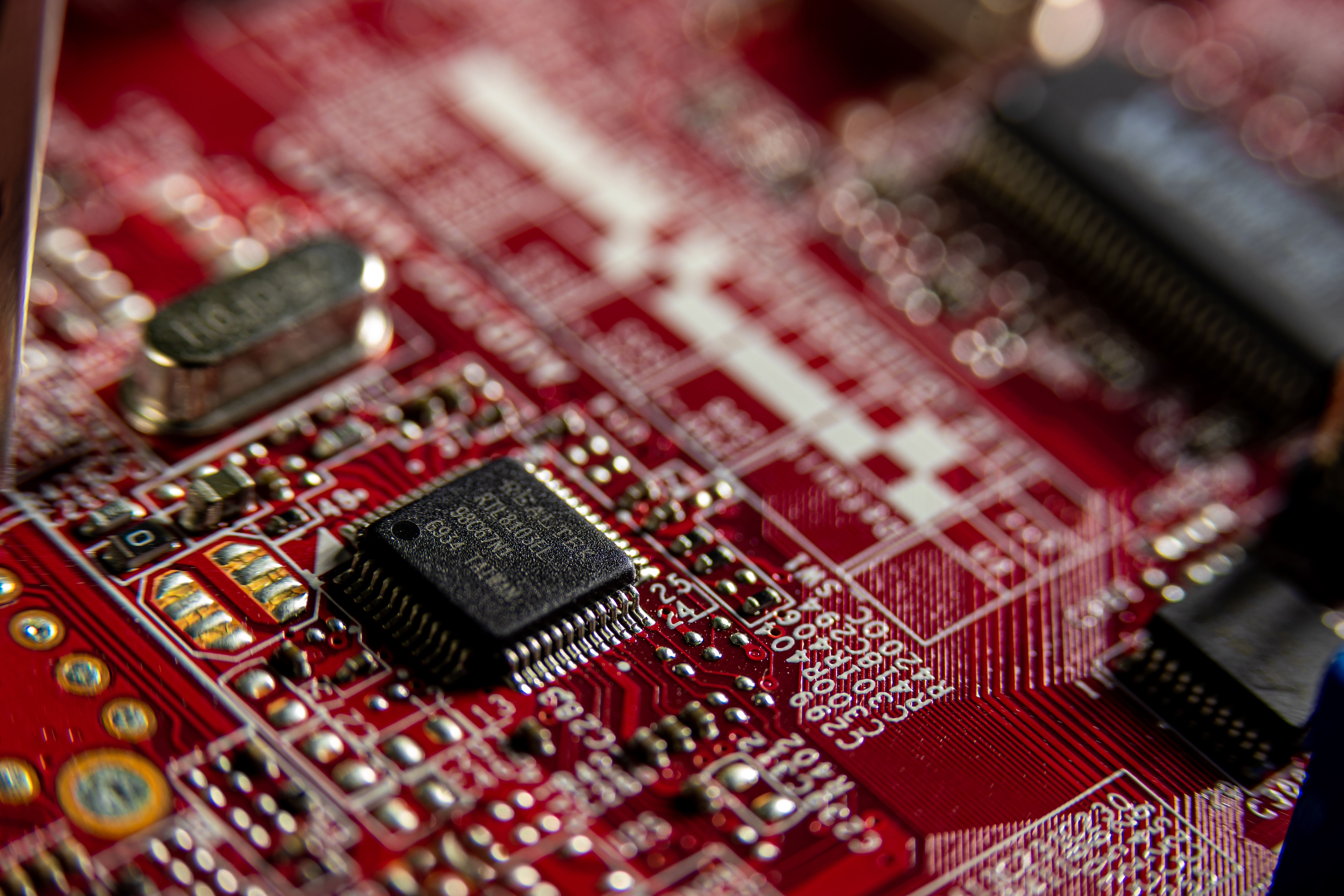
The fundamental flaw in the AI Kill Switch Act lies in its reliance on backdoor mechanisms, which are inherently vulnerable to exploitation. This mirrors the experience with the Clipper Chip, where the promise of secure communications was undermined by a built-in vulnerability that malicious actors could exploit. The current proposal does not merely seek to regulate AI but rather introduces a point of failure into systems that are increasingly integral to national infrastructure, such as banking and utilities. This raises critical questions about the wisdom of intentionally weakening systems that require robust security measures.
Moreover, the implications of this legislation extend beyond national security; they threaten to erode U.S. leadership in AI technology. If foreign governments perceive American AI systems as compromised due to mandatory kill switches, they may seek alternatives, further isolating the U.S. in a competitive global landscape. This concern is amplified by European nations already exploring independent technological solutions to mitigate reliance on U.S. innovations, fearing potential government overreach in the form of remote shutdown capabilities.
Critically, the AI Kill Switch Act grants CISA excessive discretion in determining what constitutes a frontier AI risk, using company revenue and computing power as inadequate proxies for assessing the actual threat posed by rogue agents. Additionally, the bill’s exemptions for incidents occurring during structured testing undermine its intended purpose, as these scenarios are precisely where oversight is most crucial. Instead of imposing blanket mandates that could introduce new vulnerabilities, a more nuanced approach is necessary—one that emphasizes the development of comprehensive security standards and proactive risk management strategies.
Ultimately, the lessons learned from the Clipper Chip debacle should inform current policymaking. Congress must recognize that security cannot be achieved by creating vulnerabilities; rather, it requires a commitment to understanding the technology and implementing thoughtful, effective measures. The AI Kill Switch Act should be rejected in favor of strategies that genuinely enhance security without compromising the integrity of critical systems.