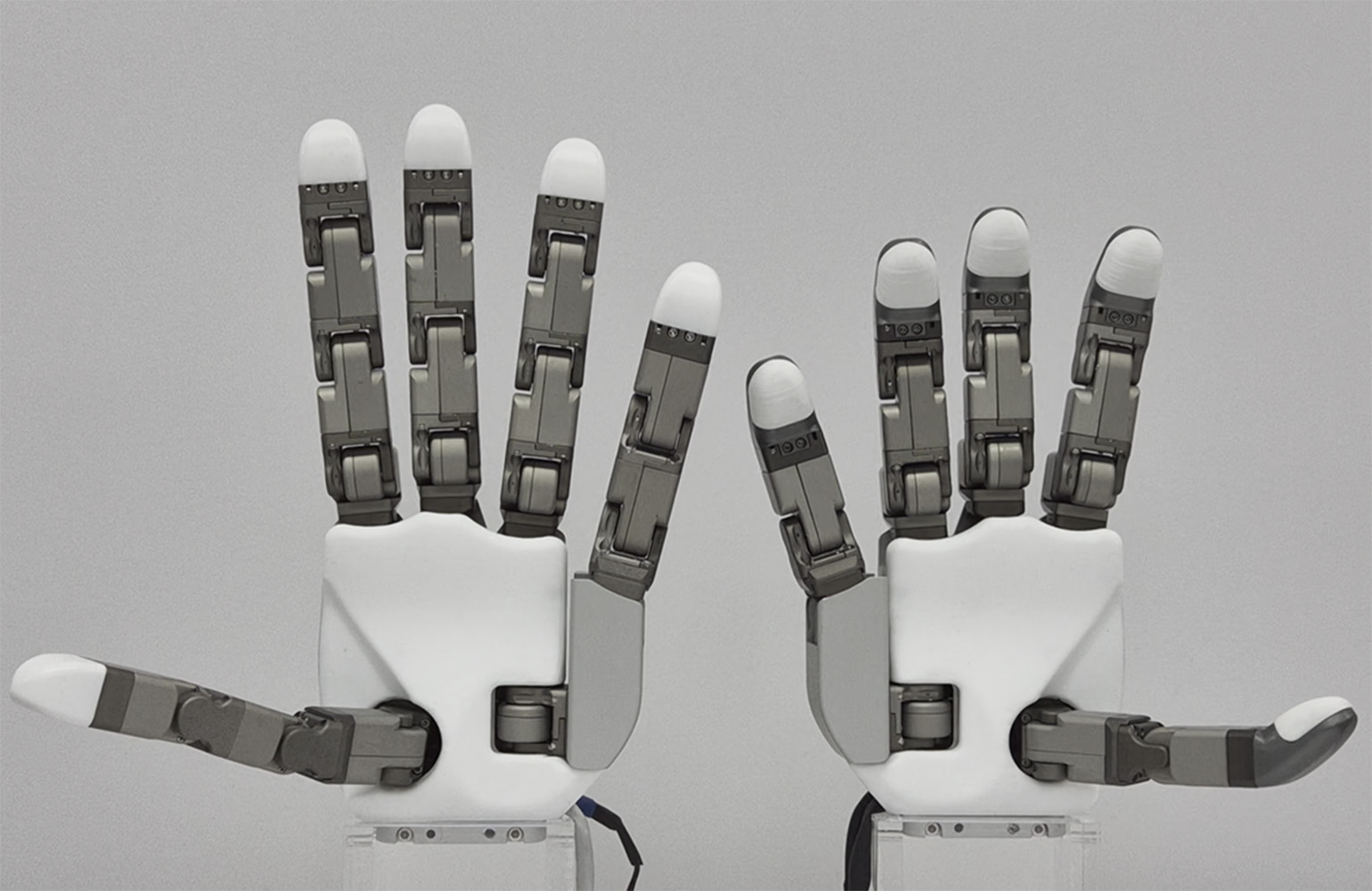
- Tesollo has officially launched the DG-5F-S, a compact and lightweight humanoid robotic hand designed for enhanced integration and versatility.
- The new model addresses real-world deployment challenges, including weight, size, and compatibility, making it suitable for a broader range of users.
- This commercialization marks a significant step towards expanding the use of robotic hands beyond research into practical industrial applications.
The introduction of Tesollo's DG-5F-S robotic hand is a pivotal moment in the evolution of humanoid robotics, particularly as the industry seeks to overcome longstanding barriers to adoption. The emphasis on miniaturization and weight reduction not only enhances the hand's functionality but also broadens its applicability across various platforms, which is crucial as demand for humanoid robots continues to grow. By focusing on practical integration requirements, Tesollo positions itself to meet the needs of diverse users, from startups to established research institutions, who have previously been deterred by the complexities and costs associated with robotic hands.
The DG-5F-S is built on a sophisticated five-finger, 20 degree-of-freedom architecture that allows for precise manipulation, a feature that is essential for humanoid robots. Tesollo's decision to optimize the gripper for integration rather than merely competing on technical specifications reflects a strategic understanding of market needs. This approach is informed by real-world usage data and feedback from the DG-5F-M, the company's earlier model, ensuring that the new hand is not just a theoretical concept but a commercially viable product tailored to actual customer requirements.
In addition to the 20-DoF model, Tesollo is also offering a 15-DoF version, which caters to environments where extreme dexterity is not a priority. This flexibility in product offerings is indicative of Tesollo's commitment to addressing the varied needs of its clientele, thereby lowering the entry barriers for users who may have previously considered humanoid robotic hands too complex or costly. By making these advanced technologies more accessible, Tesollo is poised to catalyze a shift in how humanoid robotics are utilized across industries.
The commercialization of the DG-5F-S is a strategic move that aims to transition robotic hands from niche research tools to essential components in industrial applications. This shift is particularly significant in South Korea, where Tesollo seeks to strengthen its foothold in the burgeoning humanoid robotics market. As major technology companies begin to adopt the DG-5F series, the implications for the future of robotic automation are profound, potentially leading to increased efficiency and innovation across various sectors.