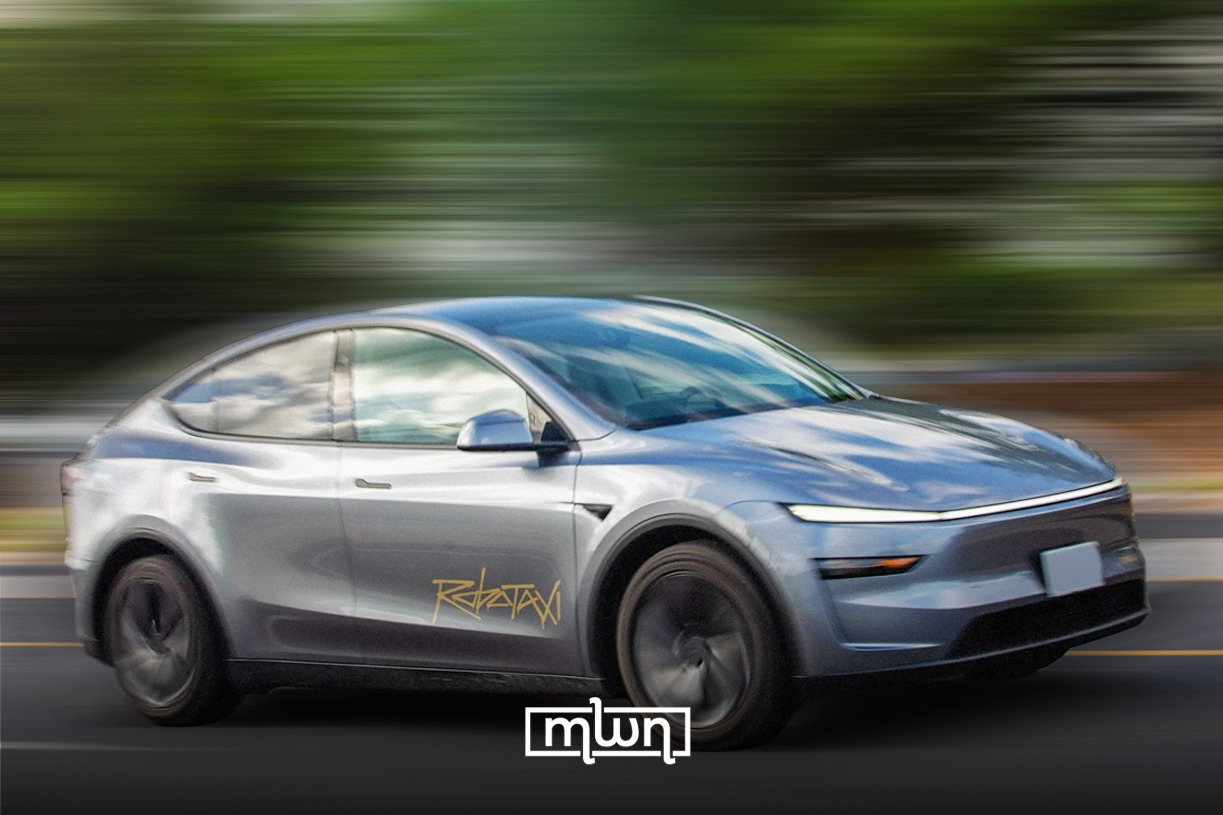
- Tesla's production of a two-seat robotaxi marks a significant pivot towards autonomous mobility, emphasizing a future business model centered on recurring revenue from transport services.
- The company is advancing its regulatory efforts, anticipating approval for its self-driving system in the European Union, which could facilitate large-scale deployment.
- Despite current pressures on vehicle shipments and competition, Tesla's financial performance indicates resilience, with growing revenues and deliveries suggesting a stabilization of demand.
The launch of Tesla's two-seat robotaxi is a pivotal moment that underscores the urgency of the company's transition towards autonomous mobility. As the automotive landscape evolves, Tesla is not merely adapting; it is redefining its operational framework to prioritize artificial intelligence and robotics. This strategic shift is not just about introducing a new vehicle; it represents a fundamental change in how Tesla envisions its role in the transportation ecosystem, moving from traditional vehicle sales to a model that leverages autonomous transport services for sustained revenue generation.
The robotaxi, devoid of a steering wheel or pedals, is a clear indication of Tesla's commitment to fully autonomous driving technology. Elon Musk's unveiling of the vehicle, accompanied by a production line video, signals that Tesla is not only innovating but is also ready to scale its manufacturing capabilities. This initiative aligns with the company's broader strategy to integrate AI and automation into its core operations, positioning Tesla as a leader in these fields rather than solely as an electric vehicle manufacturer.
On the regulatory front, Tesla's anticipation of EU approval for its advanced self-driving system is a crucial development that could unlock access to one of the largest automotive markets globally. Such approval would not only facilitate the deployment of autonomous vehicles but also enhance Tesla's competitive edge in a rapidly evolving industry. However, this path is fraught with challenges, including regulatory uncertainties and the need to build public trust in fully autonomous systems. The success of the robotaxi initiative hinges on overcoming these hurdles while navigating an increasingly competitive landscape in autonomous driving.
Despite facing headwinds from tariffs and market pressures, Tesla's recent financial results reveal a company that is adapting and finding ways to stabilize demand. The introduction of more affordable models like the Tesla Model 3 and Model Y reflects a strategic effort to broaden its customer base amidst intensifying competition. The increase in global deliveries and revenue growth indicates that Tesla is not only weathering current challenges but is also positioning itself for future success. Musk's emphasis on robotaxis and humanoid robots as the drivers of long-term growth further illustrates a forward-looking vision that could reshape the economics of transportation.
The implications of Tesla's robotaxi initiative extend beyond the company itself; it has the potential to disrupt traditional ride-hailing services and redefine urban mobility. By eliminating the need for human drivers, Tesla aims to create a scalable and cost-effective transportation solution. However, the journey towards widespread adoption of fully autonomous vehicles will require careful navigation of regulatory landscapes and ongoing efforts to ensure safety and public confidence. Tesla's bold move into robotaxi production not only highlights its confidence in this direction but also sets the stage for a transformative era in transportation that could define the company's trajectory in the coming years.