Robotics today represent to programmable machines that are capable of autonomous or semi-autonomous tasks across industrial, commercial, and personal domains, often powered by AI. Here we focus on machines that sense, learn, and make decisions – including collaborative robots (“cobots”), mobile robots, service robots, autonomous vehicles, medical robotics, and drones, with AI enabling perception, adaptability, and context-driven action.
* The robotics sector is experiencing unprecedented investment and enthusiasm, particularly in humanoid machines, signaling a pivotal moment for technological advancement.
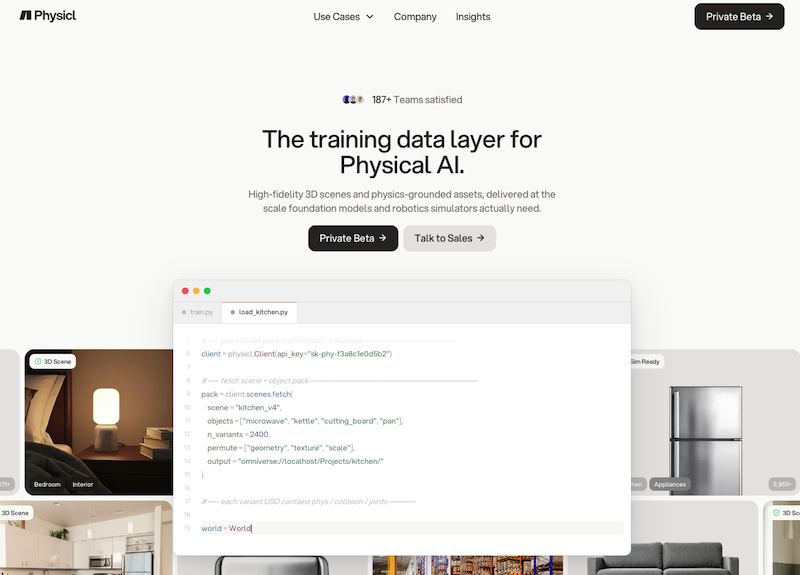
* Yuhnzu Li emphasizes the critical role of simulation in robotics
* The increasing complexity of robotics necessitates the implementation of deterministic real-time systems to ensure safety and reliability in human environments.
* QNX's innovative microkernel architecture is positioned as
* The advancement of robotics is increasingly dependent on the development of physical AI, which enables machines to learn and adapt in real-world environments.
* Current robotic systems are limited by
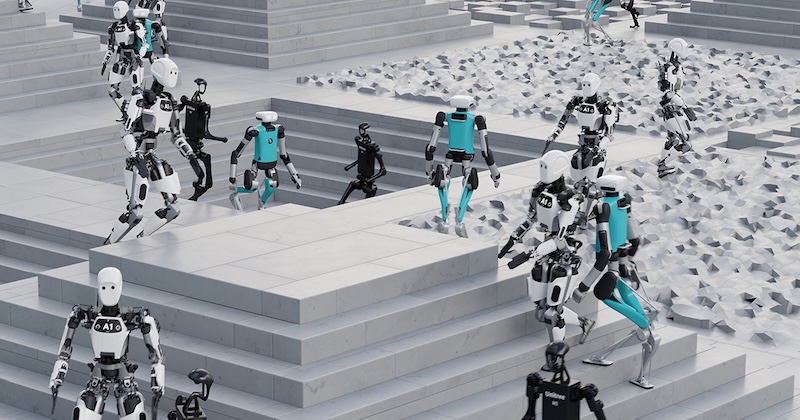
* Genesis AI's launch of Genesis World 1.0 represents a significant advancement in robotics simulation, aiming to streamline the development process for robotic AI systems.
* The platform'
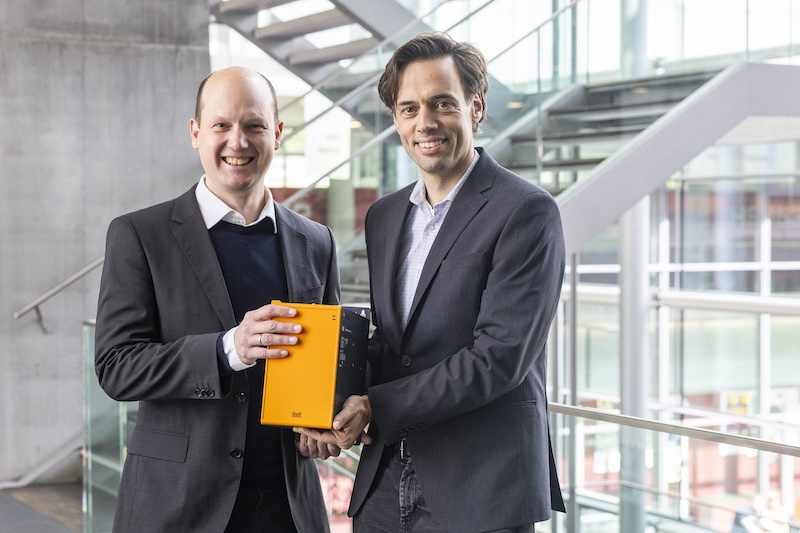
* ABB and Salzburg University of Applied Sciences have patented an AI system aimed at significantly reducing energy consumption in industrial robots.
* This collaboration highlights a growing trend in the automation
* RoboBusiness 2026 has officially opened its call for speakers, emphasizing the event's long-standing role in shaping discussions around commercial robotics.
* This year's event will feature
* Microbot Medical is gaining traction as healthcare stocks experience a notable upswing, reflecting broader market optimism.
* The company's innovative technologies position it favorably within the healthcare sector, attracting
* Doosan Robotics stock surged to the daily ceiling following Nvidia CEO Jensen Huang's remarks on the importance of robotics for Korea, despite no formal deal being announced.
* The
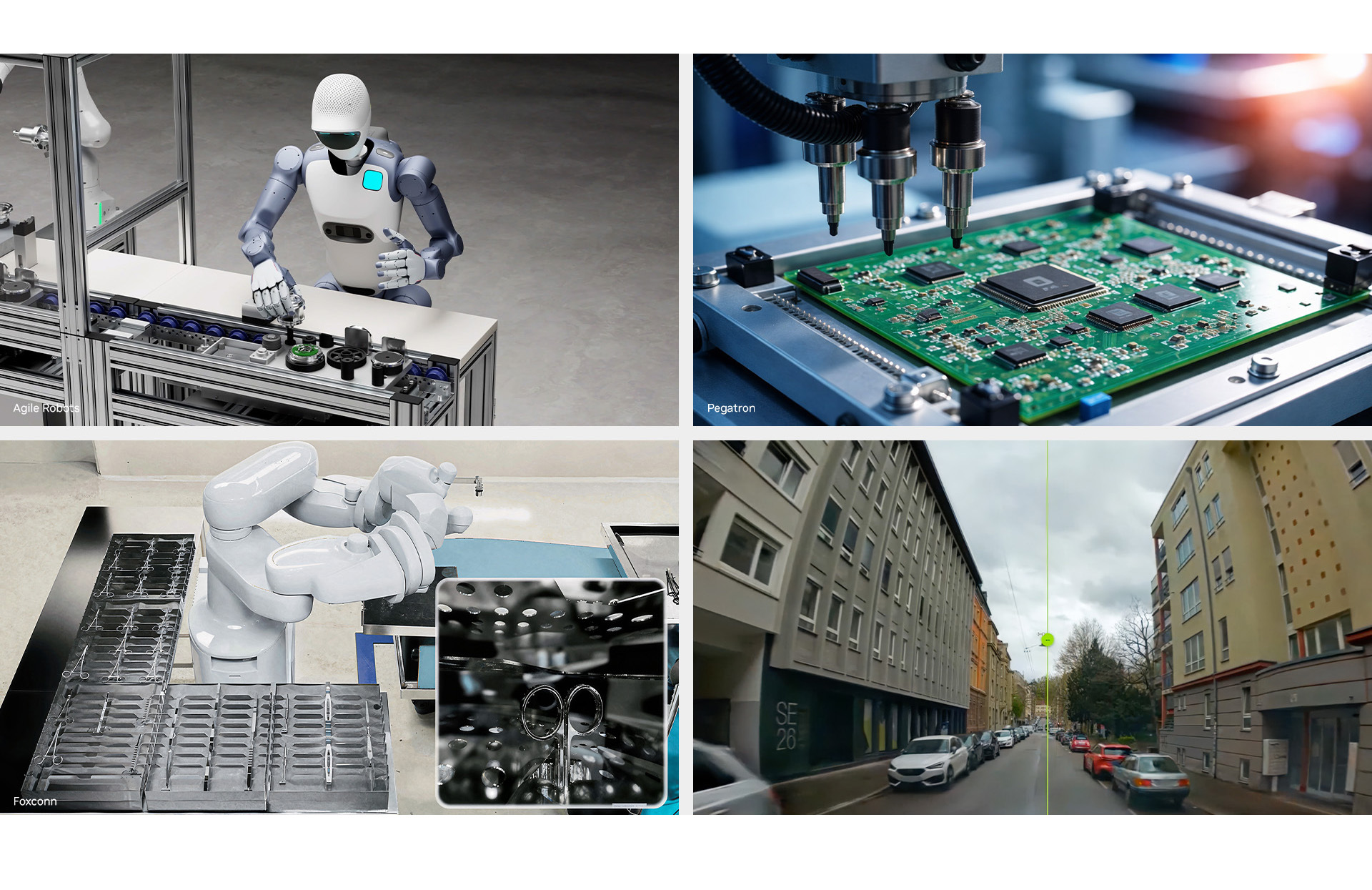
* NVIDIA has unveiled new open-source tools and skills for physical AI development, aimed at enhancing workflows for robotics and autonomous vehicles.
* The introduction of the NVIDIA Agent Toolkit is
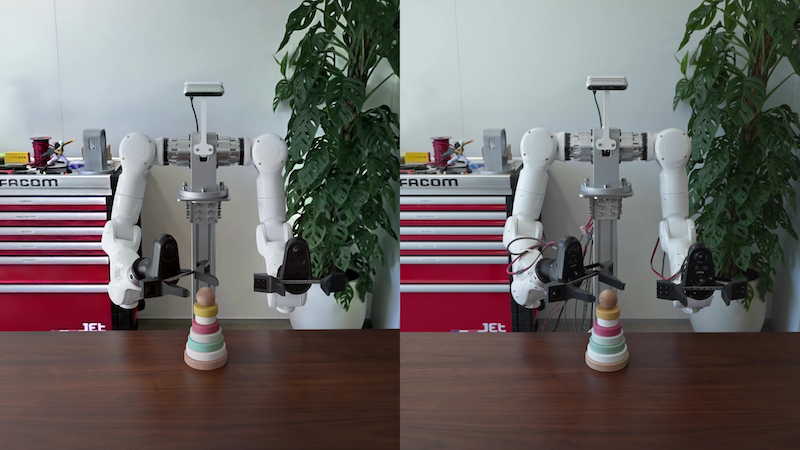
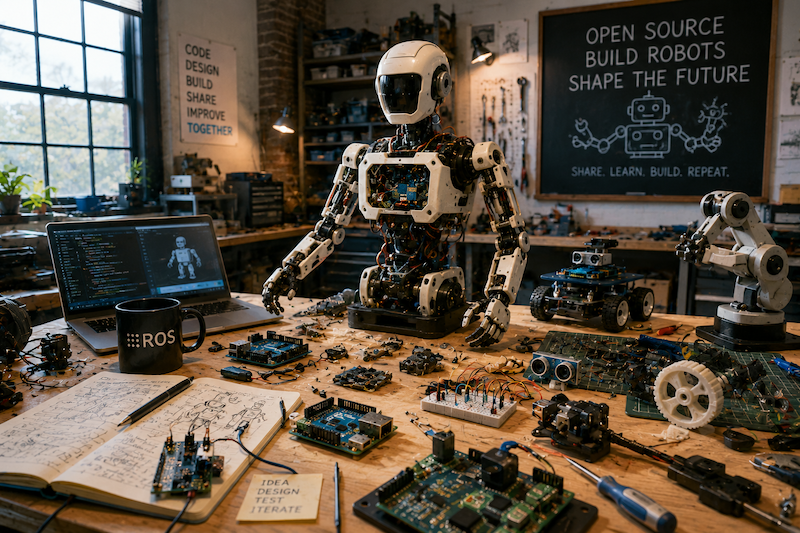
* Open-source hardware is emerging as a critical component in the robotics landscape, complementing the well-established open-source software frameworks.
* This shift towards hardware democratization is poised to lower
* ICRA 2026 is generating excitement as robotics researchers prepare to showcase their latest innovations and reconnect with peers.
* Torc Robotics is leveraging multimodal AI to enhance autonomous vehicle capabilities, highlighting
* Nvidia's CEO Jensen Huang's visit to Korea is anticipated to enhance collaboration in the AI sector, particularly in physical AI applications.
* The visit underscores Nvidia'