
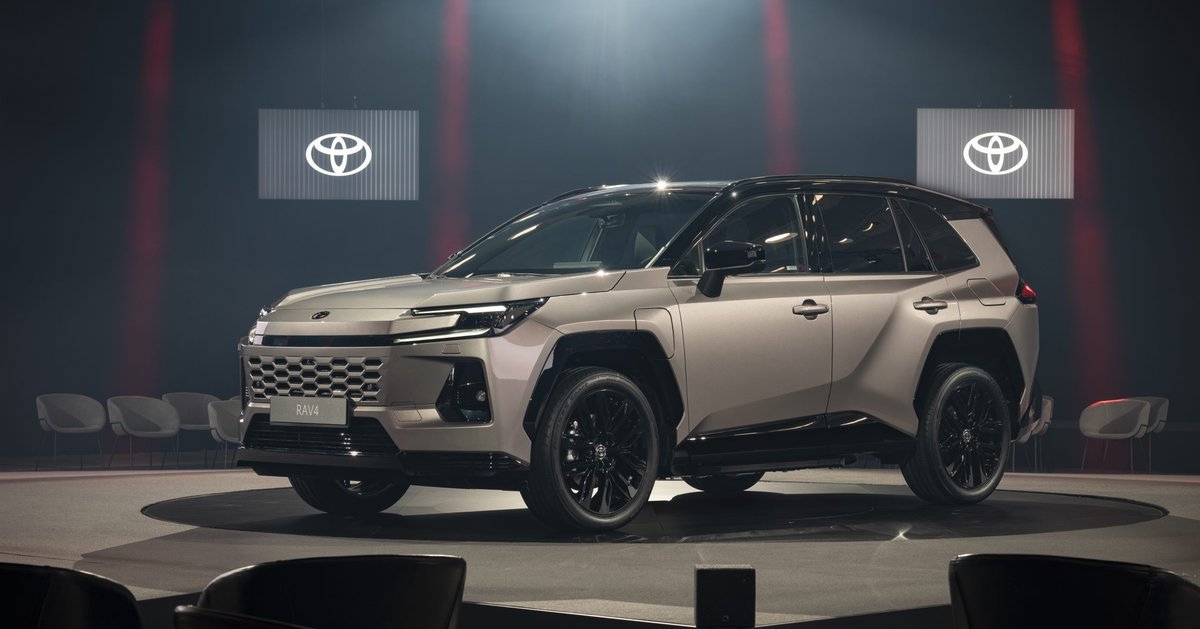
- Toyota's strategy emphasizes a diversified portfolio that includes hybrid and hydrogen-powered vehicles, reflecting a commitment to sustainability and resilience.
- The company's approach signals a recognition of the complexities and vulnerabilities within the current battery supply chain for BEVs.
- This shift may position Toyota advantageously in a market increasingly concerned with supply chain stability and environmental impact.
The urgency of Toyota's pivot towards hybrid and hydrogen technologies underscores a critical moment in the automotive industry, where supply chain vulnerabilities have become glaringly apparent. As electric vehicle (EV) adoption accelerates, the reliance on lithium-ion batteries has raised concerns about resource scarcity, geopolitical risks, and production bottlenecks. By diversifying its offerings, Toyota is not only addressing these challenges but also reinforcing its commitment to sustainability, which is increasingly becoming a non-negotiable expectation from consumers and regulators alike.
This strategic shift is a response to the growing complexities associated with battery supply chains, which have been exacerbated by geopolitical tensions and the rapid increase in demand for electric vehicles. Toyota's exploration of hybrid and hydrogen-powered vehicles allows it to mitigate risks associated with battery production while still contributing to the reduction of carbon emissions. This multifaceted approach positions Toyota as a leader in the transition to cleaner transportation, as it seeks to balance immediate market demands with long-term sustainability goals.
Moreover, Toyota's emphasis on resilience through portfolio diversity reflects a broader industry trend where manufacturers are recognizing that a singular focus on battery electric vehicles (BEVs) may not be the most prudent path forward. The company's investments in hybrid and hydrogen technologies are not merely about expanding product lines; they are strategic moves designed to ensure stability in an unpredictable market. This adaptability could provide Toyota with a competitive edge, particularly as consumers and businesses alike seek reliable and sustainable transportation solutions.
In conclusion, Toyota's proactive approach to diversifying its vehicle portfolio highlights a significant shift in the automotive landscape. By prioritizing hybrid and hydrogen technologies alongside BEVs, the company is addressing immediate supply chain concerns while also aligning with broader sustainability objectives. This strategy not only enhances Toyota's market resilience but also sets a precedent for other manufacturers navigating the complexities of the evolving automotive ecosystem.







