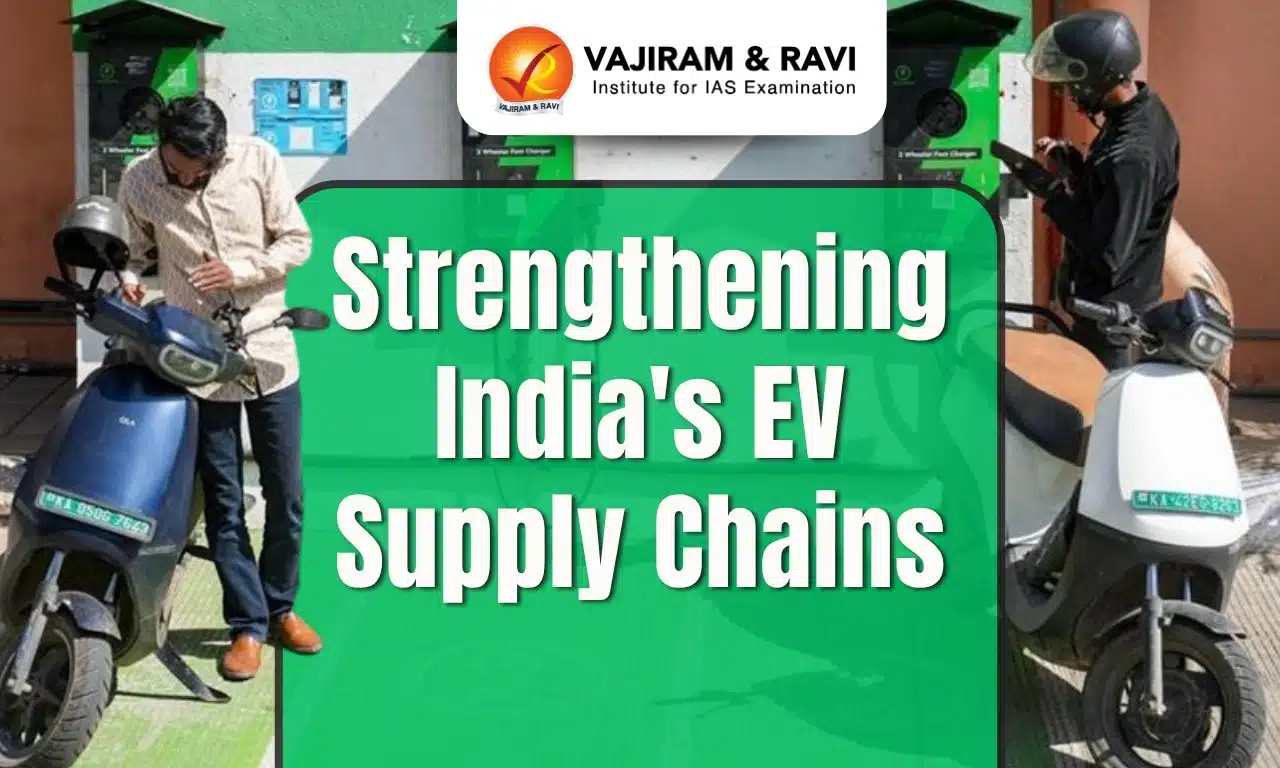
- India's strategy to reduce battery import dependence is crucial for enhancing the resilience of its electric vehicle (EV) ecosystem.
- Diversifying suppliers and localizing battery production are key components of India's approach to strengthen its EV supply chains.
- This initiative aligns with broader goals of energy security and economic self-sufficiency in the face of global supply chain vulnerabilities.
The urgency of strengthening India's EV supply chains cannot be overstated, particularly in light of the growing global demand for electric vehicles and the associated reliance on imported batteries. As the country aims to transition to a more sustainable transportation system, reducing dependence on foreign battery suppliers is not just a matter of economic prudence; it is essential for ensuring energy security and fostering domestic innovation. The current geopolitical climate and supply chain disruptions have highlighted the vulnerabilities inherent in relying on imports, making it imperative for India to take decisive action now.
Recent initiatives have focused on diversifying battery suppliers and ramping up local production capabilities. By investing in domestic manufacturing, India seeks to mitigate risks associated with international supply chain fluctuations. This move is not merely about securing a steady supply of batteries; it also represents a strategic pivot towards building a self-sufficient EV ecosystem that can support local industries and create jobs. The government's commitment to fostering a robust battery manufacturing sector is evident in various policy measures aimed at incentivizing investment and innovation in this space.
Moreover, the emphasis on localization aligns with India's broader economic goals. By reducing import dependence, the country can enhance its trade balance and stimulate economic growth through the development of a homegrown battery industry. This shift is expected to attract significant investments, not only from domestic players but also from international firms looking to capitalize on India's burgeoning EV market. The potential for collaboration between local startups and established global companies could lead to technological advancements and improved manufacturing processes, further solidifying India's position in the global EV supply chain.
Ultimately, the success of this initiative will depend on the ability to create a resilient and adaptable supply chain that can respond to changing market dynamics. As India navigates the complexities of the global EV landscape, the focus on reducing battery import dependence will play a pivotal role in shaping the future of its transportation sector. By prioritizing local production and supplier diversification, India is not only addressing immediate challenges but also laying the groundwork for long-term sustainability and competitiveness in the electric vehicle market.