- South Korea is advancing its military capabilities by launching a study for a sixth-generation fighter jet that emphasizes stealth and advanced propulsion technologies.
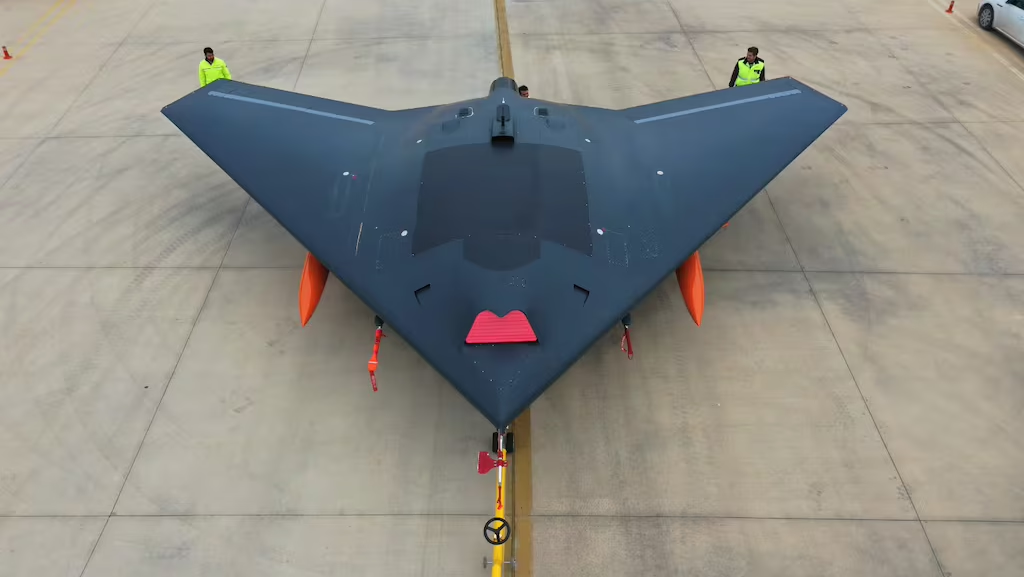
- The fighter jet will feature a tailless design, variable-cycle engines, and an internal weapons bay, aiming for reduced radar detectability across multiple bands.
- This initiative builds on South Korea's existing experience with low-observable aircraft and is part of a broader strategy to enhance its combat-aircraft development capabilities.
The urgency of South Korea's move to develop a sixth-generation fighter jet cannot be overstated, as regional security dynamics continue to evolve. The new study aims to create a tailless stealth aircraft that meets stringent requirements, including advanced propulsion systems and stealth capabilities. This initiative reflects a strategic pivot towards enhancing indigenous defense technologies, ensuring that South Korea remains competitive in an increasingly complex geopolitical landscape.
The study will evaluate two competing design concepts, both of which must incorporate a single-seat, tailless airframe with movable control surfaces. The emphasis on variable-cycle engines is particularly noteworthy; these engines are designed to enable the aircraft to sustain high supersonic speeds without relying on afterburners, thereby enhancing fuel efficiency and operational range. This capability is critical for modern air combat scenarios, where speed and stealth are paramount.
In addition to propulsion, the aircraft's design will include an internal weapons bay and advanced stealth technology, aimed at minimizing radar signatures across L, S, and X bands. This focus on reduced detectability is essential for penetrating advanced air defense systems, which are increasingly prevalent in the region. The involvement of key players such as the Agency for Defense Development, Korea Aerospace Industries, and Korean Air, along with smaller companies and research institutes, indicates a collaborative approach to innovation in defense technology.
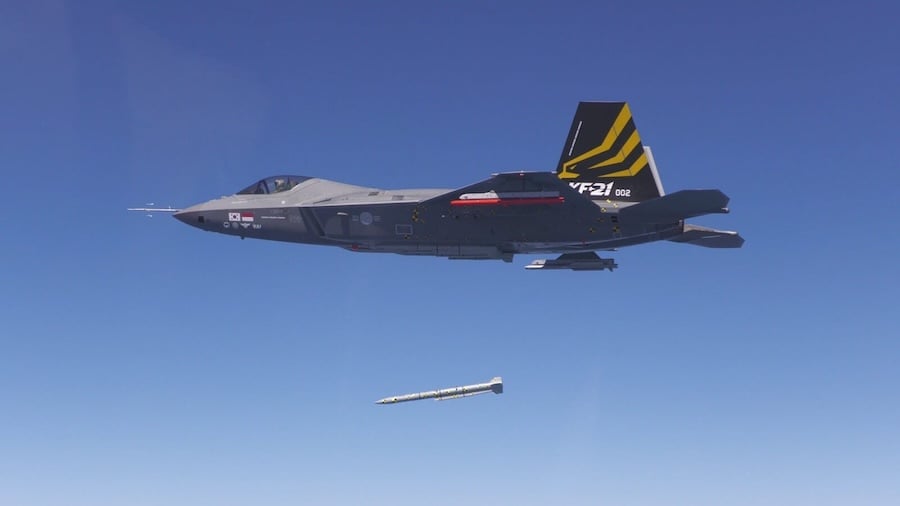
South Korea's experience with low-observable aircraft design, particularly through projects like the KF-21 fighter and the KAORI-X stealth demonstrator, provides a solid foundation for this new initiative. The ongoing development of bridging stealth technologies, supported by a significant investment of 63.6 billion won (approximately $46 million), will further enhance the country's capabilities in radar cross-section reduction and low-observable materials. The outcomes of this concept study will be pivotal in shaping the future of South Korea's combat aircraft, ensuring that the nation can effectively respond to emerging threats while fostering a robust domestic defense industry.