- SK Battery America has reduced its workforce in Georgia by 37%, impacting nearly 1,000 jobs due to Ford's cancellation of the F-150 Lightning.
- This significant job cut underscores the fragility of the domestic EV supply chain, particularly in the context of shifting automaker strategies.
- The move raises questions about the future of SK Battery's operations and its ability to adapt to changing market demands.
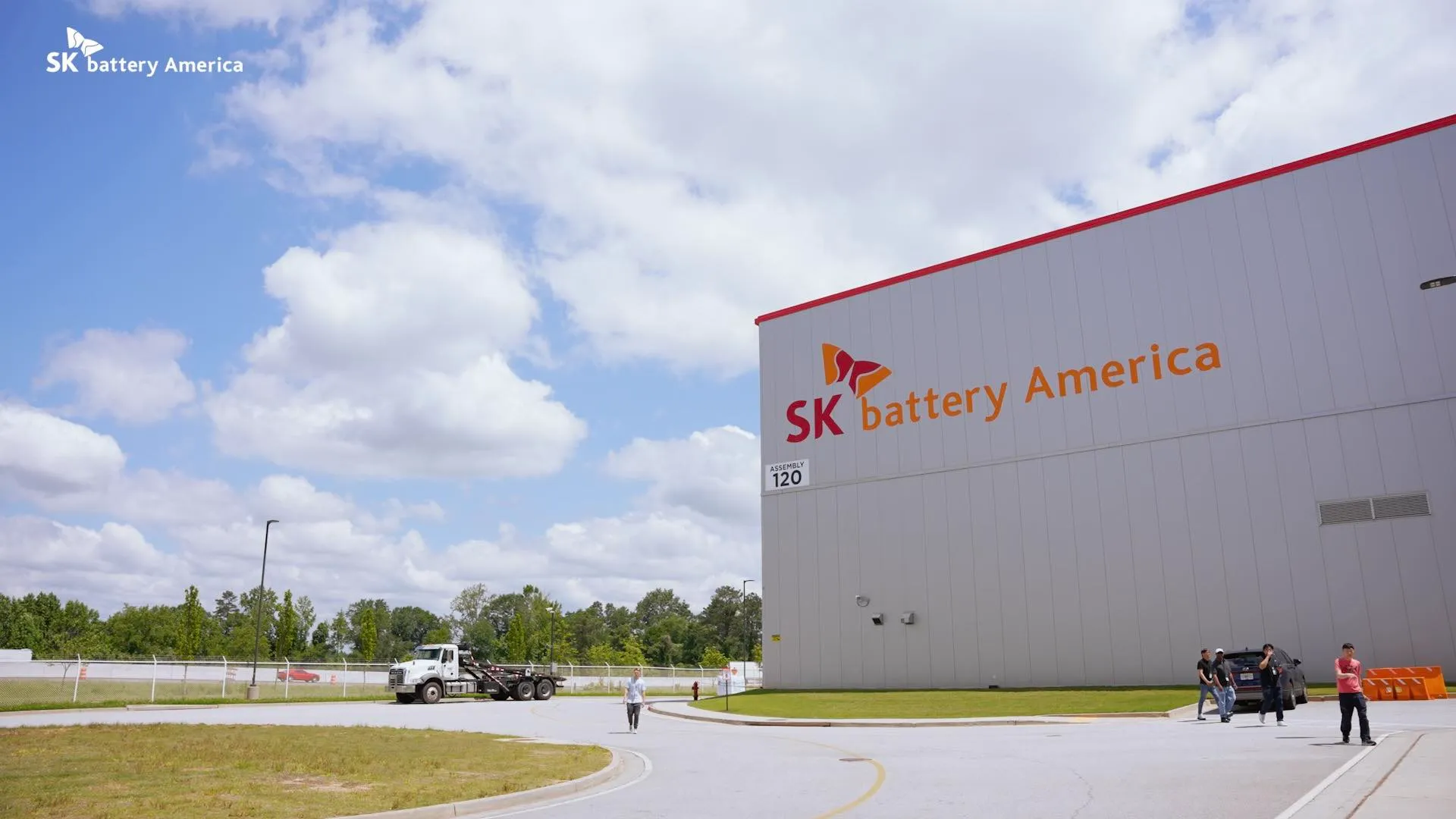
The recent decision by SK Battery America to cut 37% of its workforce at the Georgia plant is a stark reminder of the volatility within the electric vehicle (EV) sector. With nearly 1,000 jobs eliminated following Ford's cancellation of the F-150 Lightning, this development signals a critical juncture for both SK Battery and the broader domestic EV supply chain. The implications of this workforce reduction extend beyond immediate job losses; they highlight the interconnectedness of automaker decisions and battery production capabilities, which are essential for the growth of the EV market.
The job cuts at SK Battery were precipitated by Ford's strategic pivot away from the F-150 Lightning, a move that has sent ripples through the supply chain. As one of the key players in battery production for electric vehicles, SK Battery's reliance on Ford's demand underscores the risks associated with a concentrated customer base. The cancellation not only disrupts SK Battery's production plans but also raises concerns about the sustainability of its operations in Georgia, which was initially positioned as a hub for EV battery manufacturing.
This situation illustrates the fragility of the domestic EV supply chain, which has been under pressure from fluctuating demand and changing consumer preferences. The cancellation of a flagship model like the F-150 Lightning can have cascading effects, leading to significant workforce reductions and potentially stalling investments in new technologies and facilities. As automakers reassess their strategies in response to market dynamics, battery manufacturers like SK Battery must navigate these challenges to remain viable.
Looking ahead, the future of SK Battery's operations in Georgia will depend on its ability to diversify its customer base and adapt to the evolving landscape of the EV market. The company may need to explore partnerships with other automakers or invest in new technologies to mitigate the risks associated with reliance on a single client. As the industry continues to evolve, the ability to pivot and respond to market changes will be crucial for SK Battery and its workforce, which now faces uncertainty in an already competitive environment.