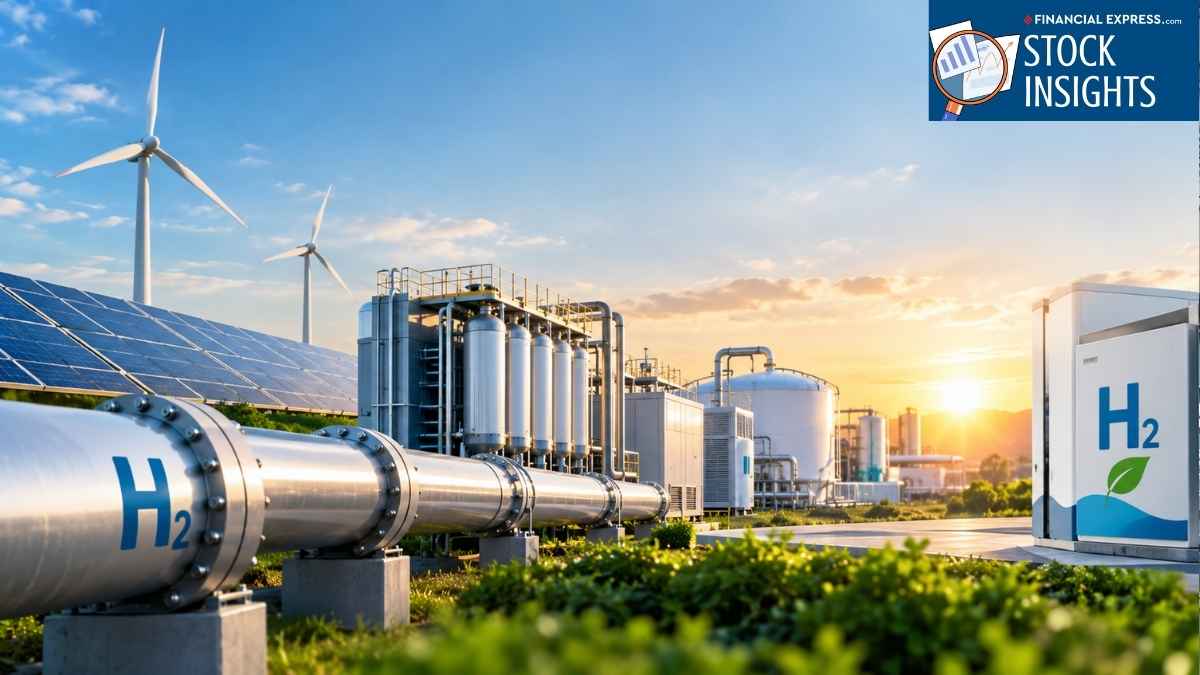
- Scientists have developed a method to convert plastic waste into clean hydrogen fuel using sunlight, addressing both pollution and energy challenges.
- This innovative approach has the potential to transform plastic waste into a valuable resource, contributing to a low-carbon future.
- Although still in the development phase, the implications of this technology could significantly impact waste management and renewable energy sectors.
The urgency of addressing plastic waste and energy sustainability has never been more critical, as global pollution levels continue to rise alongside the demand for clean energy solutions. The recent breakthrough by scientists who have harnessed sunlight to convert plastic waste into hydrogen fuel presents a dual solution to these pressing issues. This innovative process not only aims to mitigate the environmental impact of plastic pollution but also seeks to provide a renewable energy source, positioning itself as a pivotal development in the transition to a low-carbon economy.
This method leverages solar energy to facilitate the conversion of plastic waste into hydrogen, a clean fuel that can be utilized in various applications, including transportation and power generation. The significance of this technology lies in its potential to transform an environmental liability into a valuable asset. By turning trash into fuel, this approach could redefine waste management strategies and promote a circular economy, where materials are continuously repurposed rather than discarded.
While the technology is still in its developmental stages, the implications are profound. If successfully scaled, it could alleviate some of the burdens associated with plastic waste disposal, which currently poses a significant challenge for municipalities and environmental agencies worldwide. Moreover, the ability to produce hydrogen fuel from waste could enhance energy security and reduce reliance on fossil fuels, aligning with global efforts to combat climate change.
The pathway to commercialization will require further research and investment, but the initial findings are promising. As the world grapples with the dual crises of plastic pollution and energy demand, this breakthrough could serve as a catalyst for innovation in both waste management and renewable energy sectors. The potential to create a sustainable and economically viable solution from plastic waste underscores the importance of continued investment in clean technology research and development.