- The coalition opposing Pax Silica highlights concerns over environmental degradation and the exploitation of indigenous lands in the Philippines.
- Critics argue that the deal perpetuates a cycle of resource extraction that benefits foreign corporations while failing to advance local industrialization.
- The military implications of the Economic Security Zone raise questions about the true nature of the partnership between the US and the Philippines.
The urgency surrounding the Pax Silica initiative is palpable, as it represents a critical juncture for the Philippines, a nation rich in mineral resources yet historically vulnerable to foreign exploitation. The deal, framed as a means to bolster economic partnerships and national security, has drawn sharp criticism from environmental and social justice advocates who argue that it risks deepening the country’s dependency on foreign interests while neglecting the local population's needs. The coalition, including Kalikasan PNE and AGHAM, underscores the potential for environmental harm and social displacement, particularly among indigenous communities, as mining permits increasingly encroach on ancestral lands.
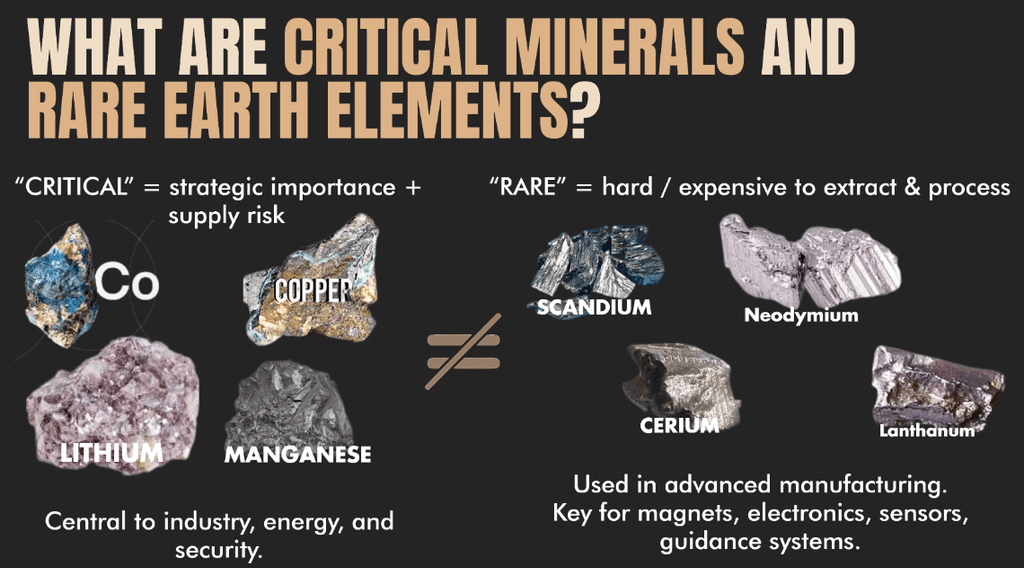
The Philippines ranks impressively in global mineral deposits, with significant reserves of nickel, copper, and rare earth metals that are essential for high-tech manufacturing. However, the benefits of these resources have not translated into local economic advancement. Critics like Ana Celestial argue that the promises of technology transfer and capacity building have not materialized, leaving the mining sector largely export-oriented and reliant on foreign corporations. This dynamic perpetuates a system where the extraction of resources does not contribute to national industrialization but rather reinforces a cycle of dependency that prioritizes foreign demand over local development.
Celestial's assertion that the extraction process under Pax Silica could lead to environmental degradation is particularly concerning. The coalition warns that the increased demand for mining could result in the destruction of watersheds and exacerbate the risks faced by indigenous populations. With 72 to 75% of mining permit applications targeting ancestral domains, the potential for mass displacement and militarization of these lands raises significant ethical and social questions about the deal's implications for local communities.
The military dimensions of Pax Silica, particularly the establishment of a 4,000-acre Economic Security Zone in New Clark City, further complicate the narrative. This zone, positioned near former US military bases and linked to ongoing military exercises, suggests that the initiative may serve broader geopolitical objectives beyond mere economic cooperation. The coalition's concerns about labor protections and the operational framework of the ESZ under US common law highlight the potential for exploitation of Filipino workers, raising alarms about the true nature of this partnership.
As the debate over Pax Silica unfolds, it is clear that the stakes are high. The initiative could reshape the Philippines' economic landscape, but the risks associated with environmental degradation, social displacement, and foreign dependency must be critically examined. The coalition's opposition serves as a crucial reminder that the path to economic development should not come at the expense of the environment or the rights of local communities.