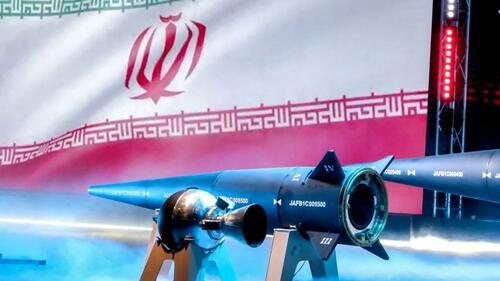
- Russia's alleged assistance to Iran in developing supersonic cruise missiles represents a significant escalation in military collaboration between the two nations.
- The clandestine program, reportedly ongoing since the onset of the US-Iran conflict, could provide Iran with a strategic weapon capable of threatening US naval forces.
- This development raises questions about the geopolitical implications of advanced military technology transfers and the potential for increased tensions in the region.
The recent allegations of Russia aiding Iran in the development of supersonic cruise missiles underscore a critical moment in the evolving dynamics of military power in the Middle East. As the conflict between the US and Iran continues to simmer, this partnership could fundamentally alter the balance of power, particularly concerning naval engagements. The implications of such advanced weaponry could extend beyond regional skirmishes, potentially threatening US naval assets and altering strategic calculations for both sides.
The Financial Times investigation reveals that Russia's state arms exporter, Rosoboronexport, is at the forefront of this clandestine initiative, codenamed "C430L." This program, which reportedly involves the US-sanctioned NPO Mashinostroyenia, has seen increased activity with officials frequently traveling to Iran throughout 2023. The timeline suggests a sustained commitment to this military collaboration, raising concerns about the potential for these missiles to be operational by mid-2026, coinciding with ongoing hostilities.
The development of a missile capable of flying at multiple times the speed of sound, described as an "aircraft killer," poses a direct threat to US Navy vessels, as highlighted by former CIA analyst Jim Lamson. This shift in Iran's military capabilities could embolden Tehran, providing it with a qualitative leap in its strategic arsenal that has long been sought after. The transfer of such sensitive technology indicates a high level of political clearance within Russia, suggesting that this initiative is not merely a tactical maneuver but part of a broader strategic alignment between the two nations.
However, skepticism remains regarding the motivations behind these allegations. While there is a possibility that this could be a propaganda effort aimed at increasing Western pressure on both Russia and Iran, the reality of their deepening military ties cannot be overlooked. The ongoing drone transfers and other military collaborations signal a robust partnership that could reshape regional security dynamics. As Russia seeks to maintain its influence in the Middle East, particularly following its military engagements in Syria, the Kremlin's support for Iran may be viewed as a counterbalance to US interests in the region.