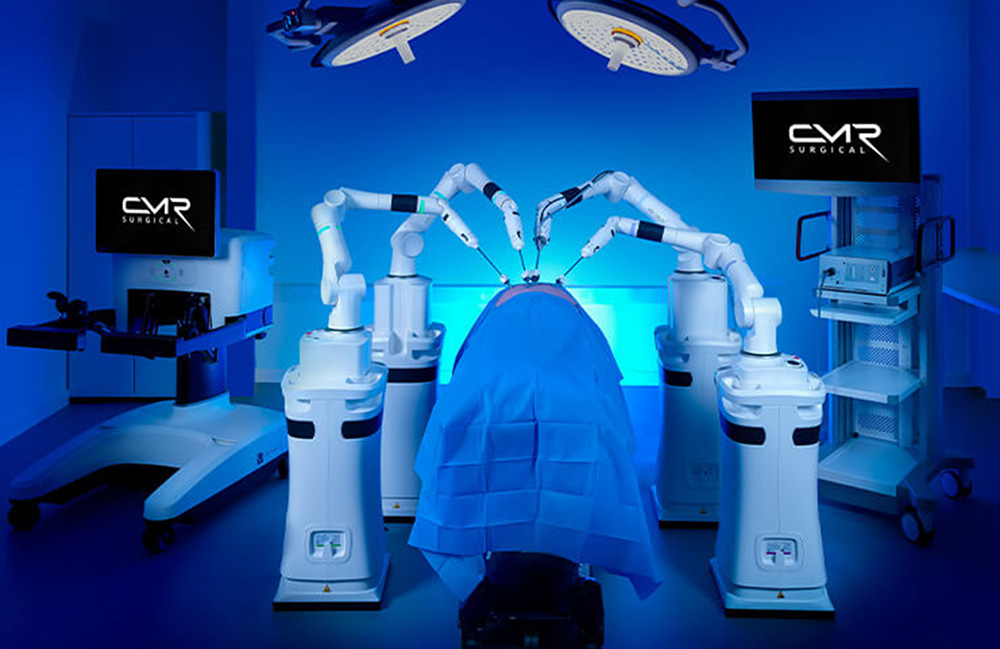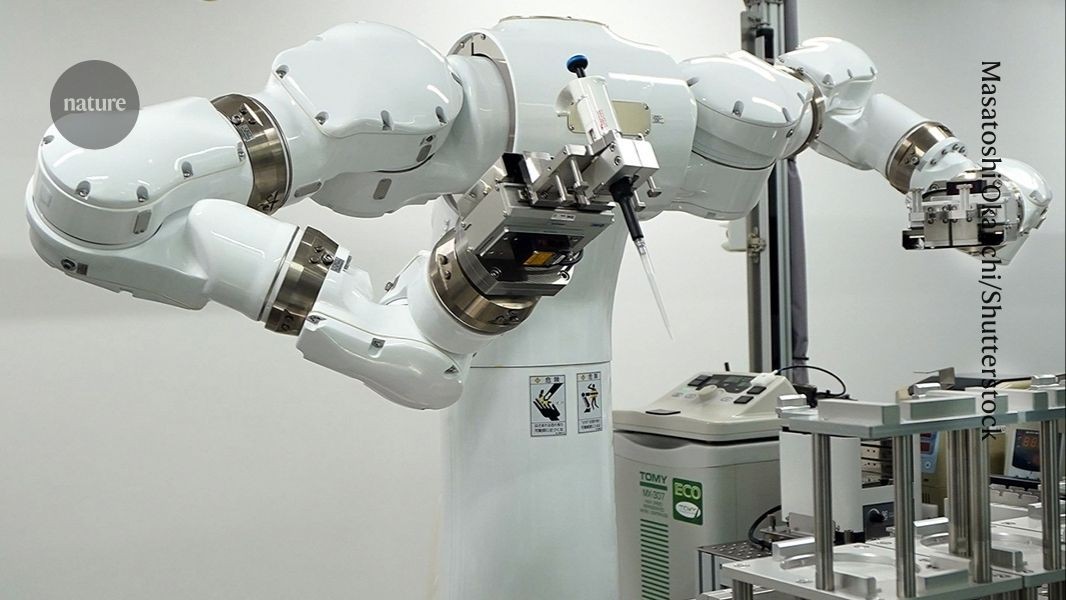
- Japan is advancing towards a future where thousands of robots will autonomously conduct scientific experiments, fundamentally altering research methodologies.
- This initiative reflects a growing trend in automation within laboratories, aiming to enhance efficiency and precision in scientific work.
- The implications of such technological integration could lead to significant shifts in the roles of human researchers and the overall landscape of scientific inquiry.
The push for robotic automation in laboratories is gaining momentum, particularly in Japan, where researchers envision a facility populated by thousands of robots capable of conducting experiments independently by 2040. This ambitious goal highlights an urgent need to rethink traditional research practices, as the integration of robotics promises to streamline processes, reduce human error, and enhance reproducibility in scientific experiments. The implications of this shift are profound, as it could redefine not only how experiments are conducted but also the very nature of scientific inquiry itself.
Recent developments indicate that the automation of laboratories is not merely a theoretical concept but a tangible reality that is already beginning to reshape the research landscape. By leveraging advanced robotics and artificial intelligence, scientists can delegate repetitive and time-consuming tasks to machines, allowing them to focus on more complex problem-solving and creative aspects of research. This transition is driven by a combination of technological advancements and the increasing demand for faster, more efficient research outcomes, particularly in fields such as pharmaceuticals and materials science.
The implications of this robotic revolution extend beyond mere efficiency gains. As robots take on more responsibilities within laboratories, the role of human researchers may evolve significantly. While some may fear job displacement, others argue that this shift could lead to a new era of collaboration between humans and machines, where researchers can leverage robotic capabilities to enhance their own work. This partnership could foster innovation and accelerate discoveries, as scientists are freed from mundane tasks and can dedicate their efforts to higher-level thinking and experimentation.
Looking ahead, the establishment of fully automated laboratories raises important questions about the future of scientific research. As robots become more integrated into the experimental process, considerations around ethics, oversight, and accountability will become increasingly critical. Ensuring that these robotic systems operate transparently and responsibly will be essential to maintaining public trust in scientific research. Ultimately, the trajectory of this robotic integration will not only influence the efficiency of scientific work but also shape the very foundations of how knowledge is generated and validated in the years to come.