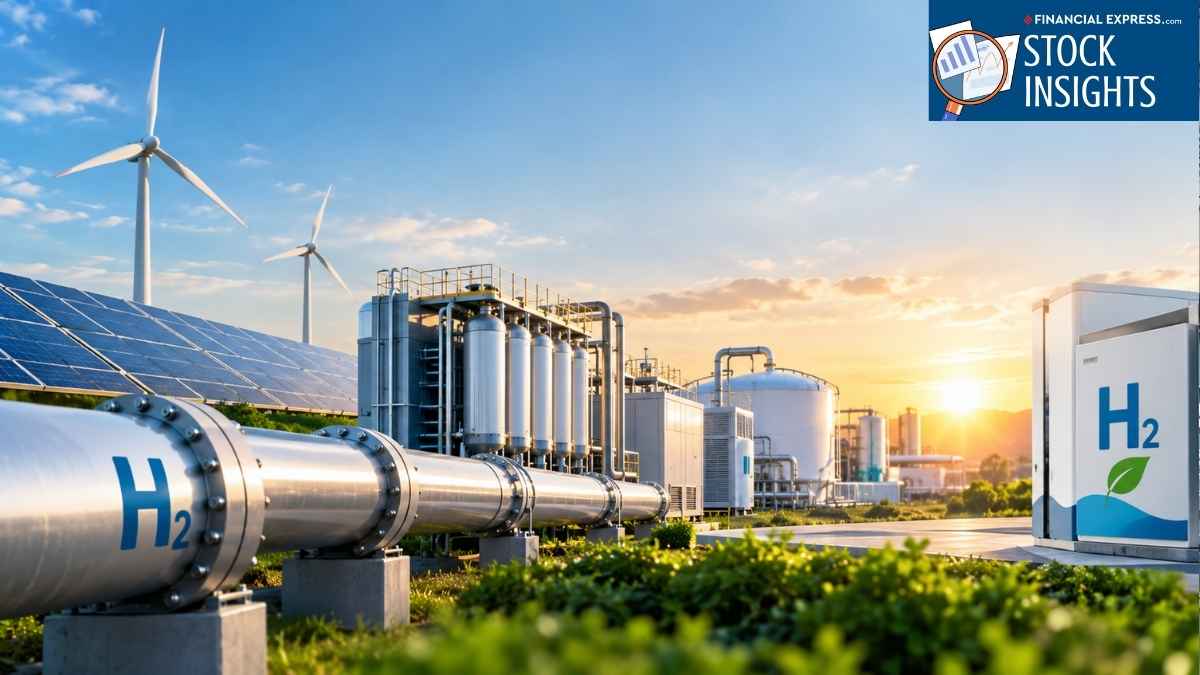
- Renewable energy companies are experiencing growth, particularly in solar and wind sectors, which is a focal point during Earth Week.
- This growth, while beneficial for energy transition, poses challenges to local environments that must be addressed.
- Understanding the balance between renewable energy expansion and environmental impact is crucial for sustainable development.
The urgency surrounding renewable energy growth is particularly pronounced as Earth Week highlights the pressing need for sustainable practices. As companies in the solar and wind sectors strive to expand their market presence, the implications of this growth extend beyond mere energy production; they significantly impact local ecosystems. The challenge lies in ensuring that the benefits of renewable energy do not come at the expense of the environments they aim to protect. This duality of purpose necessitates a careful examination of how these energy sources are integrated into existing landscapes.
Recent reports indicate that while the push for renewable energy is gaining momentum, it is not without its complications. The expansion of solar and wind energy installations can disrupt local habitats, alter land use, and affect biodiversity. As these companies seek to capitalize on the increasing demand for clean energy, they must also navigate the environmental consequences of their operations. This situation underscores the importance of developing strategies that mitigate negative impacts while promoting renewable energy growth.
The intersection of renewable energy development and environmental stewardship is critical for achieving long-term sustainability goals. Stakeholders, including policymakers, energy companies, and local communities, must engage in dialogue to find solutions that balance energy needs with ecological preservation. This collaboration is essential to ensure that the transition to renewable energy is not only effective in reducing carbon emissions but also responsible in its approach to land and resource management.
As the renewable energy sector continues to evolve, the focus on environmental impact will likely intensify. Companies will need to adopt innovative practices that prioritize sustainability, such as utilizing previously disturbed lands for new projects or implementing advanced technologies that minimize ecological disruption. The future of renewable energy hinges on the industry's ability to harmonize growth with environmental integrity, making it imperative for all parties involved to remain vigilant and proactive in addressing these challenges.