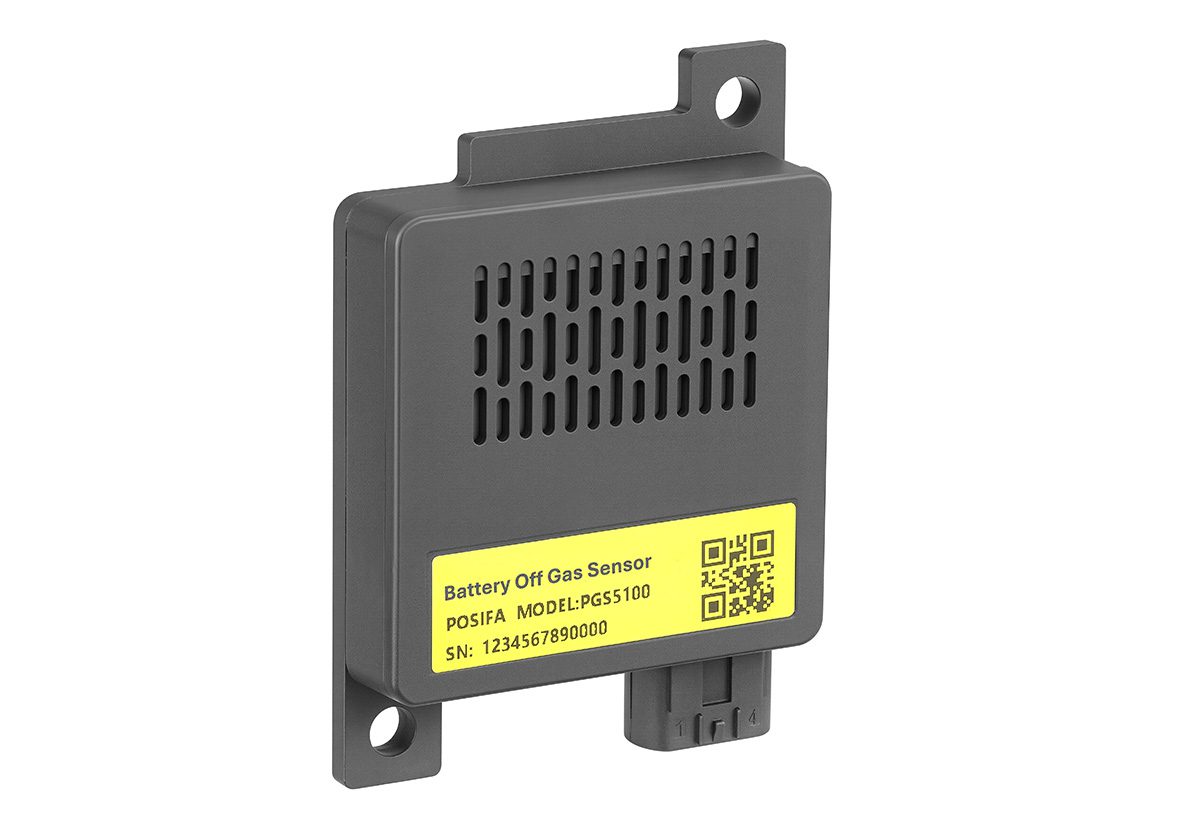
- Posifa Technologies has launched the PGS5100 Series, a new line of MEMS-based thermal conductivity hydrogen sensors that significantly enhance early-warning detection for EV battery packs.
- The sensors provide a rapid 100 ms response time and a service life exceeding 15 years, addressing critical safety concerns associated with thermal events in electric vehicles.
- By detecting hydrogen during the initial off-gas stage of a thermal event, the PGS5100 allows for timely mitigation actions, potentially improving occupant safety and system reliability.
The introduction of Posifa Technologies' PGS5100 Series sensors comes at a pivotal moment for the electric vehicle (EV) industry, where safety and reliability are paramount. As EV adoption accelerates, the risk of thermal events—often characterized by battery overheating and potential ignition—has raised significant concerns among manufacturers and consumers alike. The PGS5100 sensors, with their rapid response capabilities and extended service life, represent a crucial advancement in mitigating these risks, thereby enhancing overall vehicle safety and consumer confidence in EV technology.
The PGS5100 sensors are designed to detect hydrogen concentrations during the early stages of thermal events, specifically in the off-gas phase that precedes ignition. This capability is critical, as it provides control systems with the necessary time to initiate safety protocols and alerts occupants to potential danger. The sensors operate by measuring changes in the thermal conductivity of the gas mixture, a method that is both effective and reliable in the challenging environments of battery packs and fuel cell systems. Furthermore, the integration of humidity and barometric pressure sensors allows for accurate readings across varying environmental conditions, addressing a common challenge faced by traditional catalytic sensors.
With a response time of just 100 ms and a warm-up period of 200 ms, the PGS5100 sensors are ten times faster than their predecessor, the PGS4100 series. This rapid detection capability is essential for timely intervention during a thermal runaway event, which is not always instantaneous. As noted by Posifa's President and CEO, Peng Tu, the ability to detect hydrogen signals early can significantly improve the effectiveness of mitigation strategies, giving OEMs and occupants crucial time to respond. The sensors are also designed to withstand the rigors of automotive environments, featuring condensation resistance and non-reactivity to contaminants, which are common failure points for existing sensor technologies.
Currently, samples and production quantities of the PGS5100 are available, indicating that Posifa is poised to meet the growing demand for enhanced safety solutions in the EV market. As manufacturers increasingly prioritize safety features in their designs, the introduction of such advanced sensor technology could become a standard requirement, potentially influencing future regulatory standards and consumer expectations. The PGS5100 not only addresses immediate safety concerns but also positions Posifa as a key player in the evolving landscape of EV technology, where innovation and reliability are critical for success.