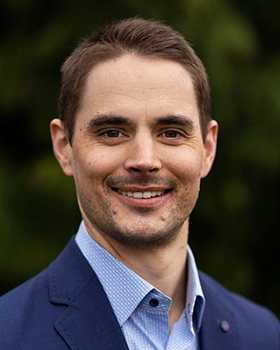
- Park Hong-keun emphasizes the necessity of a supplementary budget aimed specifically at vulnerable sectors, highlighting the urgency of targeted financial support.
- The proposal reflects a strategic response to ongoing economic challenges, particularly for those most affected by current conditions.
- This initiative signals a potential shift in fiscal policy that prioritizes social welfare and economic stability in the face of adversity.
The call for a supplementary budget by Park Hong-keun, the nominee for Minister of Planning and Budget, underscores a critical moment in economic policy, particularly as vulnerable sectors continue to face significant challenges. His assertion that a well-targeted budget is essential reflects an acute awareness of the socio-economic landscape, where many individuals and businesses are struggling to maintain stability. This urgency is not merely a reaction to immediate pressures but a proactive approach to ensure that fiscal measures align with the needs of those most impacted by economic fluctuations.
In his written responses to the National Assembly’s Strategy and Finance Committee, Park articulated the need for a supplementary budget that specifically addresses the vulnerabilities of certain sectors. This targeted approach suggests a nuanced understanding of economic dynamics, recognizing that blanket solutions may not suffice in addressing the diverse challenges faced by different groups. By advocating for a budget that is finely tuned to the needs of the most affected, Park is positioning the government to respond effectively to ongoing economic pressures, which could include rising costs, job insecurity, and other financial strains.
The implications of this proposed supplementary budget extend beyond immediate financial relief; it signals a potential shift in the government's fiscal policy priorities. By focusing on vulnerable sectors, the administration may be signaling a commitment to social welfare and economic equity, which could foster greater public trust and stability. This approach may also encourage other stakeholders, including private sector actors and civil society, to align their efforts with government initiatives, creating a more cohesive response to economic challenges.
Ultimately, Park's advocacy for a supplementary budget is not just about addressing current economic hardships; it is about laying the groundwork for a more resilient economic framework. By prioritizing targeted support, the government can mitigate the adverse effects of economic downturns and foster a more inclusive recovery. As discussions around this budget unfold, the focus will likely remain on how effectively these measures can be implemented and whether they will yield the desired outcomes for those who need it most.