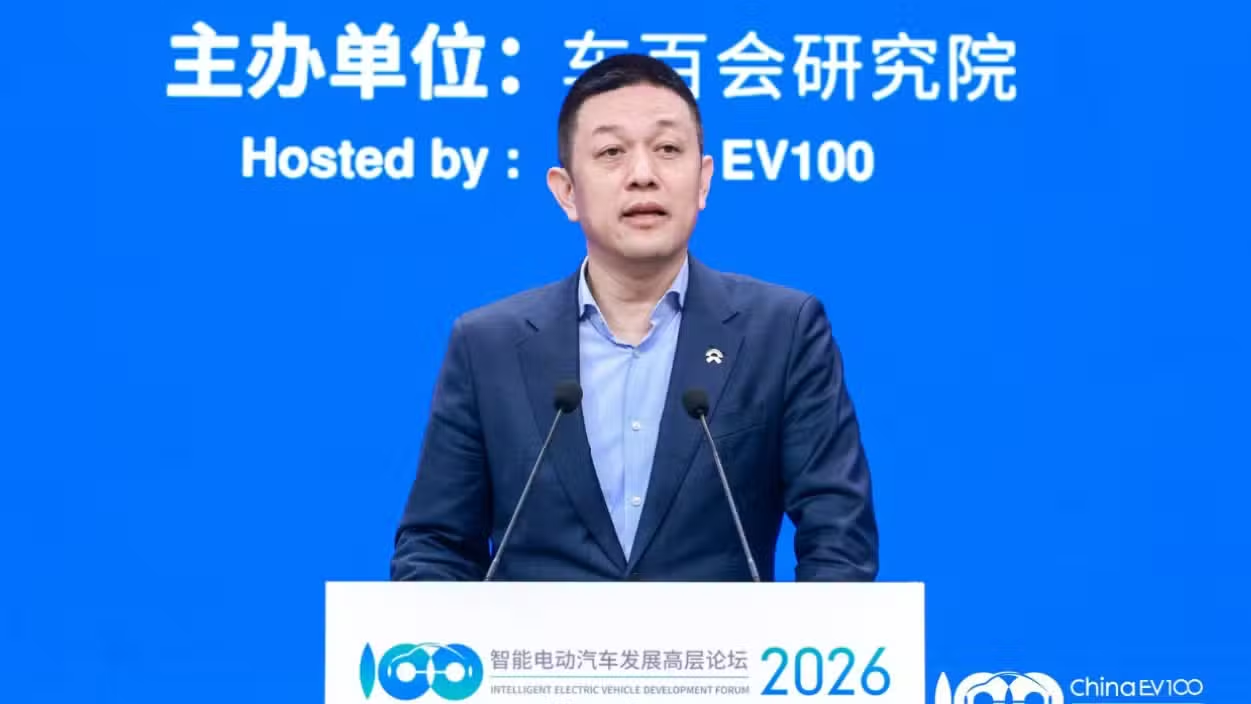
- William Li advocates for the standardization of battery cells and a reduction in chip varieties to significantly cut costs in the electric vehicle (EV) supply chain.
- This initiative could lead to over 100 billion yuan in savings across the industry, addressing inefficiencies that have plagued EV production.
- The call for standardization highlights the urgent need for collaboration among manufacturers to streamline processes and reduce waste in the rapidly evolving EV market.
The urgency of William Li's call for standardization in the electric vehicle supply chain cannot be overstated, especially as the industry grapples with rising costs and inefficiencies. By proposing a unified approach to battery cells and a reduction in the variety of chips used, Li aims to unlock substantial cost savings that could benefit manufacturers and consumers alike. This move is particularly critical as the EV market continues to expand, necessitating a more streamlined and efficient production process to meet growing demand without compromising quality or performance.
Li's proposal suggests that standardizing battery cells could lead to significant economies of scale, allowing manufacturers to reduce production costs and improve supply chain logistics. The current landscape, characterized by a multitude of battery designs and chip varieties, contributes to waste and inefficiency, ultimately driving up costs for both producers and consumers. By simplifying these components, the industry could not only save over 100 billion yuan but also enhance the overall sustainability of EV production, aligning with broader environmental goals.
The implications of this standardization extend beyond mere cost savings; they signal a potential shift in how manufacturers collaborate within the EV ecosystem. As companies face increasing pressure to innovate while managing expenses, a unified approach could foster greater cooperation among stakeholders, leading to shared best practices and more efficient resource allocation. This collaborative spirit is essential for addressing the challenges posed by supply chain disruptions and fluctuating material costs, which have become all too common in recent years.
Ultimately, Li's advocacy for standardization reflects a growing recognition that the future of the EV industry hinges on its ability to adapt and streamline operations. As competition intensifies and consumer expectations evolve, manufacturers must prioritize efficiency and sustainability. By embracing standardization, the industry can not only reduce waste but also position itself for long-term success in a rapidly changing market landscape.