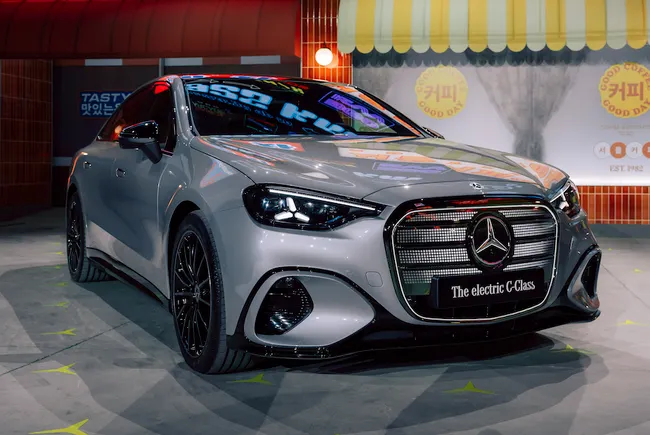
- Mercedes-Benz has secured a multi-year supply agreement with Samsung SDI for EV batteries, signaling a strategic move to bolster its electric vehicle lineup.
- The partnership focuses on nickel-manganese-cobalt batteries, which will be utilized in upcoming compact and mid-size electric SUVs and coupes.
- This deal underscores the increasing importance of reliable battery supply chains in the competitive EV market, as automakers race to meet growing consumer demand for electric vehicles.
The urgency of securing reliable battery supplies has never been more pronounced in the automotive industry, particularly as the shift towards electric vehicles accelerates. Mercedes-Benz's recent agreement with Samsung SDI for a multi-year supply of nickel-manganese-cobalt batteries is a clear indication of the automaker's commitment to expanding its electric vehicle offerings. This strategic partnership not only enhances Mercedes-Benz's production capabilities but also positions the company to better compete in a rapidly evolving market where consumer demand for electric SUVs and coupes is on the rise.
The deal is particularly significant as it focuses on the production of batteries that will power future compact and mid-size electric models. By opting for nickel-manganese-cobalt chemistry, Mercedes-Benz is aligning itself with a battery technology known for its balance of energy density, thermal stability, and cost-effectiveness. This choice reflects a broader industry trend where automakers are increasingly prioritizing battery performance and safety, essential factors for consumer acceptance and regulatory compliance in the EV sector.
Moreover, this partnership highlights the critical role of supply chain management in the electric vehicle landscape. As competition intensifies, automakers must ensure that they have access to high-quality battery supplies to meet production targets and consumer expectations. The collaboration with Samsung SDI not only secures a vital component for Mercedes-Benz's EV strategy but also signals to the market that the company is proactively addressing potential supply chain vulnerabilities that could hinder its growth in the EV segment.
In conclusion, the multi-year supply agreement with Samsung SDI represents a pivotal step for Mercedes-Benz as it navigates the complexities of the electric vehicle market. By investing in robust battery supply chains and focusing on advanced battery technologies, the automaker is positioning itself to capitalize on the burgeoning demand for electric vehicles. This move not only reinforces Mercedes-Benz's commitment to sustainability but also enhances its competitive edge in a market that is increasingly defined by innovation and consumer preference for electric mobility.